
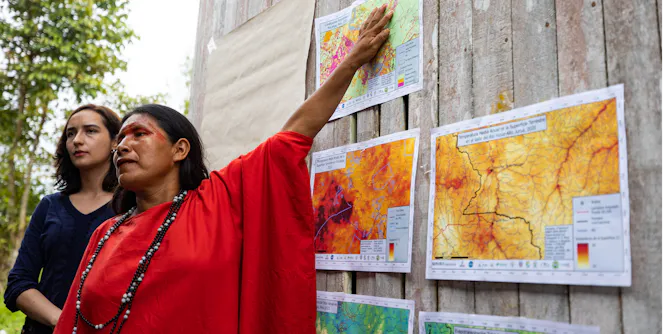
Estradas ilegais trouxeram desmatamento, fogo e outros danos ambientais para a Amazônia. Os resultados do segundo turno presidencial de 2022 podem ter um grande impacto no futuro.
Articles on Indigenous land
Displaying 21 - 40 of 72 articles
Native Hawaiians see Mauna Kea mountain as sacred. Scientists use its summit for research. A new policy called co-management may help resolve this land conflict and similar ones across the US.
To fully implement the UN Declaration on the Rights of Indigenous Peoples, Canada must engage in genuine and inclusive law reform.
Militias mete out violence far from the centres of power – but their dirty work is politically useful.
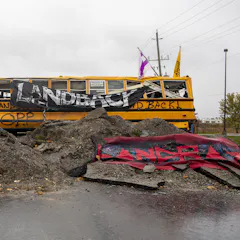
Settler Canadians have a responsibility to build respectful, reciprocal relationships with Indigenous nations on our shared geographic space. This relationship starts with land restitution.

Traditional ecological knowledge, or TEK, can encompass science, medicine, ecology, religion and culture – and help protect the environment.
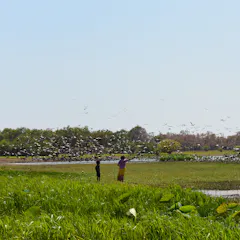
The Kakadu region has gone through immense transformation throughout history. How can archaeological food scraps tell us about how the First Australians adapted?
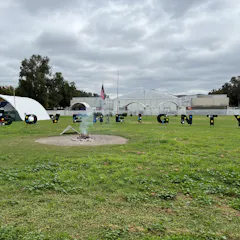
Plus, new research into how the COVID-19 pandemic is affecting the lives of young people born into poverty around the world.
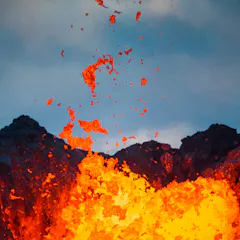
Volcanoes might seem like nature’s incinerators, but using them to burn up trash would be dangerous and disrespectful to indigenous people who view them as sacred.
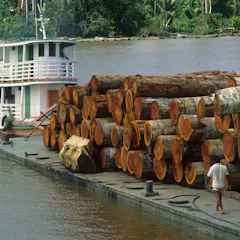
New study compared sites with similar distances from cities and population densities.
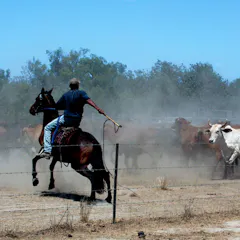
The agricultural workforce is changing but a worryingly unsophisticated understanding of workforce diversity lingers in the sector – especially in terms of Indigenous involvement in agriculture.
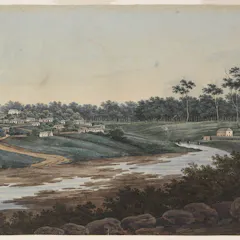
A review of studies of Parramatta demonstrates an extensive deep-time archive of Indigenous activity extending over 14,000 years.
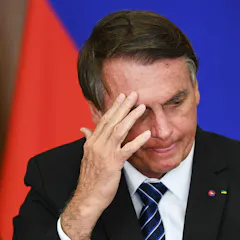
More than 600,000 Brazilians have died of COVID-19 since the beginning of the pandemic. A new report says the policies of President Jair Bolsonaro are responsible for around half.
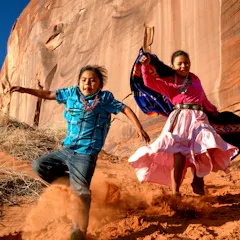
A growing number of states are recognizing Indigenous Peoples Day on what has traditionally been Columbus Day. An education scholar weighs in on what this means for America’s schools.

Aboriginal people view so-called wilderness as sick, neglected land. This runs counter to the view of wilderness as pristine and healthy, which underpins non-Indigenous conservation efforts.
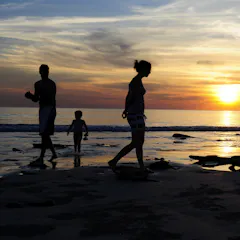
Walking in the footsteps of First Nations peoples provides an alternative to overseas travel and an opportunity to reflect.
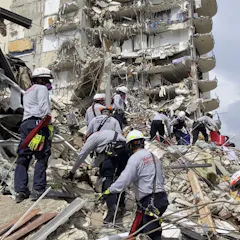
The Miami apartment collapse is a grim reminder of why engineering matters, and why comprehensive education in ethics should be embedded in the training of engineers.
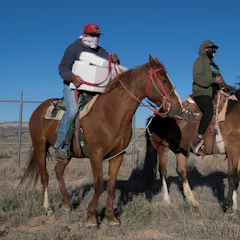
Indigenous people in the US have high rates of food insecurity and dietary-related health problems. Any attempts to address the problem must start with land justice, argues a scholar of Native health and food.

One-fifth of Earth’s land could be restored to wilderness by reintroducing animals and improving management.
Indigenous land defenders: Don’t Call Me Resilient EP 6 transcript.
Top contributors
-

PhD student of law, Universidade do Estado do Rio de Janeiro (UERJ)
-
Co-Director, Institute for Genocide and Mass Atrocity Prevention, and Professor of Public Administration, Binghamton University, State University of New York
-
Professor, Australian and Aboriginal History, Faculty of Arts, Design and Architecture, Convenor: Indigenous Land & Justice Research Group, UNSW
-
Postdoctoral Research Fellow, Environmental and Urban Change, York University, Canada
-
Post doctoral fellow and Conservation Ecologist, Macquarie University
-
Associate Lecturer, School of Geography and Sustainable Communities, University of Wollongong
-
Senior Fellow, Development Geography, The University of Melbourne
-
Darug custodian. Assistant Manager Blue Mountains Aboriginal Culture & Resource Centre. Adjunct Fellow, Department of Geography & Planning, Macquarie University, Macquarie University
-
ARC Industry Fellow, Adelaide University
-
Postdoctoral Research Fellow in Political Science, UCL
-
Professor, School of Civil and Environmental Engineering, UNSW
-
Senior Lecturer, Melbourne Law School, The University of Melbourne
-
Executive Director of the Stone Center for Latin American Studies, Tulane University; King's College London
-
Independent Consultant, Colorado State University
-
Professor of Environmental Geography, Royal Holloway, University of London