
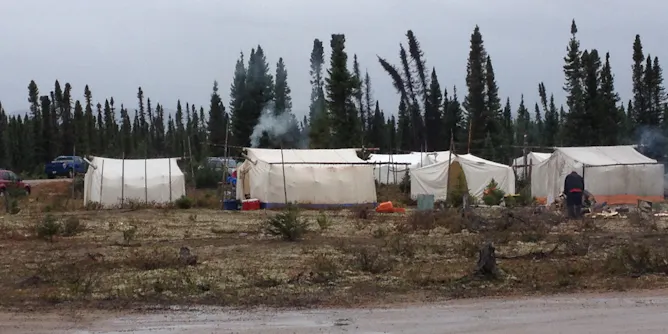
Many researchers may lack resources to guide them in conducting research that is equitable, inclusive and respectful of diverse Indigenous knowledge, ethics, practice and research sovereignty.
Articles on Indigenous communities
Displaying 21 - 40 of 43 articles

Hydrogen-filled cargo airships could do for the Northern economy what the railways did for Western Canada 125 years ago. It’s time to lift the antiquated ban on hydrogen gas for use in blimps.
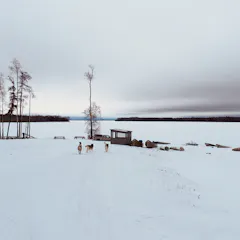
Infrastructure for the mining industry has been prioritized over community-infrastructure for essential human needs.
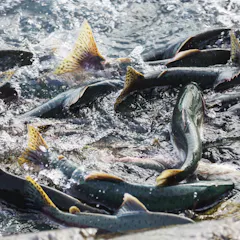
As climate change warms northern rivers and changes precipitation patterns, some types of cold-loving fish are failing.

Indigenous communities are connecting over digital communities to survive and resist.

Local fish are almost impossible to find on the shelves of grocery stores in northern Ontario, even though the region has an abundance of fish.

Reducing crowding and repairing social housing can decrease the risk of COVID-19 in remote Indigenous communities. It will bring other long-term benefits, too.
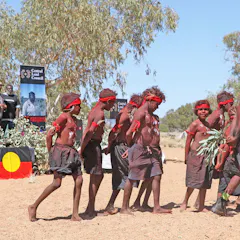
Expanding on sustainable practices in remote parts of Australia can deliver great benefits to both local Indigenous owners and national and global communities.

As part of an upgrade of Auckland’s city centre, the council promises to include local Māori communities and their histories. But without addressing inequalities, it is no more than a token gesture.

We now have a proven model for supporting self-determined building on Aboriginal homelands. The next question is how can its reach be extended?

Centralised policies are not meeting the needs of remote Indigenous settlements. Increasing their decision-making input and the role of local industry can overcome the challenges of building remotely.
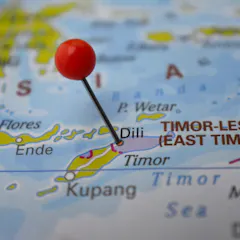
Amid a prolonged border dispute between Indonesia and Timor Leste, indigenous groups have signed an agreement to solve problems arising from the dispute.
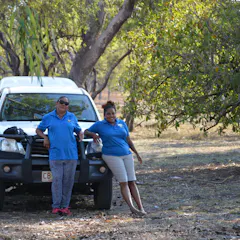
“You can’t just come in like a fly and take-off” - patience and time on community is key to improving financial well-being in remote communities.

Inclusive innovation processes could be extremely valuable to low-income and disadvantaged communities in South Africa.

To deliver better housing for health, we must go back to what we know works, to the proven evidence-based solutions for design, construction, delivery and maintenance.

Some remote Australian communities have access to drinking water for only nine hours a day but can use ten times the average of urban households.

Cape York’s ecosystems are worth as much as the Queensland economy.

Across Indigenous Australia, innovation is occurring locally, under the radar of government policies and support. We can look to this innovation and stop fixating on finding the elusive policy solution.

Vegemite has been used for many things over the years. But claims it was used to brew alcohol in dry Indigenous communities had many asking if that was even possible.
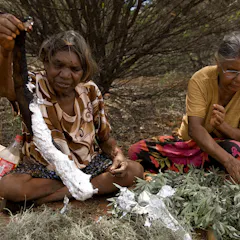
In Indigenous communities beset by tragedy and social problems, the connection to each other and to the land remains a powerful source of shared contentment and happiness.
Top contributors
-

ARC DECRA Fellow & Senior Lecturer in Construction Management, Faculty of Architecture, Building and Planning, The University of Melbourne
-
Professor, Director, Griffith University
-
Associate Professor in Public Health, The University of Queensland
-
York Research Chair in Environmental Law & Justice in the Green Economy, York University, Canada
-
NHMRC R.D. Wright Biomedical Fellow, The University of Queensland
-
Design Theory and Research Lecturer, Cape Peninsula University of Technology
-
Research assistant, Universitas Gadjah Mada
-
Industry Adjunct, Adelaide University
-
Research fellow, Deakin University
-
Lecturer, Department of International Relations, Universitas Gadjah Mada
-
Advisor, Author and Researcher, The University of Queensland
-
Adjunct Senior Research Fellow, Monash University
-
Adjunct Associate Professor James Cook University and University Fellow Charles Darwin University, James Cook University
-
Adjunct Researcher, James Cook University
-
Professor of Public Policy, Northumbria University, Newcastle