
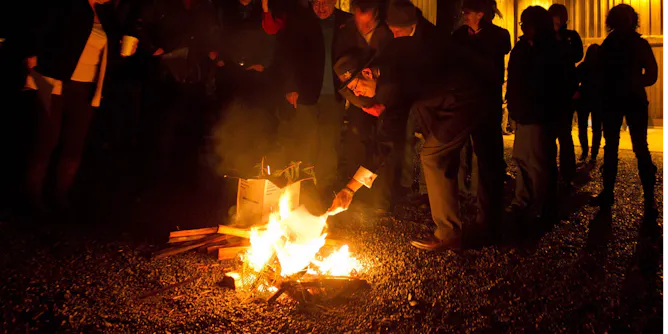
Section 141 of the act was used to surveil and intimidate Indigenous leaders and weaken Indigenous political organizing.
Articles on Indian Act
Displaying all articles
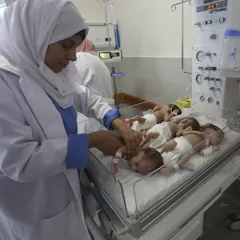
Health-care workers have a direct impact in areas of conflict due to their ability to provide care — and bear direct witness to atrocities. In Gaza, Canada and beyond, they must be heeded.

Seven Williams Treaties First Nations continue to call on the provincial government to adequately consult them when making important decisions on their lands in the Greenbelt and beyond.

The election of Wab Kinew’s NDP in 2023 represents a powerful rejection of the racial politics of recent Conservative governments led by Heather Stefanson and her predecessor, Brian Pallister.
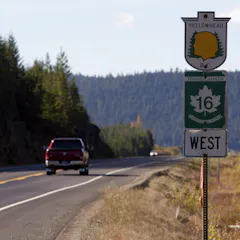
Transport development paved the way for colonization and is directly linked to the chronic and extreme social inequities Indigenous communities continue to face to this day.

Acronyms like BIPOC can highlight the similar ways racism impacts different people. However, they can also gloss over the distinct experiences of communities.
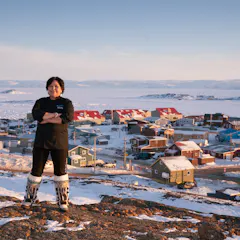
Indigenous women are using sustainable tourism to overcome generational challenges and as an entrepreneurial means of generating income.

Few Canadians know about the doctrine of coverture and how it stripped Indigenous women of their agency.

The “blackout period” was a time when the Canadian government banned lawyers from representing Indigenous Peoples.
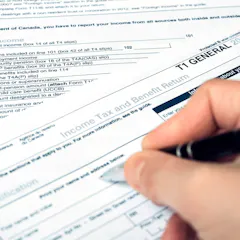
The common misconception among Canadians that Indigenous people do not pay any taxes perpetuates harmful stereotypes and hinders reconciliation.
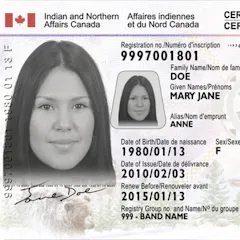
Challenging Indigenous identity fraud in academia must name and focus explicitly on structures of whiteness, white entitlement and settler colonialism so we don’t recreate the harms of past policies.
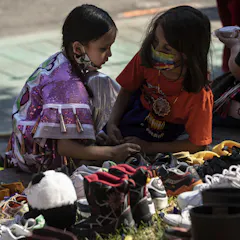
An Indigenous lawyer makes the case that what happened to Indigenous children who went to residential schools is genocide and the case should be tried by the International Criminal Court.

Canadians need to understand the basic harms and violences that continue to be experienced by Indigenous people across the land we call Canada.
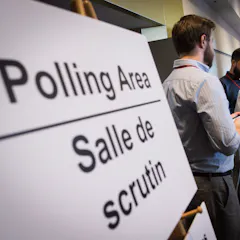
The federal government needs to amend the necessary regulations of the Indian Act and First Nations Elections Act to allow First Nations to choose their own voting methods.

Built on historical research, this article tells the resilient, fascinating and rarely told history of Indigenous women’s organizing and resistance in Saskatchewan.
No project for reconciliation can succeed unless the federal and provincial governments roll back their power and create space for Indigenous control over their own self-determining futures.
Top contributors
-

Professor, Department of Sociology and Anthropology, Concordia University
-
Tier II Canada Research Chair in Indigenous Peoples and Global Social Justice, University of Regina
-
Professor of Political Science, University of Guelph
-
Associate Professor, Political Science and Director of the Centre for Transitional Justice and Post-Conflict Reconstruction, Western University
-
Associate Professor, School of Hospitality and Tourism Management, Toronto Metropolitan University
-
Acting Dean and Associate Professor, Law, University of Windsor
-
Chair, Anishinaabeg Knowledge and Assistant Professor at Chanie Wenjack School for Indigenous Studies, Trent University
-
Project Manager of the Northern WE in Tourism study
-
PhD Candidate, School of Criminology, Simon Fraser University
-
Assistant Professor, Indigenous Methodologies, Chanie Wenjack School of Indigenous Studies, Trent University
-
Associate Professor, Department of Anthropology, McGill University
-
Director, Centre for Human Rights Research and Distinguished Professor, History and Women's and Gender Studies, University of Manitoba
-
Associate Professor, Indigenous Studies Department & Department of Health, Aging and Society, McMaster University
-
Post Doctoral Researcher, Human Geography, University of Toronto
-
Assistant Professor, Faculty of Law, University of Victoria