
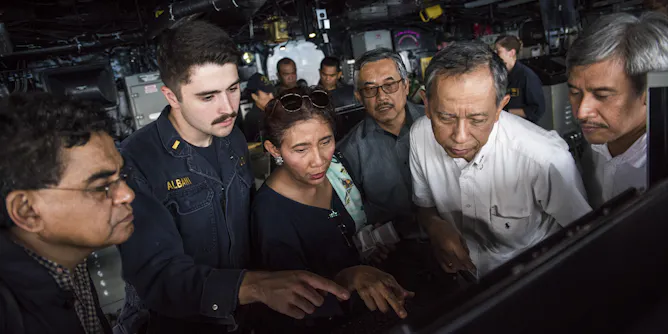
My research explores how fisheries minister Susi Pudjiastuti was left out of Jokowi’s new cabinet. Her harsh managerial style alienated many parties and a coalition rose to oust her from office.
Articles on Illegal fishing
Displaying 21 - 40 of 46 articles
International law does not meaningfully address biodiversity conservation in the high seas. We risk losing marine species before we have a chance to identify and understand them.
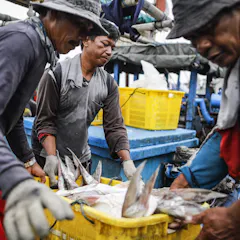
The patronage system – common in South-East Asia’s small-scale fisheries – indirectly perpetuates destructive fishing practices. However, opportunities exist to tap them as agents of change.

Regulations have lowered mercury emissions globally, but the risks to ocean ecosystems and human health may be getting worse.

Scientists are uncovering the secrets of a giant undersea rock shelf, parts of which lie four kilometres below the ocean’s surface.
Our study found that some individuals who previously participated in destructive fishing practices can transform into inspiring leaders and influence others to protect coral reefs.
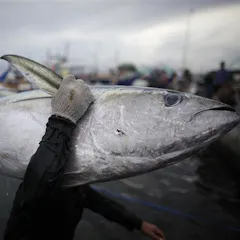
Earth-orbiting satellites and AI tools can track fishing vessels around the world.

Climate change, pollution and illegal fishing by foreign boats is threatening the livelihoods of millions of people.
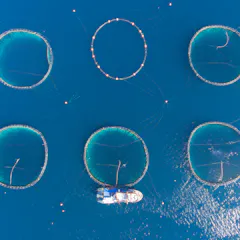
Aquaculture is endangering the marine environment, threatening the livelihood of small-scale fishers and food security.
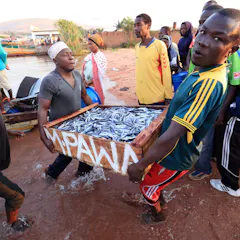
Urgent measures need to be adopted to prevent corruption linked to illegal fishing activity in and around Lake Victoria.
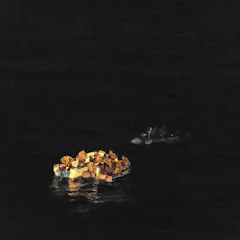
The number of piracy attacks has certainly declined. But the risk of being attacked at sea remains.

Narratives of nationalism has risen following news about illegal fishing by countries including China in South China Sea. Will nationalistic pride affect regional stability?
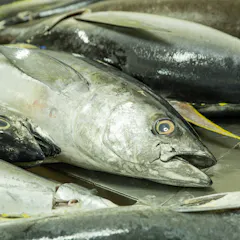
Blockchain is now helping to bring much-needed transparency to the global tuna industry, which has been prone to corruption, human slavery and unsustainable fishing practices.
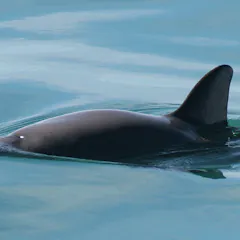
Both focus too much on controlling supply and not enough on demand.
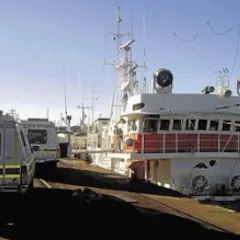
Indonesia and South Africa are making strides against transnational organised fisheries crime.
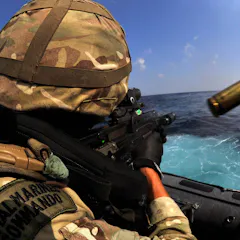
Managing maritime security is a challenging endeavour. Forms of maritime crime include piracy, drug and arms smuggling.

Sharks were a major talking point at the CITES conference this year and their protection has been expanded to cover new species.
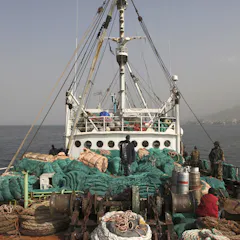
The fisheries sector in West Africa is beset with serious challenges including over-fishing and, in particular, illegal fishing.
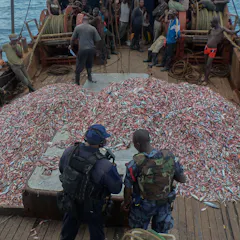
Crime on the ocean is not only about illegal fishing – it ranges from drug smuggling to human trafficking and modern-day slavery as well.
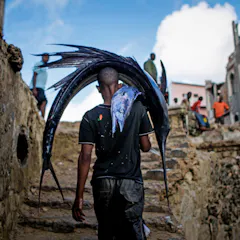
The blue economy is unknown, overlooked and underdeveloped in Africa. It could represent a major growth driver for the continent.
Top contributors
-

Lecturer in Sustainable Futures, University of St Andrews
-
Assistant Professor of Natural Resource Economics, University of Wisconsin-Madison
-
Lecturer, University of Wollongong
-
Postdoctoral researcher, Universitat Autònoma de Barcelona
-
Postdoctoral Scientist, Marine Ecology, Florida International University
-
PHD candidate, Université Paris 1 Panthéon-Sorbonne
-
Senior Lecturer, University of York
-
Professor of International Security at University of Bristol and Director of the Centre for Global Insecurity, University of Bristol
-
Professor, University of Wollongong
-
Research Fellow at the ARC Centre of Excellence for Coral Reef Studies, Victoria University
-
Professor of Environment and Development, University of Birmingham
-
Associate professor of Politics, Universidad Panamericana - IPADE Business School
-
Adjunct Senior Lecturer, University of Tasmania
-
Associate professor, University of Tasmania
-
Enseignant chercheur, Université de Rouen Normandie