

Hypertension is a manageable condition – but left untreated, it can damage organs such as the kidneys, heart and brain.
Articles on Hypertension
Displaying 41 - 60 of 120 articles

This common heart condition puts you at increased risk of having a stroke, especially if you also have high blood pressure. But our new research shows what you can do to lower your risk.

Research shows the key to changing your diet is focusing on changing eating habits and food behaviours, one at a time.

Nearly half of all Americans ages 20 and up have high blood pressure. Yet research shows that most people in the US don’t know the cutoff numbers for healthy blood pressure.
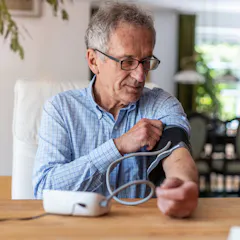
Our research has shown that people with high blood pressure are more likely to be admitted to hospital and die from COVID. But effective blood pressure control helps.
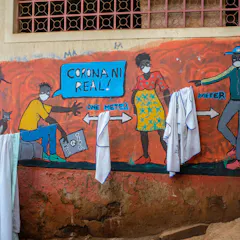
Outpatient visits, screening and diagnostic services, and child immunisation were particularly negatively affected.

Lowering obesity and overweight rates will lift the burden on healthcare spending.

Aortic dissection is an uncommon condition – affecting only three or four people per 100,000.

The eyes can reveal many health problems, from high cholesterol to thyroid disease.

The evidence is growing that experiencing both systemic and everyday race-based discrimination may lead some Black Americans to become depressed and think about suicide.

Connecting health apps to health care can enable better care for patients with chronic diseases, and it has the potential to lower skyrocketing US health spending.
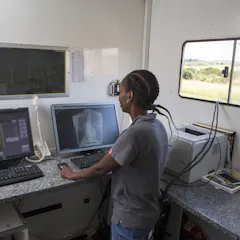
South Africa needs a public health response that expands the successes of the country’s HIV testing and treatment programme to provide care for multiple diseases.

Governments must take urgent action to prevent noncommunicable diseases from becoming an uncontrollable epidemic in sub-Saharan Africa. Sugar-sweetened beverage taxation offers a potential solution.

The results are in: South Africa’s ground-breaking health promotion levy, introduced in 2018, is working.
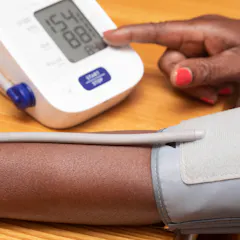
Current blood pressure targets are based on information from high-income countries. This might mean that these targets are not ideal for South Africans.

Although they remain untested as a treatment, this suggests these drugs could be used as a therapeutic against the coronavirus.

Current treatments for multimorbidity involve taking multiple drugs to manage symptoms, which often has adverse health effects.
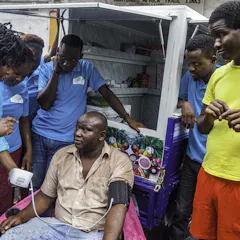
Cardiovascular risk factors like diabetes and hypertension are preventable or relatively easy to treat with inexpensive medication.

Teaching deaf babies sign language improves the success of cochlear implants – and also safeguards their long-term physical and mental health.
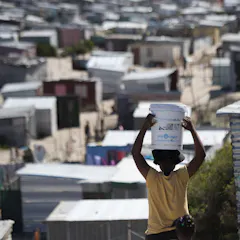
COVID-19 has stretched South Africa’s public health services to capacity. In response, the services have increased their capacity through innovation.
Top contributors
-

SHARP Professor of Cardiovascular Medicine, UNSW
-
Professor and Programme Director, SA MRC Centre for Health Economics and Decision Science - PRICELESS SA (Priority Cost Effective Lessons in Systems Strengthening South Africa), University of the Witwatersrand
-
Postdoctoral Research Fellow, School of Health Sciences, University of Sydney
-
Professor of Global Health, Institute for Applied Research, University of Birmingham
-
Senior Research Fellow, Sydney School of Health Sciences, Faculty of Medicine and Health, University of Sydney
-
Professor of Community Health and Wellbeing, The University of Queensland
-
Associate Professor (Reader), Wits School of Public Health, University of the Witwatersrand
-
Cardiologist at Westmead Hospital; Director of the Westmead Applied Research Centre, University of Sydney
-
Research Manager at MRC/Wits Agincourt Research Unit, University of the Witwatersrand
-
Professor: Health and Population Division, School of Public Health, University of the Witwatersrand
-
Brett Montgomery is a Friend of The Conversation.
Senior Lecturer in General Practice, The University of Western Australia
-
Director: MRC/Wits Rural Public Health and Health Transitions Research Unit (Agincourt), University of the Witwatersrand
-
Research Scientist, African Population and Health Research Center
-
Specialist Scientist Researcher, South African Medical Research Council
-
PhD Candidate in Human Health and Nutritional Sciences, University of Guelph