

South Africa faces high levels of noncommunicable diseases such as diabetes and hypertension. The NHI is likely to battle to cope with treating large numbers of sick people.
Articles on Hypertension
Displaying 61 - 80 of 120 articles

Professor Akinkugbe made significant contributions in hypertension and renal medicine research. He was widely acclaimed as the authority on hypertension in African people.
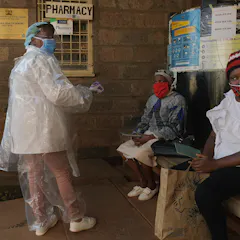
Most facilities prioritize COVID-19 cases. In addition, curfews are still in effect in Kenya, which affects the working hours of clinics providing hypertension care services.

Reducing maternal deaths in developing countries relies on the ability of health systems to swiftly identify and manage women at high risk.
The use of antihypertension medication during the coronavirus pandemic has been a subject of hot debate but people should be cautious about simple conclusions.

Eating healthy food, exercising regularly and reducing stress are all measures we can take to stay as healthy as possible to fight off infection while we wait for a coronavirus vaccine.
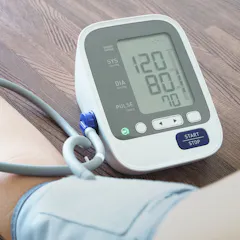
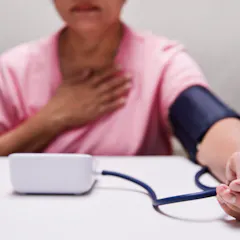
Measure your blood pressure at home, check in with your GP, and keep an eye on your diet and exercise.
Fears have circulated over a drug used to treat high blood pressure and whether it increases mortality in those with COVID-19. Here’s what you need to know.
How Ace inhibitors work to lower blood pressure.

Pregnant women exposed to bushfire smoke face a higher risk of complications including gestational diabetes, high blood pressure and giving birth prematurely.

Research done over the past 26 years
provides insights into changes across people’s lives, helps evaluate interventions, and provides information for local, provincial and national planning.
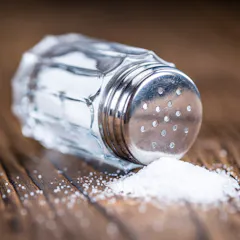
Salt consumption in China is among the highest in the world.

People with Alzheimer’s disease have lower rates of type 2 diabetes than the general population.

Brief exposure to a family of chemicals used as flame retardants early in life can permanently alter fat levels in the blood and liver, raising the risk of liver cancer and heart disease.
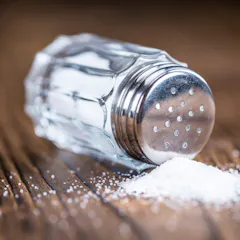
South Africa needs to continue public awareness campaigns to reduce excessive salt intake to protect cardiovascular health.

At the turn of the century, the greatest threats were posed by infectious diseases today, the biggest threats are posed by lifestyle diseases.

Global experts warn that excessive screen time increases the risk of obesity, low physical fitness, anxiety and depression.

Scientists have found ways to trick the brain into thinking you’re tasting salt.

Pre-eclampsia can be dangerous for expectant mothers, but there are ways to monitor and minimise the risks.

A new study has found that employing lay health workers at clinics can improve the way patients receive treatment.
Top contributors
-

SHARP Professor of Cardiovascular Medicine, UNSW
-
Professor and Programme Director, SA MRC Centre for Health Economics and Decision Science - PRICELESS SA (Priority Cost Effective Lessons in Systems Strengthening South Africa), University of the Witwatersrand
-
Postdoctoral Research Fellow, School of Health Sciences, University of Sydney
-
Professor of Global Health, Institute for Applied Research, University of Birmingham
-
Senior Research Fellow, Sydney School of Health Sciences, Faculty of Medicine and Health, University of Sydney
-
Professor of Community Health and Wellbeing, The University of Queensland
-
Associate Professor (Reader), Wits School of Public Health, University of the Witwatersrand
-
Cardiologist at Westmead Hospital; Director of the Westmead Applied Research Centre, University of Sydney
-
Research Manager at MRC/Wits Agincourt Research Unit, University of the Witwatersrand
-
Professor: Health and Population Division, School of Public Health, University of the Witwatersrand
-
Brett Montgomery is a Friend of The Conversation.
Senior Lecturer in General Practice, The University of Western Australia
-
Director: MRC/Wits Rural Public Health and Health Transitions Research Unit (Agincourt), University of the Witwatersrand
-
Research Scientist, African Population and Health Research Center
-
Specialist Scientist Researcher, South African Medical Research Council
-
PhD Candidate in Human Health and Nutritional Sciences, University of Guelph