
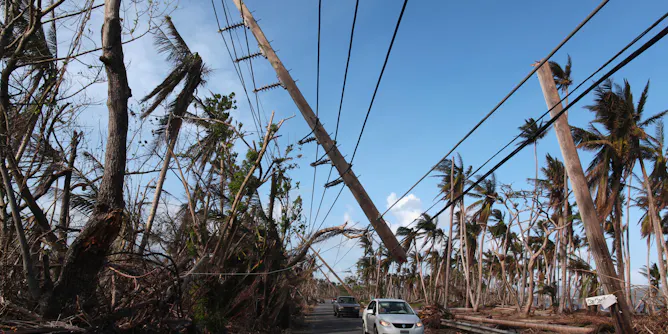
2017 brought wild, wacky and even deadly weather. Australia was hit by heatwaves and torrential rains, plus some surprisingly cool spells. Hurricanes hit America, and a killer monsoon lashed Asia.
Articles on Hurricane Maria
Displaying 41 - 60 of 61 articles
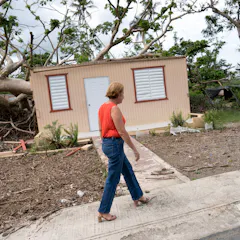
It’s said Puerto Rico has the longest Christmas in the world, a noisy two-month celebration that goes through mid-January. Can the holidays still happen in the aftermath of Hurricane Maria?
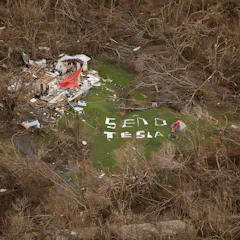
Tesla, China and Richard Branson are among those offering to help Caribbean nations rebuild – and do so in a greener, more resilient way – after the devastating 2017 hurricane season.
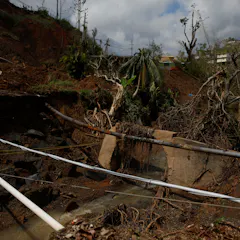
Scholars answer key questions about Puerto Rico in the aftermath of Huricane Maria, which destroyed the island two months ago.
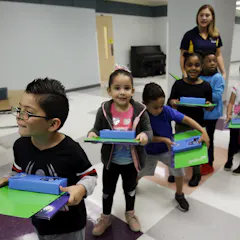
A demographer at Penn State surveyed Puerto Ricans on the mainland to see if they had plans to return to the island.
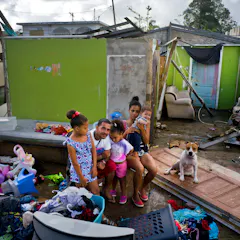
Charitable giving and government aid can shortchange disasters that follow other disasters.
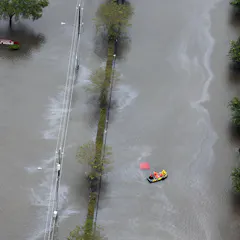
It’s not just about rebuilding infrastructure after storms: Cities need to systematically rethink their knowledge systems which are at the heart of urban resilience.
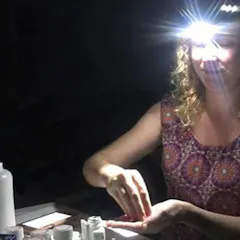
It’s hard but feasible to make a difference, as long as you work with the locals and don’t become a ‘disaster tourist.’
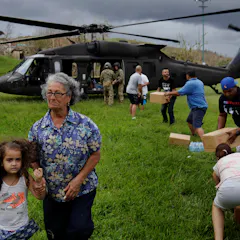
Two hurricanes in Puerto Rico’s past fundamentally transformed the island’s economy and politics. Maria will be the third, says a historian.
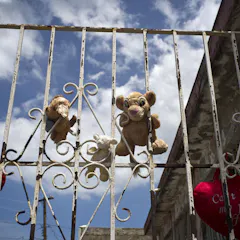
Long after the hurricane’s over and the power comes back, residents can still experience lasting mental health issues.
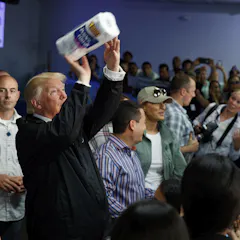
Evidence shows that US taxpayers are less willing to support extensive disaster relief when the victims are not white. Could that explain the Trump administration’s lackluster support for Puerto Rico?
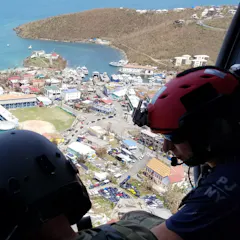
With this technology, citizen scientists could even help to predict the damage caused by future disasters.
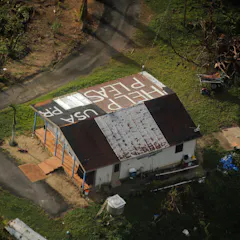
If humanitarian need can’t move the Trump administration to save Puerto Rico, then perhaps American self-interest will: The island is a crucial part of the country’s economic and military machinery.
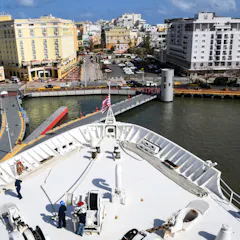
The military can make a big difference right away but humanitarian deployments should generally be rare and brief.
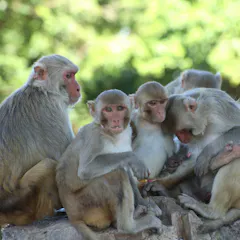
Puerto Rico’s Cayo Santiago Research Station has been a world-famous site for primate studies since 1938. Now scientists are working to save its staff and rhesus monkey colony after Hurricane Maria.
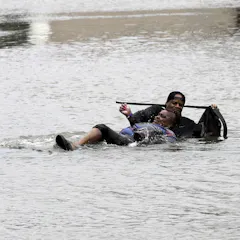
Natural disasters expose people to toxic gases, bacterial illness and other serious dangers. How can people maximize their safety as they return home?
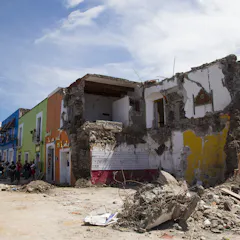
The interests of future holiday-makers are far from important in times of crisis, but tourism is economically key to these countries.
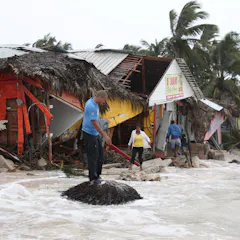
Hurricane Maria has left 3.4 million Puerto Ricans facing shortages of food, health care and transit, an American humanitarian crisis fueled by the US territory’s May 2017 bankruptcy.
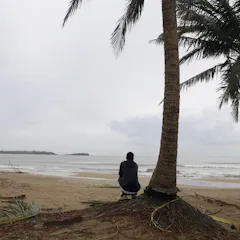
It’s not just the land and people that have been badly affected by hurricanes.
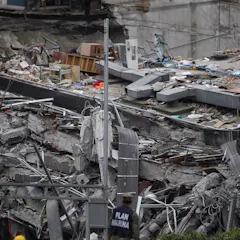
An expert in post-disaster reconstruction explains what works, and what doesn’t, when it comes to rebuilding a city.
Top contributors
-

Associate Professor of Human Development and Family Studies, Demography and Public Policy, Penn State
-
PhD candidate in African & African Diaspora Studies, The University of Texas at Austin
-
PhD Candidate, Institute for Resources, Environment and Sustainability (IRES), University of British Columbia
-
Furman Public Policy Scholar, New York University
-
Posdoctoral Researcher in Local Energy Systems, University of Oxford
-
Assistant Professor of Emergency and Disaster Health Systems, University of Maryland, Baltimore County
-
Assistant Professor of Climate Adaptation, University of Washington
-
Research Fellow, American University School of Public Affairs
-
Associate Professor of Landscape Architecture and Urban Planning, Texas A&M University
-
Lecturer in Urban Development Planning, University of Manchester
-
PhD Candidate in Disaster Risk Reduction, UCL
-
ARC Future Fellow and Associate Professor in Climate Science, ARC Centre of Excellence for 21st Century Weather, The University of Melbourne
-
Research Professor, Centro de Investigaciones Sociales, University of Puerto Rico - Rio Piedras
-
Research Fellow, Cardiff University
-
Professor of Health Law and Bioethics, Case Western Reserve University