

It’s hard to succeed in college if you’re hungry. But more than half of community college students don’t have access to affordable and healthy food. What difference can food scholarships make?
Articles on Hunger
Displaying 221 - 240 of 276 articles
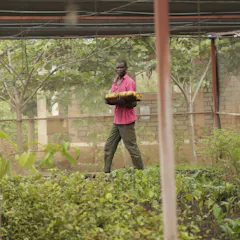
At present on the African continent, the politics of persuasion are especially consequential in the area of agri-food research and development.

Biofortification – enhancing the micronutrient concentration of staple crops – offers a sustainable solution to hidden hunger.
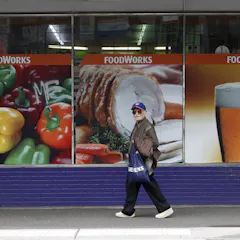
Despite Australia being considered the ‘lucky country’, 15% of us still experience food insecurity. Meanwhile, 40% of edible food is thrown away before it even reaches the market.

Congress is drafting the 2018 farm bill, which will guide agriculture, nutrition, trade and rural development policy. A former agriculture secretary explains how this bill reaches far beyond farms.

There were some African food security initiatives from 2017 that deserve a special mention for the precedent they set.

Losing weight is an effective treatment for type 2 diabetes, as well as a prudent preventive measure. Beliefs that it’s harder to lose weight when diabetic are unfounded.
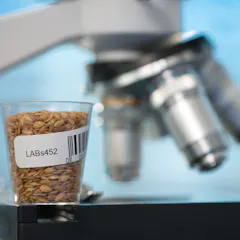
African countries, like Nigeria and Ethiopia, increased their food production using a system-wide approach, and not the traditional reliance on isolated projects.
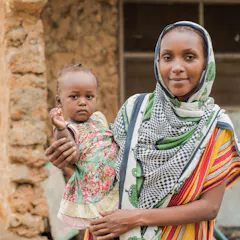
NGOs (non-government organizations) run by women in India and Tanzania fuel the success of development projects, but the women are too easily marginalized once the projects get off the ground.

South Africa has problems with hunger and obesity and both are linked to malnutrition. But solutions like taxes, education, regulating food advertising and labelling can help the problem.
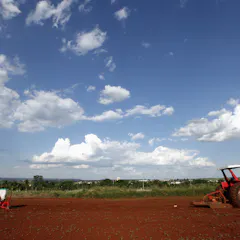
To stimulate innovation in the agriculture sector education and training is in dire need of substantial reform for greater integration, cooperation and accountability.
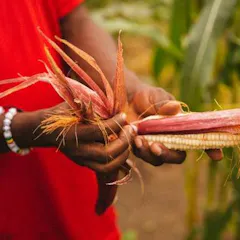
Policy choices made by Senegal, Ghana, Rwanda, Angola, Cameroon, Ethiopia and Togo over the past 15 years have led to significant reductions in child undernourishment.

According to the UN, world hunger is rising for the first time in 15 years. The answer is not only growing more food, but also buffering small-scale farmers against climate change and armed conflicts.
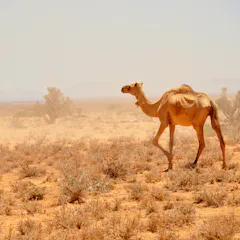
It’s wrong to blame climate change for famine and conflict. These can either be prevented, or the impact minimised, if institutions and mechanisms of good governance are in place.

Students with unpaid meal debts have been experiencing some shaming policies at school. New rules are aimed at protecting these children, but the real solution may lie in free meals for all.

Food assistance – like SNAP benefits – can have far-ranging impacts on a person’s health and well-being.

The world has turned its back on the Nuba people of Sudan. Despite the critical need for food, none of the organisations involved in helping people in dire need have attempted to deliver aid to them.

Cutting the program formerly known as food stamps would hurt low-income Americans and the whole economy. As research indicates that it’s working well, this drive to defund is baffling experts.

Diversity, resilience, resistance to disease: seeds must be preserved to ensure we can feed our world in the future.
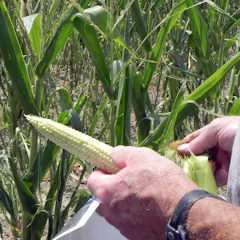
Climate change, rising food demand and globalization are putting pressure on world food production. New research explores the risk of failures in several of the world’s breadbasket regions at once.
Top contributors
-

Professor of Social Development Studies, University of Johannesburg
-
Professor in Food Security; Head of the Department of Agricultural Economics, Extension and Rural Development, University of Pretoria
-
Professor of Economics, Baylor University
-
researcher, University of Cape Town
-
Assistant Professor of Public Health, Indiana University
-
Network and Research Manager: ARUA – UKRI GCRF FSNet Africa, University of Pretoria
-
Principle dietitian at the Nutrition Information Centre, Stellenbosch University
-
Associate Professor of Nutrition Science, Purdue University
-
Professor Emeritus of Food Security, Tufts University
-
Senior Lecturer in Nutrition and Dietetics, University of Wollongong
-
Professor of Nutritional Sciences, University of Toronto
-
Professor of Economics, University of Michigan
-
Professor and Head of Division Human Nutrition at the Faculty of Medicine and Health Sciences, Stellenbosch University
-
Research Program Coordinator, Food Insecurity, University of Toronto
-
Research associate at African Centre for Cities, University of Cape Town