
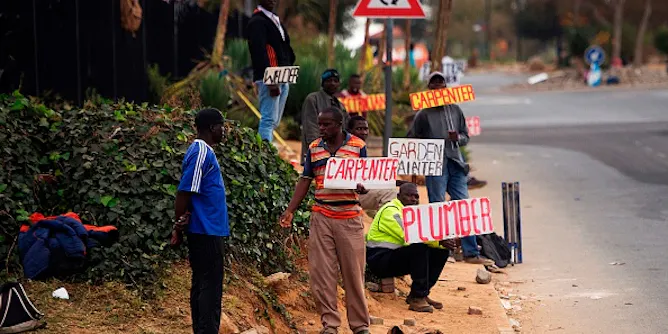
Economic distress was the norm for many before the coronavirus outbreak. The pandemic is an opportunity to provide an economically secure future for all.
Articles on Hunger
Displaying 181 - 200 of 276 articles

More needs to be done to cushion low-income families from the economic effects of the new coronavirus.

Africa’s industries are not growing at the same pace as its cities, leaving the informal economy as the main source of income for many. COVID-19 lockdowns have cut this umbilical cord.
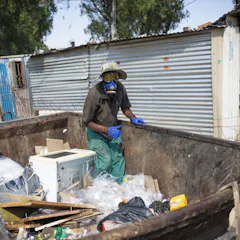
The clock is ticking: in the absence of government support, not being able to work means waste reclaimers don’t have money to buy food.
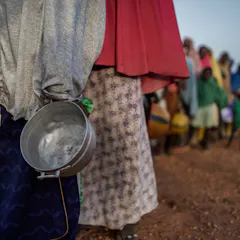
Since 2010 the number of Kenyans going hungry has been growing. The country now suffers from serious levels of hunger

Many households struggle when schools are closed.
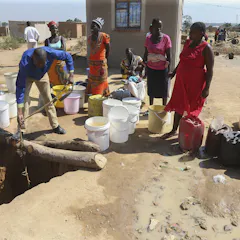
The 17 goals seek to end all forms of poverty everywhere by 2030, by achieving 169 targets. Progress in achieving them does not match the hype.
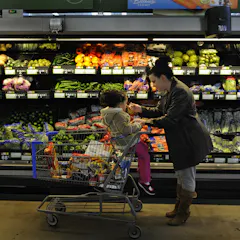
This pillar of the American safety net originated as a solution to the paradox of hunger in the midst of plenty.

Golden Rice – a controversial genetically modified product designed to combat malnutrition – has been approved as safe in the Philippines. But key questions remain unanswered.
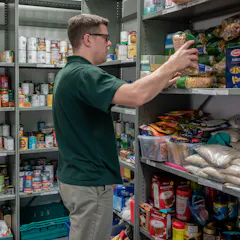
Our research has found that staff discussions of Christianity in food banks may put people off using them.
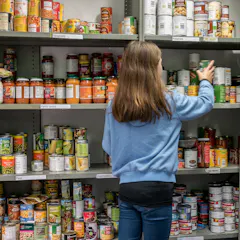
Food poverty is increasingly generating child victims, whose only salvation comes from donations of emergency food provisions.

We found that current indicators underestimate nearly 6 million children suffering from malnutrition.

Faced with uncertainty over their next meal, teens in a Texas study reveal the various things they resort to in order to put food on the family table.

Hunger affects people’s health. It also affects their dignity and their ability to live full and productive lives.

Food insecurity remains a serious challenge among university students in South Africa.
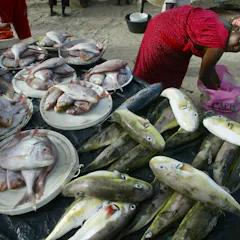
Small-scale fisheries buffer poverty and hunger in coastal countries.
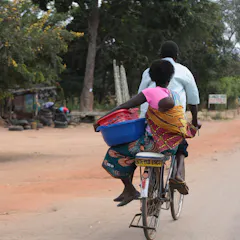
While not all men are willing to become involved in women and children’s health, some situations force them take on ‘women’s work’.

Students suffer the double burden of malnutrition - hunger and obesity. This results in stress, ill health, poor academic results and increased drop-out rates.
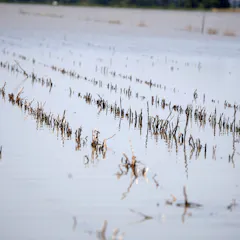
As climate change alters temperature and rainfall patterns, yields of some crops are increasing while others decline. The net result: less food, especially where it’s most needed.
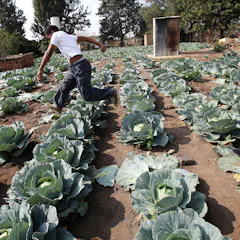
The abandonment of crop farming fields isn’t new. But some researchers say it’s accelerated in the last two decades.
Top contributors
-

Professor of Social Development Studies, University of Johannesburg
-
Professor in Food Security; Head of the Department of Agricultural Economics, Extension and Rural Development, University of Pretoria
-
Professor of Economics, Baylor University
-
researcher, University of Cape Town
-
Assistant Professor of Public Health, Indiana University
-
Network and Research Manager: ARUA – UKRI GCRF FSNet Africa, University of Pretoria
-
Principle dietitian at the Nutrition Information Centre, Stellenbosch University
-
Associate Professor of Nutrition Science, Purdue University
-
Professor Emeritus of Food Security, Tufts University
-
Senior Lecturer in Nutrition and Dietetics, University of Wollongong
-
Professor of Nutritional Sciences, University of Toronto
-
Professor of Economics, University of Michigan
-
Professor and Head of Division Human Nutrition at the Faculty of Medicine and Health Sciences, Stellenbosch University
-
Research Program Coordinator, Food Insecurity, University of Toronto
-
Research associate at African Centre for Cities, University of Cape Town