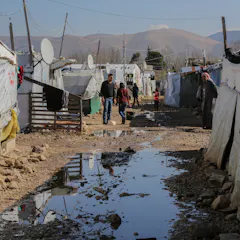
Syrian refugees in Lebanon know how best to manage their resources, but food aid currently prevents them.
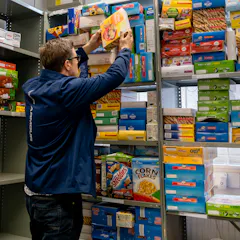
Giving food that would otherwise go to landfill to hungry people does little to ensure the well-being of Canadians who are food insecure.
(Shutterstock)
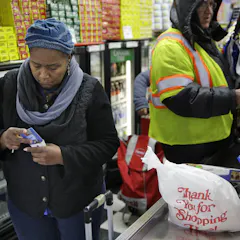
Even without any disruption, SNAP benefits tend to run out before the next disbursement arrives.
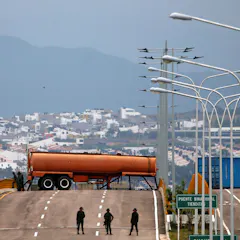
Venezuelan soldiers stand guard on the bridge linking their country and Colombia, under orders to obstruct U.S. humanitarian aid.
AP Photo/Fernando Llano
The high costs of finding work make it difficult for young South Africans to get jobs.
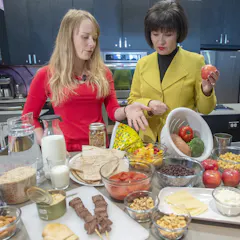
Health Minister Ginette Petitpas Taylor, right, and nutritionist Jessica Cole look over samples of some of the food groups at the unveiling of Canada’s new Food Guide, January 22, 2019 in Montréal.
THE CANADIAN PRESS/Ryan Remiorz
What you remember of your last meal affects when and how much you eat next time around. Neuroscientists have now identified neurons in the brain’s hippocampus that are crucial to this process.
As many as half of America’s college students face campus hunger.
Stokkete/www.shutterstock.com
A new federal report on food insecurity on college campuses does a good job of laying out the scope of the problem but falls short when it comes to solutions.
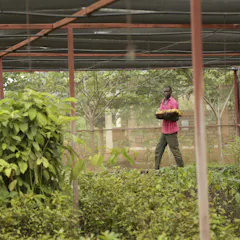
A man walks through a greenhouse in northeastern Uganda where sustainable agriculture techniques such as drought-resistant crops and tree planting are taught, Oct. 19, 2017.
AP Photo/Adelle Kalakouti
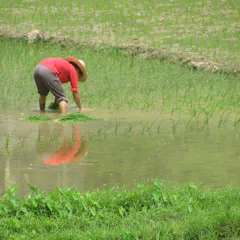
After declining for nearly a decade, the number of hungry people in the world is growing again. Climate change, which is disrupting weather patterns that farmers rely on, is a major cause.
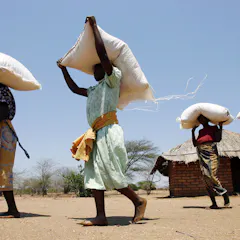
Hunger is a daily reality across large parts of Africa.
Jon Hrusa/EPA
It’s one thing to come up with food security plans. But implementing them is tough.
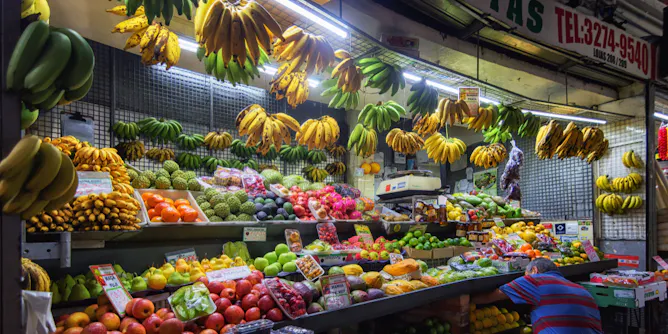
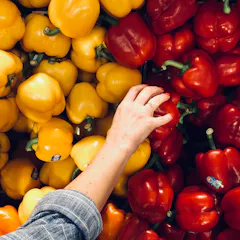
The apparent higher costs of healthy foods like fresh produce compared to fatty, starchy foods is thought to have contributed to food insecurity in Canada. But is there more at play than just cost?
Sydney Rae/Unsplash
Although nutritious, inexpensive food options do exist for low-income Canadians, whether those foods are easily accessible or feasible has long evaded both nutrition researchers and politicians.
Students are more vulnerable to food insecurity.
Sayan Puangkham/Shutterstock
Food insecurity among students can impair academic performance or even lead to some dropping out.
Before you go for seconds after your meal, have a glass of water and wait five minutes before checking in with your hunger again.
from www.shutterstock.com
As atmospheric carbon dioxide levels rise, rice plants produce fewer vitamins and other key nutrients. This could worsen hunger, malnutrition, child stunting and other diet-related health problems.
You’re ready to blow your top – but how much is due to your internal hunger and how much to external annoyances?
Perfectlab/Shutterstock
Missing a meal can certainly push you toward a bad mood. But new research identifies in what kind of situations hunger is most likely to tip toward hanger.
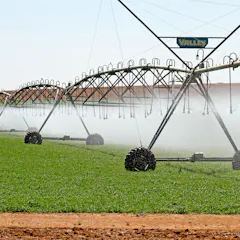
Small farmers struggle to acquire expensive agricultural equipment.
Shutterstock