
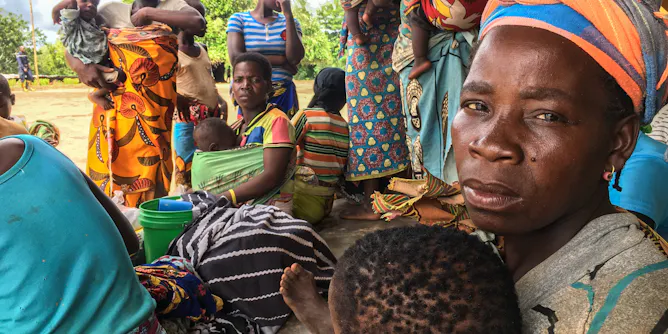
Women in disaster zones are frequently targeted by sexual predators who take advantage of their vulnerability.
Articles on Humanitarian aid
Displaying 121 - 140 of 167 articles
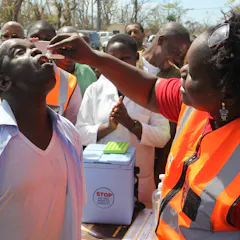
Cyclone Idai showed just how unprepared SADC is to respond to major natural disasters.
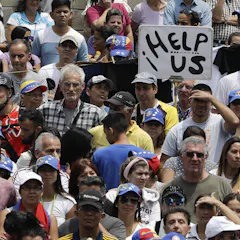
As rival factions vie for control over Venezuela, many of the country’s 31 million people are suffering prolonged power outages, food and water shortages, and limited access to medicine.
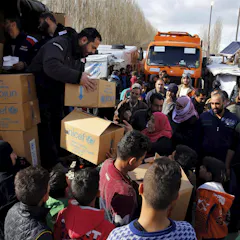
The Syrian civil war has ended, but there are millions of Syrian refugees living in Turkey, Jordan and Lebanon. With danger from a hostile regime back in Syria, what will happen to them now?
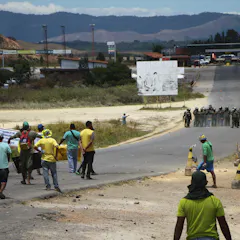
Brazil’s president has threatened military intervention in neighboring Venezuela, called its leader a ‘dictator’ and sent troops to the border. But Brazil’s military is quietly working to avoid war.
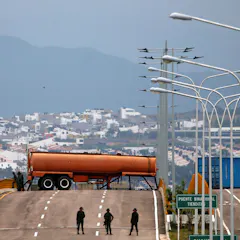
These shipments are rarely just about saving lives.
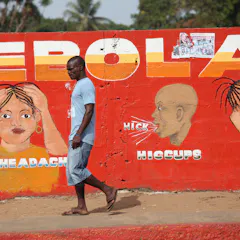
Aid has never been just about helping people. It’s also about gaining influence and exercising soft power.
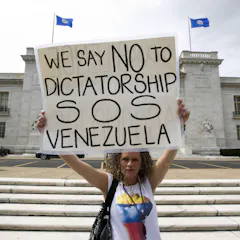
Trump has called Venezuela a ‘human tragedy’ and threatened invasion while quietly deporting and denying asylum to Venezuelan refugees. His anti-socialist rhetoric may make for good midterm politics.

The urge to provide disaster aid is borne out of the best characteristics of humanity. But it’s important to consider when to donate to disaster survivors, along with what and to whom to give.
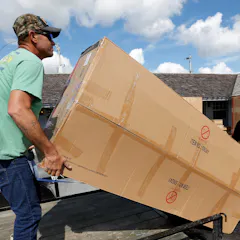
The billions of dollars worth of aid dispatched every year to alleviate the suffering and damage after earthquakes and hurricanes would do more good if it didn’t get clumped up.
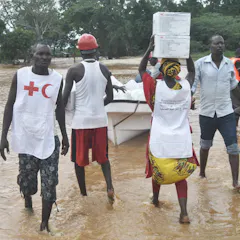
The security of local aid agency workers on the front line hasn’t been prioritised.
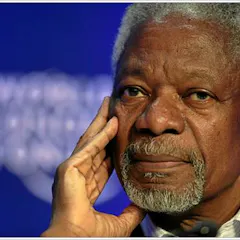
While his appointment as UN Secretary-General was a huge breakthrough, Kofi Annan also led the organisation through some of its ugliest moments.
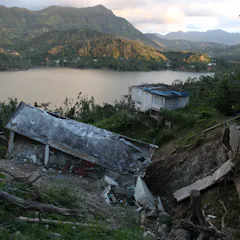
The Caribbean braces for another hurricane season even as many nations remain crippled by the catastrophic damage of 2017. Here, experts assess the region’s difficult and costly storm recovery.
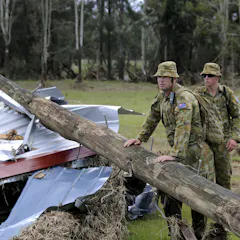
Australia faces many security issues driven by climate change, including more international migration and an increase in defence personnel being sent on disaster relief missions, a Senate inquiry has found.
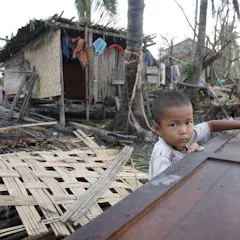
One hundred and forty thousand people died when a major hurricane hit Myanmar in 2008. Would the country be better prepared today?
AI seems able to answer questions at the heart of humanitarianism – questions such as who we should save, and how to be effective at scale.
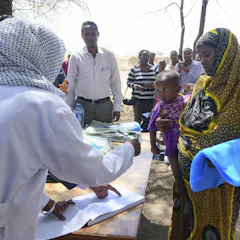
Poor countries aren’t receiving the most foreign aid. Why? And what should be done?
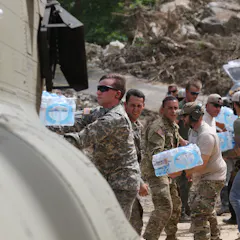
Compared to its foreign disaster missions, the US military mobilized slowly after Maria. But in numbers, capacity and logistics coordination, its work in Puerto Rico was on par with other aid efforts.
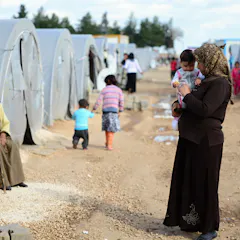
Survival sex – the exchange of sexual favours for aid packets – happens in refugee camps everywhere. Victims are not protected by international human rights law.

We don’t care, or possibly dare, to look back five or ten years later to see what happened to international aid projects.
Top contributors
-

Deputy Director of the HUMLOG (Humanitarian Logistics and Supply Chain Management Research) Institute, Hanken School of Economics
-
Lecturer in Operations Management, Lancaster University
-
Professor of Public Health, Washington University in St. Louis
-
Senior Lecturer in Operations and Supply Chain Management, Liverpool John Moores University
-
Business School Associate Director, Edge Hill University
-
Research Associate Professor, Washington University in St. Louis
-
Professor, Université de Lubumbashi
-
Lecturer in Interdisciplinary Race, Gender and Postcolonial Studies, UCL
-
Associate Research Professor of International Relations, Tufts University
-
Professor of Law, Conflict and Global Development, University of Reading
-
Director, Program on Resilient Communities, Harvard University
-
Associate Rrofessor of Philanthropic Studies, Indiana University
-
Fellow, Harvard Humanitarian Initiative, Harvard University
-
PhD Researcher, Development Studies, University of Sussex
-
Professor Emeritus in Global Health & Humanitarian Affairs, University of Manchester