
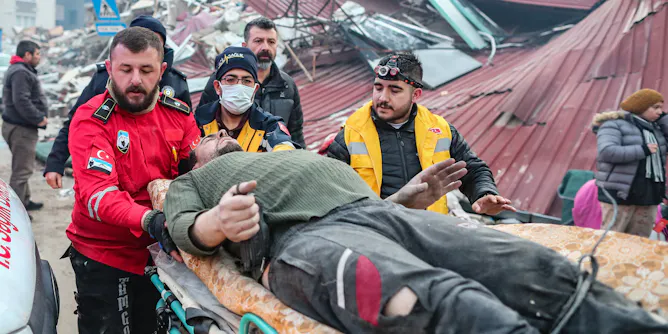
The window of survival after an earthquake is narrow and there are three top priorities for aid workers.
Articles on Humanitarian aid
Displaying 81 - 100 of 167 articles

In 2018, Africa accounted for 70% of the world’s people displaced by armed conflict and human rights abuses.
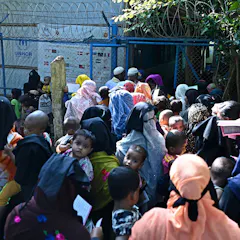
The international response to the refugee crisis in Ukraine has been impressive. But humanitarian aid is falling short to help refugees in other countries such as Bangladesh, Yemen and Ethiopia.

Parties to the conflict in Ethiopia’s Tigray region have agreed to end hostilities after two years. Here is a selection of previously published articles on its devastating consequences.

Millions of Somalis are in urgent need of aid. But not enough is being done to reach marginalised groups.
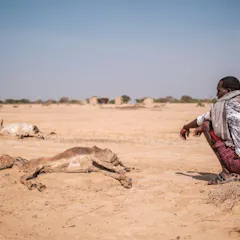
The ongoing humanitarian crisis raises serious questions about future food and water security in the Horn of Africa.
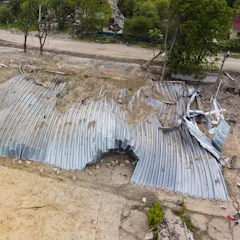
Countries have used starvation as a war strategy for centuries, historically without being prosecuted. Three experts on hunger and humanitarian relief call for holding perpetrators accountable.
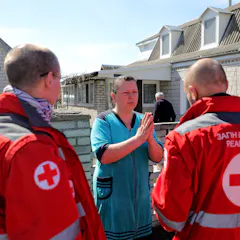
Aid workers are supposed to be protected by international humanitarian law. But increasingly they are being targeted by warring parties.
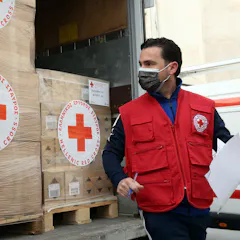
IHOs have learned how to bring warring parties together while at the same time guaranteeing their own security.
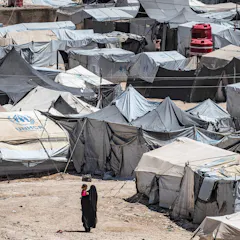
Russia has used similar tactics in both countries, including bombings that flatten homes, schools, hospitals and key infrastructure. The humanitarian needs are vast.

Where it’s risky for aid workers to be on the ground, technology could help.
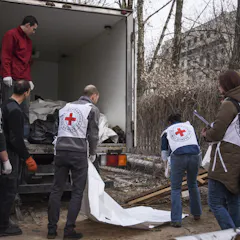
Nearly all of the 129 aid workers killed on the job in 2021 were from the countries where they lost their lives.
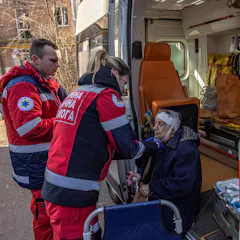
As the invasion continues, humanitarian workers could become a target of the Russian army.

To date, the program has provided nearly $10 million to roughly 137,000 of the country’s poorest citizens.

The money is evenly split between military support and funds for economic, humanitarian and other needs.
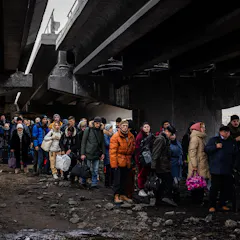
Tens of thousands of Ukrainians are using humanitarian corridors to leave the country. But these routes are often announced for political reasons and do not always offer safety
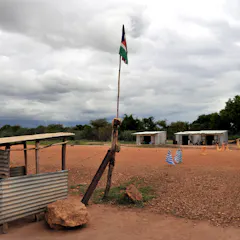
Barges transporting goods can end up paying up to US$10,000 in taxes for one trip.
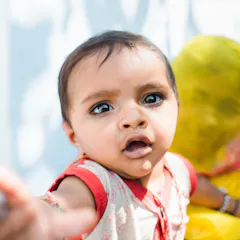
These photos tend to oversimplify the issues that cause poverty and the suffering of poor people in low-income countries.
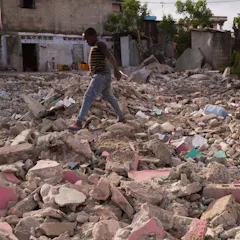
Collaboration can have immediate benefits in the most dire circumstances.
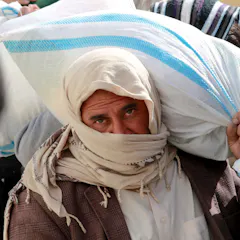
Afghanistan is facing a looming hunger crisis. But the world must engage with the Taliban on purely pragmatic and humanitarian grounds, without extending formal recognition.
Top contributors
-

Deputy Director of the HUMLOG (Humanitarian Logistics and Supply Chain Management Research) Institute, Hanken School of Economics
-
Lecturer in Operations Management, Lancaster University
-
Professor of Public Health, Washington University in St. Louis
-
Senior Lecturer in Operations and Supply Chain Management, Liverpool John Moores University
-
Business School Associate Director, Edge Hill University
-
Research Associate Professor, Washington University in St. Louis
-
Professor, Université de Lubumbashi
-
Lecturer in Interdisciplinary Race, Gender and Postcolonial Studies, UCL
-
Associate Research Professor of International Relations, Tufts University
-
Professor of Law, Conflict and Global Development, University of Reading
-
Director, Program on Resilient Communities, Harvard University
-
Associate Rrofessor of Philanthropic Studies, Indiana University
-
Fellow, Harvard Humanitarian Initiative, Harvard University
-
PhD Researcher, Development Studies, University of Sussex
-
Professor Emeritus in Global Health & Humanitarian Affairs, University of Manchester