
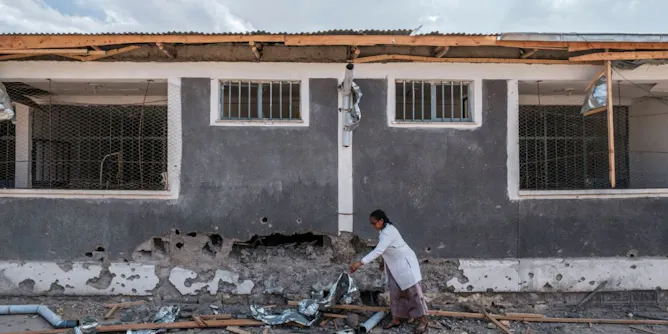
The rate and scale of the destruction of Tigray’s healthcare system is severe.
Articles on Humanitarian aid
Displaying 101 - 120 of 167 articles
L’exploitation et les abus auxquels nécessitent une réaction plus pro-active et moins passive.
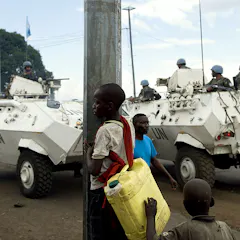
WHO’s safeguarding failure in the DRC has re-focused attention on the sexual misconduct that surfaces with disgraceful regularity in humanitarian, development, and peacekeeping operations worldwide.
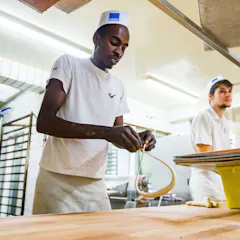
Our “Self-Reliance Index” helps organisations and governments assess how their programmes are doing in helping refugees to become self-reliant.
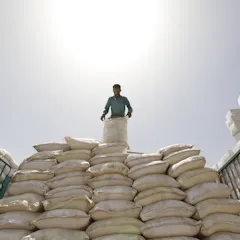
When humanitarian agencies are obliged to stop operations by political decision or because of huge physical insecurity, the poorest and most vulnerable succumb first through starvation and disease.

Though not a rich country, Colombia is unusually well equipped to handle mass migration because of its own history with political strife and displacement.
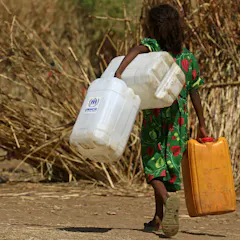
Adolescent girls can contribute to social change, economic growth, sustainable development and peaceful societies. They should be able to live their lives free from violence.
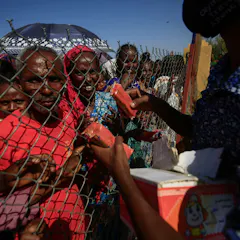
If a country refuses, or blocks, humanitarian aid this act violates international law.

The Trump White House questioned the value of foreign aid and neglected policies related to helping low-income countries. But US aid had already needed improvement.
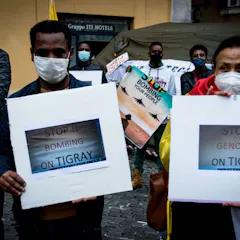
Providers of humanitarian aid haven’t been able to reach civilians in Ethiopia’s Tigray region. There are also reports that hundreds of civilians have been killed.

Side agreements signed by some wealthy nations threaten to undercut global efforts to ensure a fairly equitable worldwide vaccination effort.
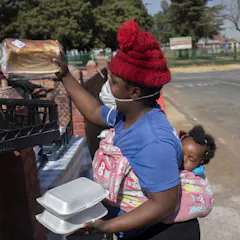
Despite the success of relief efforts by the government and civil society, it’s clear that hunger and food insecurity remain at disturbingly high levels in households.
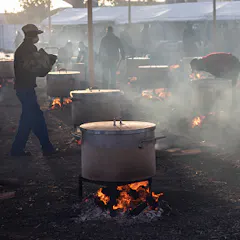
Civil society activists responding to the COVID-19 social crisis face important challenges and tensions. They should tackle these choices head-on as they develop longer-term plans.
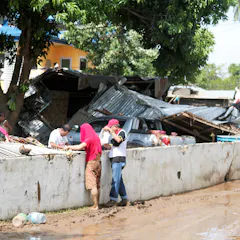
Months after Typhoon Washi tore through the Philippines in 2011, relocated residents were moving into newly built housing. They soon began modifying and extending homes that didn’t meet their needs.
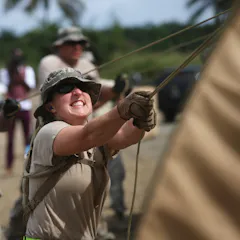
There is plenty the military could do to help protect public health, such as by helping with supply logistics and providing workers to do important tasks – including health care professionals.

A nationally mandated quarantine isn’t keeping Colombia’s armed groups at home. Despite calls for a ceasefire, they are still killing activists, threatening humanitarian workers and seizing aid.

Success during the pandemic hinges on people taking social distancing seriously. What do you do when someone doesn’t? The people who negotiate humanitarian aid in crises have some lessons for you.
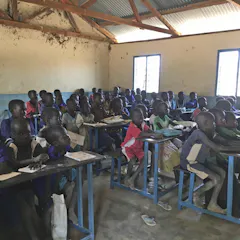
Not everyone’s a fan of this fundraising approach. But it does bring the needs of children in developing communities to the attention of many Americans.

Citing national security, Ecuador, Peru and Chile have all made it harder for Venezuelan migrants to enter the country, and xenophobia is rising across the region – even in more welcoming Colombia.
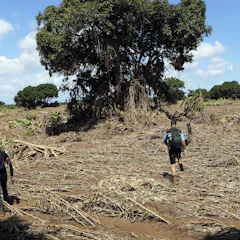
Meet the unsung aid workers who put their lives on the line during war and natural disaster to make sure the dead are treated with respect – and that their grieving families get closure.
Top contributors
-

Deputy Director of the HUMLOG (Humanitarian Logistics and Supply Chain Management Research) Institute, Hanken School of Economics
-
Lecturer in Operations Management, Lancaster University
-
Professor of Public Health, Washington University in St. Louis
-
Senior Lecturer in Operations and Supply Chain Management, Liverpool John Moores University
-
Business School Associate Director, Edge Hill University
-
Research Associate Professor, Washington University in St. Louis
-
Professor, Université de Lubumbashi
-
Lecturer in Interdisciplinary Race, Gender and Postcolonial Studies, UCL
-
Associate Research Professor of International Relations, Tufts University
-
Professor of Law, Conflict and Global Development, University of Reading
-
Director, Program on Resilient Communities, Harvard University
-
Associate Rrofessor of Philanthropic Studies, Indiana University
-
Fellow, Harvard Humanitarian Initiative, Harvard University
-
PhD Researcher, Development Studies, University of Sussex
-
Professor Emeritus in Global Health & Humanitarian Affairs, University of Manchester