

Early human development is a complex, multistep process that’s even more complicated to study in the lab. Models made from stem cells avoid some of the trouble with using real human embryos.
Articles on Human embryo research
Displaying all articles
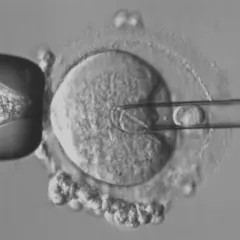
Parents at risk of passing on genetic disease to their children via mutations in the mother’s mitochondrial DNA could soon use a new IVF-based treatment involving healthy donor mitochondria.
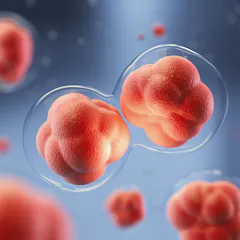
The rule, which previously acted as the upper time limit on human embryo research, has been dropped, paving the way for research on older human embryos.
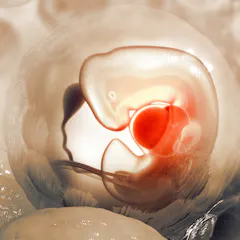
In most countries, scientific research that uses human embryos has to halt after the 14th day. New guidelines recommend the public’s input in extending the time period.
Plus, how a new wave of South African romcoms is reimagining Johannesburg. Listen to episode 17 of The Conversation Weekly podcast.

Two research groups have turned human skin cells into structures resembling an early-stage human embryo, paving the way for exciting new research avenues, and opening up some tricky ethical questions.
Top contributors
-

Professor - Emerging Technologies (Stem Cells) at The University of Melbourne and Group Leader - Stem Cell Ethics & Policy at the Murdoch Children's Research Institute, The University of Melbourne
-
Professor, Head of the Department of Anatomy and Developmental Biology and Director of the Organoid Program, Monash Biomedicine Discovery Institute, Monash University
-
Assistant Professor, Virginia Murchison Linthicum Scholar in Medical Research Department of Molecular Biology, UT Southwestern Medical Center
-
Professor, Communication and Media Studies, University of Johannesburg
-
Distinguished Research Professor, Emerita, Dalhousie University
-
co-Group Leader, Brain & Mitochondrial Research, Murdoch Children's Research Institute
-
Senior Research Fellow in Practical Ethics, University of Oxford
-
Senior Lecturer International Law, Bioethics, Emerging Tech, University of KwaZulu-Natal
-
Assistant Professor of Obstetrics and Gynecology, School of Medicine, University of Washington