

How and why preterm birth happens is still unclear, in part because research on pregnancy tends to focus on developmental biology.
Articles on Developmental biology
Displaying all articles
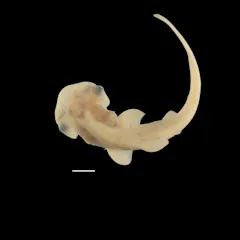
Because hammerhead sharks give birth to live young, studying their embryonic development is much more complicated than harvesting some eggs and watching them develop in real time.
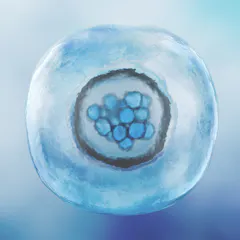
Early human development is a complex, multistep process that’s even more complicated to study in the lab. Models made from stem cells avoid some of the trouble with using real human embryos.
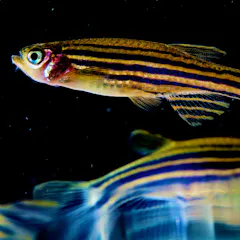
Of the many qualities that make the zebrafish a model organism, the fact that it shares 70% of the genes humans have makes it an ideal candidate for developmental biology research.
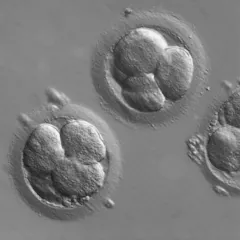
Human embryos are far more likely to die than come to term, an evolutionary trait seen across species. Laws granting personhood at conception ignore built-in embryo loss, with potentially grave consequences.
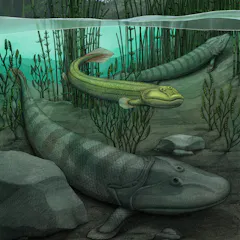
The newly discovered species – Qikiqtania – highlights evolution’s twisty, tangled path.
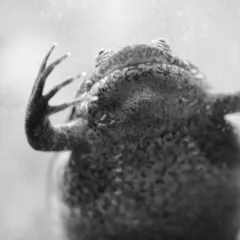
Unlike humans, many animals are able to regenerate their limbs after losing them. Giving the body the right conditions for regrowth might allow people to recover lost limbs as well.
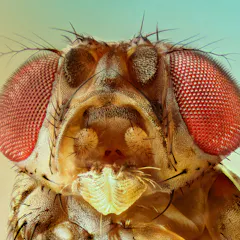
Hox genes make sure all your body parts grow in the right place. Understanding how they work can reveal the process of evolution and lead to potential treatments for congenital birth defects.

Two research groups have turned human skin cells into structures resembling an early-stage human embryo, paving the way for exciting new research avenues, and opening up some tricky ethical questions.
Top contributors
-

Professor of Cell and Developmental Biology, University of California, San Diego
-
Assistant Professor of Biology, Algoma University
-
Associate Professor of Biomedical Engineering, Washington University in St. Louis
-
Assistant Professor of Obstetrics and Gynecology, School of Medicine, University of Washington
-
Assistant Professor of Biology, Penn State
-
Professor of Biomedical Engineering, University of Wisconsin-Madison
-
Master's Candidate in Molecular, Cellular and Developmental Biology, Iowa State University
-
Associate Professor of Evolutionary Developmental Biology, University of Florida
-
Professor - Emerging Technologies (Stem Cells) at The University of Melbourne and Group Leader - Stem Cell Ethics & Policy at the Murdoch Children's Research Institute, The University of Melbourne
-
Assistant Professor of Genetics, Development and Cell Biology, Iowa State University
-
Professor of Biomedical Engineering, Tufts University
-
Associate Professor of Biology, UMass Dartmouth
-
Professor, Head of the Department of Anatomy and Developmental Biology and Director of the Organoid Program, Monash Biomedicine Discovery Institute, Monash University
-
Professor of Mechanical Engineering, Columbia University
-
Professor of Biology, Tufts University