
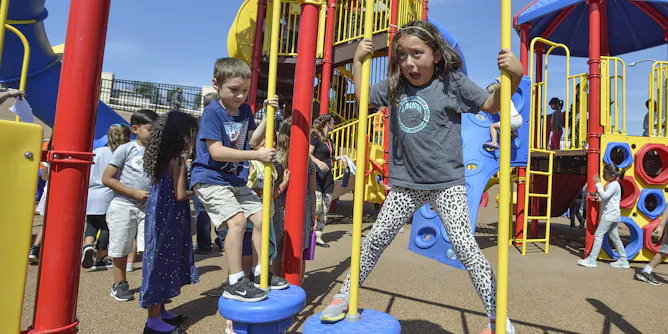
AI schools try to tailor learning to match students’ abilities. But they can’t help young people learn who they are.
Articles on How children learn
Displaying 1 - 20 of 41 articles
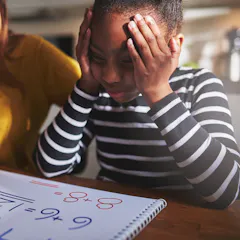
Finger counting and struggling to tell the time or use a calendar are all typical signs of dyscalculia – sometimes called ‘maths dyslexia’.
Imagining the ideal school.
A recent report suggests reception classes should spend less time playing and more time focusing on literacy and mathematics.
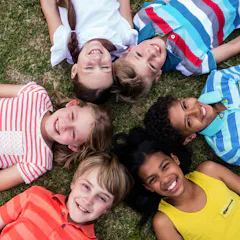
Schools have a duty to teach children morality, but which moral values should they teach?

For decades, parents have fretted over ‘screen time,’ limiting the hours their children spend looking at a screen. But as times change, so does media… and how parents should (or shouldn’t) regulate it.

Saving students through the medium of comics.
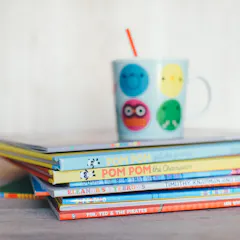
What stories can teach children about the world.

Recent research raised concerns about girls’ stereotypes on their gender’s lack of ‘brilliance.’ But an overlooked finding suggests boys also hold hindering stereotypes about themselves in school.

Forget about the expensive gifts, for young children, it’s all about the paper and the packaging this Christmas.

The quality of what pupils come to know, understand and are able to do has a big impact on students. Low quality leads to boredom as well as fear and anxiety about maths as a subject

Educational genomics could mean tailor-made curriculum programmes can be created based on a pupil’s DNA profile.

Babies first learn to recognize the rhythm and intonation of language. The process begins in the womb, where the intonation patterns are transmitted to the baby through the fluids.
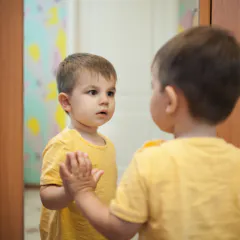
Children start to demonstrate self-awareness as they approach their second birthday – and it helps them to learn.
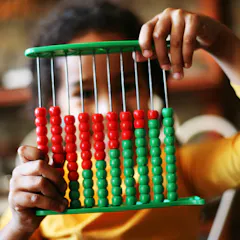
A study with pre-school children found that their motivation and interest improved when they believed they were part of a group.
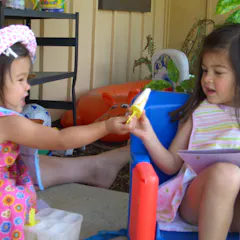
Children feel sympathy for others from an early age. Two development psychologists explain how children can learn, based on feelings of sympathy, how to act more thoughtfully.
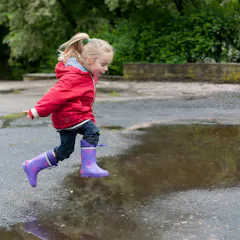
If children aren’t sufficiently coordinated, it could affect their ability to learn.
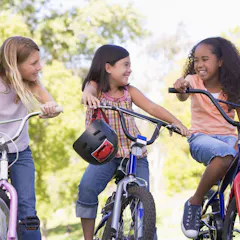
As they grow up, children learn not to talk about race, but a positive emphasis on diversity is better than teaching colourblindness.
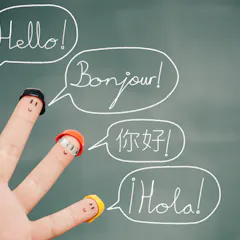
Researchers have found that some individuals have a ‘language aptitude,’ which depends on how their brain is organized.
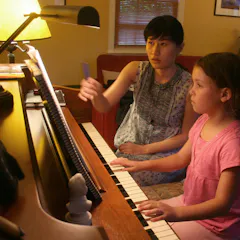
Several brain regions engage in an amazing symphony to produce music. What then are the benefits of music training on a child?
Top contributors
-

Professor of Psychology, Rutgers University - Newark
-
Research Investigator, University of Michigan
-
Postdoctoral Research Associate, Goldsmiths, University of London
-
Lecturer, Goldsmiths, University of London
-
Professor of Learning Analytics, Institute of Educational Technology, The Open University
-
Professor of Psychology, University of Reading
-
PhD candidate, Institute of Educational Technology, The Open University
-
Professor of Psychology and Head of Department, Goldsmiths, University of London
-
Senior lecturer, School of Psychology, University of Aberdeen
-
Lecturer in Early Years & Education, University of Hull
-
Former Senior lecturer in Psychology
-
Professor of Language and Literacy Education, Georgia State University
-
Associate Professor of Literature and Translation, University of East Anglia
-
Senior Clinical Lecturer in Child Psychiatry, University of Aberdeen
-
Assistant Professor of Cybersecurity Education, University of South Florida