

Coming to grips with the economics of roses can be a thorny issue.
Articles on Horticulture
Displaying 21 - 40 of 52 articles
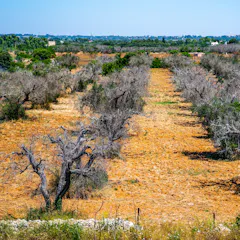
The meadow spittlebug can transmit a deadly bacterium – many plants in Britain could be at risk.
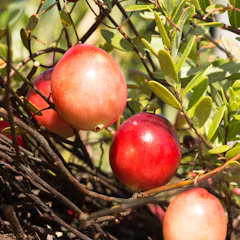
Cranberries add color and acidity to Thanksgiving menus, but they also have many interesting botanical and genetic features.
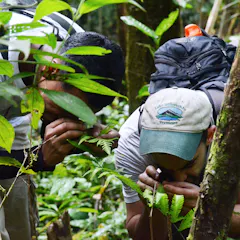
Botanizing is the practice of observing and appreciating plant life. Two plant scientists explain how it benefits people and the planet.

According to a new UN report, invasive species do more than US$423 billion in damage worldwide every year. Four articles explore examples, from mollusks to poisonous fish.

A 90% crop loss in the Peach State may sound like a disaster, but Georgia isn’t actually the Big Apple of peach production that it claims to be.

Climate change is bringing heightened droughts, heat stress and floods. For our fruit trees, that means tougher conditions. To prepare means mining their genomes to hunt for resilience.
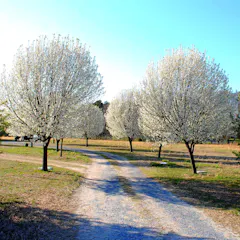
They’re beautiful in bloom, but Callery pear trees crowd out native plants and turn productive open land into woody thickets.
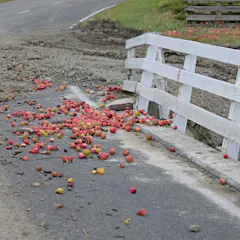
Horticulture underpins the local economy in areas devastated by Cyclone Gabrielle. Climate change may mean some parts of the region will become less suitable for crop production during this century.

New research finds that some common houseplants take in nutrients from outside the soil.
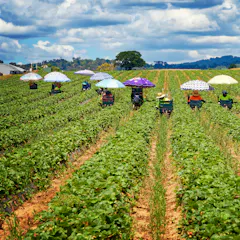
Since borders reopened, backpacker numbers have have failed to recover as hoped.
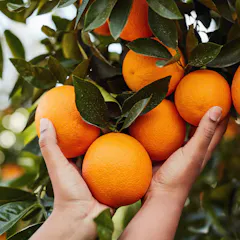
South Africa’s agricultural exports are vulnerable because of reliance on a few markets and weaknesses in domestic logistics chains.
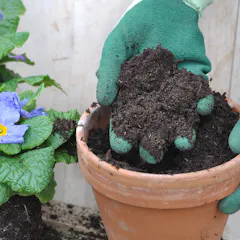
Potting soils are helping plant seeds travel. Is it benign or harmful?
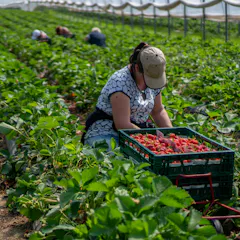
Australia’s Fair Work Commission has struck out a legal loophole allowing employers to pay farm workers exploitative piecemeal rates.

The plants a Roman chose could say a lot about the person they were.
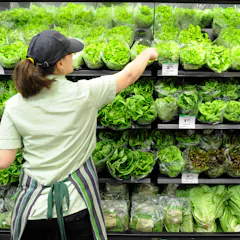
Australia’s farmers may not be able to do without foreign workers coming into the country.
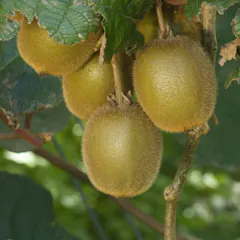
New Zealand is a net exporter of many fruit and vegetables. While climate-change induced food shortages are not an imminent risk, some crops may be affected by rising temperatures and extreme weather.
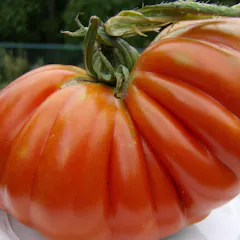
Have you recently harvested a big fruit from your garden? Here an expert’s tips on how to go from jumbo to gargantuan with your tomatoes.

Indoor plant factories have high energy costs since LEDs replace the sunlight outdoor plants get for free. Scientists found a way to dial back how much light is needed by breaking it into tiny bursts.

Fruit ripening is all about plants getting animals to eat the seeds that are inside their fruits. This helps the plants get their seeds to somewhere new where they can grow into a new plant.
Top contributors
-

Senior Research Associate, School of Agriculture, Food and Ecosystem Sciences, The University of Melbourne
-
Senior Extension Specialist in Horticulture and Landscape Architecture, Oklahoma State University
-
Professor of Biology, University of Dayton
-
Professor of Horticultural Sciences and Plant Molecular and Cellular Biology, University of Florida
-
Senior Fellow, Department of Agricultural Economics, Stellenbosch University
-
Adjuct Lecturer, Adelaide University
-
Moran Professor of Conservation and Development, University of Cambridge
-
B.S. Student of Biochemistry and Molecular Biology, University of Maryland, Baltimore County
-
Senior Principal Research Scientist, Ecosystem Sciences, CSIRO
-
Associate Professor, University of Guelph
-
Professor of Agricultural Biotechnology, Western Sydney University
-
Professor of Biological Sciences, University of Maryland, Baltimore County
-
University of Arkansas
-
Research Professor, Graduate Faculty in Plant Molecular and Cellular Biology, University of Florida
-
Researcher in Ecology, Universidade Federal do Pará (UFPA); Empresa Brasileira de Pesquisa Agropecuária (Embrapa)