

A weekly oral pill would give people living with HIV greater treatment choice.
Articles on HIV treatment
Displaying all articles

Pepfar, a global initiative to fight HIV/Aids, has saved millions of lives since its launch in 2003. Now its future is uncertain.

The U.S. funded HIV/AIDS program PEPFAR has saved over 25 million lives since it began in 2003.
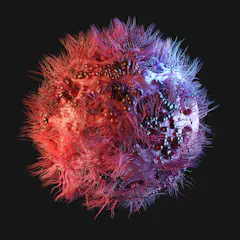
HIV prevention and treatment have made great strides, but barriers created by stigma, laws and logistics remain.

The benefit of an injectable product is that it avoids the adherence issues related to taking a pill daily.

Current HIV criminal laws increase HIV stigma and discrimination against marginalized people – and negatively affect public health.
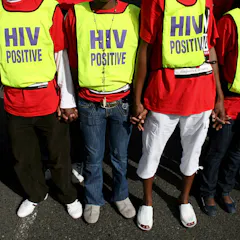
There’s an urgent need for interventions to increase uptake of antiretroviral therapy and improve services for adolescents.
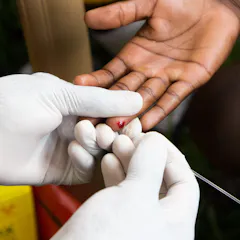
Knowing your HIV status is key to accessing life-saving treatment or evaluating the best prevention options.
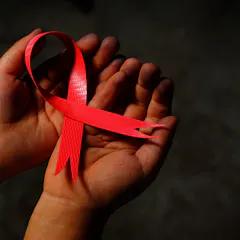
The first global comparison of adolescents that acquired HIV as newborns highlights the challenges around treatment.
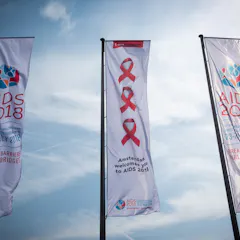
The HIV epidemic is far from over and it’s not time to disengage, says International Aids Society President Linda-Gail Bekker.

In many parts of sub-Saharan Africa men who have sex with men encounter stigma and prejudice when accessing health services.

The placenta could hold the answers to why HIV positive women report higher rates of premature deliveries.

South Africa’s data rollout of its pre-exposure prophylaxis shows that there is a relatively slow, but increasing, uptake. However, more needs to be done to target young women.
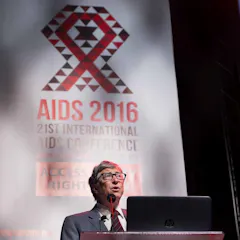
Bill Gates, who has been identified as the world’s most significant donor in the fight against AIDS, shares his thoughts on the pandemic with Africa’s most prominent HIV/AIDS academics.
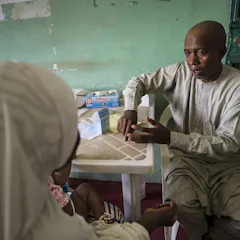
Effectively decentralising HIV and AIDS treatment services helps to improve universal health care. But in Nigeria this approach comes with many challenges.

The focus of the 2016 International AIDS Conference has on access to necessary antiretrovirals, equity and making sure no-one is left behind. But there is a funding gap that needs to be addressed.

Current epidemiological and financial trends suggest there’s a major risk of a substantial shortfall in the funds required to sustain life-saving antiretroviral programmes.

The closure of several mines in South Africa and production cuts could have a detrimental impact on the health of miners who rely on in-house HIV and TB treatment programmes.
Although men make up two-thirds of HIV-related deaths, there are not enough services geared towards helping them.
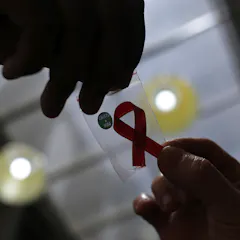
With nearly one-fifth of the globe’s HIV positive population, South Africa has the largest anti-retroviral program in the world. But HIV prevention still presents a big challenge for the country.
Top contributors
-

Professor of medicine and deputy director of the Desmond Tutu HIV Centre at the Institute of Infectious Disease and Molecular Medicine, University of Cape Town
-
Associate Professor and Director: Research at the Wits Reproductive Health and HIV Institute I, University of the Witwatersrand
-
Ezintsha, Faculty of Health Sciences, University of the Witwatersrand, University of the Witwatersrand
-
Director of Implementation Science, Wits Reproductive Health & HIV Institute, University of the Witwatersrand
-
Lecturer in the Department of Community Medicine, University of Nigeria
-
Extraordinary Professor in the Department of Medical Microbiology, University of Pretoria
-
Former Head of the school of Public Health, Makerere University
-
Honorary doctorate, Addis Ababa University
-
Associate Professor and Director of the Centre for Infectious Diseases Epidemiology and Research, University of Cape Town
-
Extraordinary Professor, Global Health, Stellenbosch University; South African Medical Research Council
-
Vice-Chancellor, SOAS, University of London
-
Principal investigator, Kenya Medical Research Institute
-
Honorary Senior Lecturer, School of Public Health, University of Cape Town
-
Director: Health Programmes in Special Populations, Aurum Institute
-
Senior lecturer in Paediatrics and Child Health, Stellenbosch University