
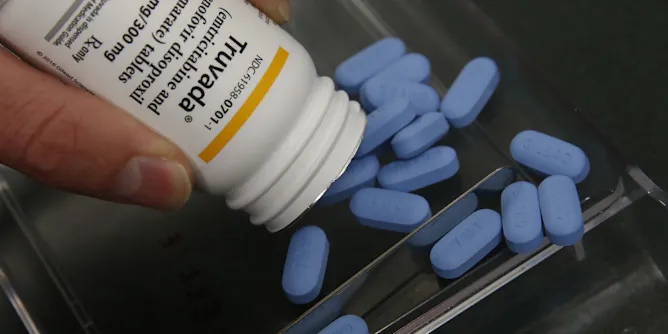
Facebook began blocking ads that linked Truvada and other HIV-related drugs to severe bone and kidney damage based on claims made in lawsuits.
Articles on HIV prevention
Displaying 21 - 40 of 54 articles
Eradicating a virus from the community requires everyone to have access to prevention, as is the case with tuberculosis. So why not HIV?
In many parts of sub-Saharan Africa men who have sex with men encounter stigma and prejudice when accessing health services.

South Africa’s data rollout of its pre-exposure prophylaxis shows that there is a relatively slow, but increasing, uptake. However, more needs to be done to target young women.
Three new HIV vaccine concepts which rely on high-tech designer proteins are being trialled to see if they can stop the virus.
South Africa has made tremendous progress towards meeting the 90-90-90 targets but there are some challenges preventing it from reaching the goals set by UNAIDS.
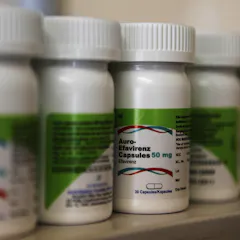
The introduction of Pre Exposure Prophylaxis drugs in Kenya aims at reducing new HIV infections among people facing substantial ongoing risk.

At a time when a new national school curriculum is starting its pilot phase in Kenya, a study shows the massive gaps in sexuality education programmes.

Medical circumcision in settings where there are high rates of HIV will only be successful if these interventions take into account local beliefs about circumcision.
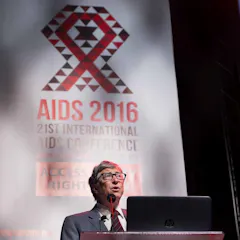
Bill Gates, who has been identified as the world’s most significant donor in the fight against AIDS, shares his thoughts on the pandemic with Africa’s most prominent HIV/AIDS academics.

Online social networking technologies have been linked with increased risky sexual behaviour – and Swaziland is no different.
Trials have shown that rates of HIV infection are reduced if people not infected with HIV take anti-retrovirals - known as pre-exposure prophylaxis (PrEP). But adherence to a daily dose is a problem.

Ignoring those at ‘high risk’ of HIV in order to sustain the idea of the ‘good’ gay man will only perpetuate the virus.
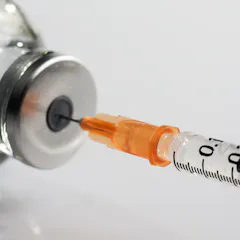
For the next five years South Africa will be leading one of the latest large-scale trials for a vaccine for HIV.

The focus of the 2016 International AIDS Conference has on access to necessary antiretrovirals, equity and making sure no-one is left behind. But there is a funding gap that needs to be addressed.
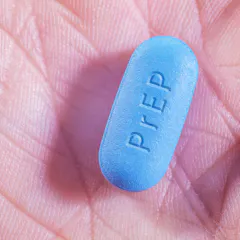
Efficacy is estimated to be as high as 99% in men who have sex with men who take Truvada daily.

If the vaginal ring becomes available for commercial use it will become one of the tools in the HIV prevention toolbox for women alongside female condoms and daily pre-exposure prophylaxis.
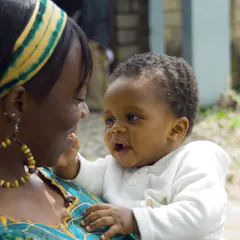
South Africa’s programmes preventing HIV transmission from mothers to children have been hugely successful. But there are still gaps that need to be filled.
Although men make up two-thirds of HIV-related deaths, there are not enough services geared towards helping them.

Thanks to treatment advances, people with HIV can and do live long and full lives. And that has led to a challenge that doctors and patients may not have imagined 35 years ago: the aging HIV patient.
Top contributors
-

Professor of medicine and deputy director of the Desmond Tutu HIV Centre at the Institute of Infectious Disease and Molecular Medicine, University of Cape Town
-
Associate Professor, Public Health Ethics, School of Population Health, UNSW
-
Associate Professor and Director: Research at the Wits Reproductive Health and HIV Institute I, University of the Witwatersrand
-
Ezintsha, Faculty of Health Sciences, University of the Witwatersrand, University of the Witwatersrand
-
Assistant Professor of Public Health, University of Iowa
-
Director of Implementation Science, Wits Reproductive Health & HIV Institute, University of the Witwatersrand
-
Principal Research Fellow, Australian Research Centre in Sex, Health and Society, La Trobe University
-
Assistant Professor of Marketing Weber State University, Weber State University
-
Honorary Senior Lecturer, School of Public Health, University of Cape Town
-
Associate Professor of Psychology, Indiana University
-
PhD candidate, Ghent University
-
Extraordinary Professor in the Department of Medical Microbiology, University of Pretoria
-
Director: Child & Adolescent Health at the Wits Reproductive Health and HIV Institute, University of the Witwatersrand
-
Director: Clinical Trials, Wits Reproductive Health and HIV Institute, University of the Witwatersrand
-
Assistant Professor of Global Health, Boston University