
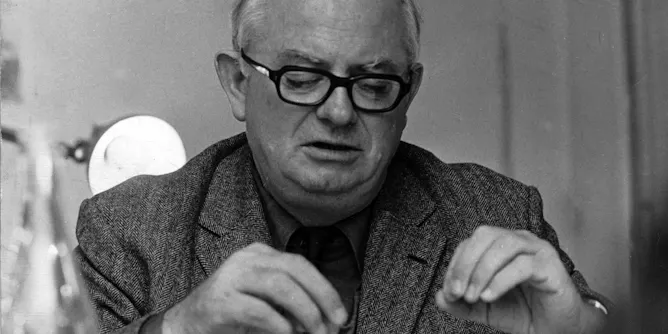
Wilfred Burchett wrote stories about war that the Australian and US governments preferred not to be told. For this, he paid the price.
Articles on Hiroshima and Nagasaki atomic bombs
Displaying 21 - 29 of 29 articles
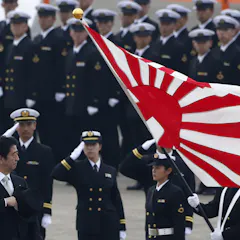
In the West, it is often forgotten that 1945 marks the end of not only the second world war but also of a much longer period of political and social upheaval in Asia.
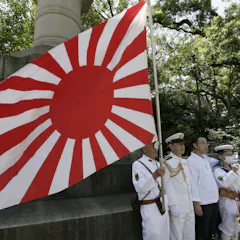
Japan has never apologised for many of the things it did during World War II – and nor does it tell its schoolchildren about them.

Any nuclear weapon exchange or major nuclear plant meltdown will immediately lead to a global public health emergency. What can we learn from past events to help prepare?
It’s not just about weapons, nuclear science has changed practically everything around us – for the better.
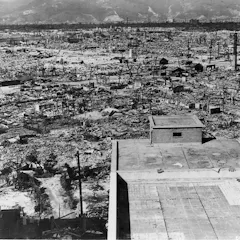
US military censors contained information after the bombings at Hiroshima and Nagasaki, leaving Americans with a limited understanding of the impact of radiation.
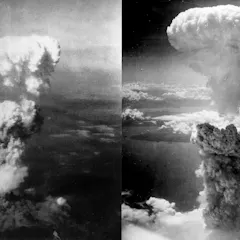
From the air and on the ground: the reporters who told the HIroshima and Nagasaki stories to the American public.
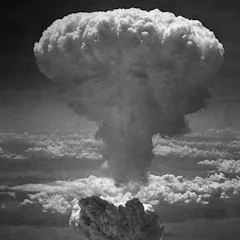
News of the Hiroshima bombing spread quickly to the US public but, thanks to science fiction writers, atomic bombs were discussed more before the war began than during it.
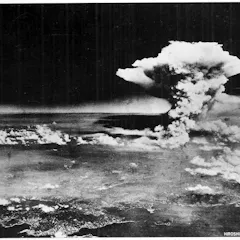
Today’s nuclear arsenals are so powerful that dropping a Hiroshima-size bomb every two hours for 70 years would not exhaust their destructive capacity. The global disarmament regime is broken.
Top contributors
-

Affiliated Researcher, The Open University
-
University Professor Department of Health Policy & Management, University of Georgia
-
Carole Sargent is a Friend of The Conversation.
Literary Historian, Georgetown University
-
Honorary Principal Fellow, School of Population and Global Health, The University of Melbourne
-
Scientist-in-Residence and Adjunct Professor, Middlebury College
-
Researcher in Security and Defence, the Policy Institute at King's, King's College London
-
Assistant Professor of History, Mississippi State University
-
Pro Vice-Chancellor Research and Professor of International Studies, La Trobe University
-
Professor of Archaeology, Linnaeus University
-
Professor in Human Rights and International Law, University of Newcastle
-
Emeritus Professor of International Law, Western Sydney University
-
Professor of History, Claremont Graduate University
-
Lecturer, National Centre for Australian Studies, Faculty of Arts, Monash University
-
Senior Lecturer in the Politics of Japan, University of Kent
-
Senior Research Fellow, Institute of Commonwealth Studies, School of Advanced Study, University of London