

Sugar triggers dopamine “hits” in the brain, making us crave more of it. Sugar also disrupts memory formation.
Articles on Hippocampus
Displaying 21 - 40 of 45 articles
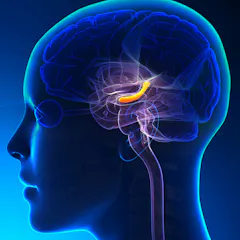
Researchers have discovered that the hippocampus and neocortex work together.
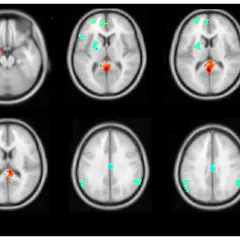
The brain can do a lot, but it is vulnerable, especially to traumatic events. Over the years, researchers have learned the unique ways in which it is damaged by experiencing or witnessing trauma.

What you remember of your last meal affects when and how much you eat next time around. Neuroscientists have now identified neurons in the brain’s hippocampus that are crucial to this process.

A Sept. 14 report on drug use suggested that opioid use has declined. But troubling trends in drinking among teens and young adults stood out. An addiction specialist explains the unique dangers.

Experiencing and witnessing violence in their communities can lead to emotional, social and cognitive problems for kids. A new study shows it affects how their developing brains grow, as well.

Study of the “memory centres” of the brain in adults offers hope for detecting Alzheimer’s disease earlier – before the onset of memory loss.
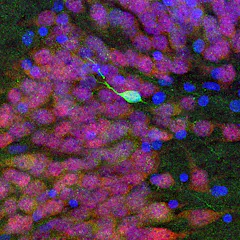
The scientists behind a controversial new study were surprised by their own results. But they carefully did all they could to ‘prove a negative,’ and their neurogenesis study is shaking up the field.

Rats were less able to find food after only three days on a diet high in sugar and saturated fat. So could a bad diet also be affect the human brain?

Our memories provide us with insight into events, knowledge of the world around us and influence our actions and behaviours – forming important aspects of our personality.

Many regions fundamental to mood are buried deep in the most primordial parts of the brain; that is, they are thought to have been among the first brain regions to develop in the human species.

Tiny particles of a mineral known as magnetite may be causing havoc with our health.

Running causes new brain cells to grow. But why does this happen? What is the evolutionary advantage?

Brain imaging study shows that we forget the context in which a traumatic event take place which could be crucial to avoiding negative loops.

Could the not-too-distant future hold “brain chip” technologies that we could all use to enhance our memories to the point of perfection? Not so fast: there are big benefits to forgetting.
‘Place cells’ in the hippocampus are thought to guide us through our space but they may play a part in helping us to imagine future scenarios.
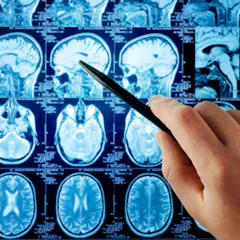
Brain damage is caused by persistent depression rather than being a predisposing factor for it, researchers have finally concluded after decades of unconfirmed hypothesising.
Do you eat only when you’re actually hungry? Many of us eat even when our bodies don’t need food. Just the thought of food entices us to eat. We think about food when we see other people eating, when we…
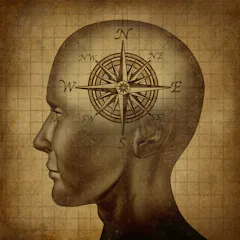
If you have taken a walk and would like to return home you need to have an idea of where you are in relation to your destination. To do this, you need to know which way you are facing and also in which…

We all know that exercise is good for our bodies, but current research is revealing that it is also good for our brains. Exercise has been shown to boost executive functions such as planning, working memory…
Top contributors
-

Senior Lecturer (Adjunct), Nutritional neuroscientist, Adelaide University
-
Professor of Cognitive Neuroscience, UCL
-
Head of Developmental Psychobiology Lab, Deakin University
-
Scientist at the Rotman Research Institute, Baycrest Health Sciences, and Assistant Professor, University of Toronto
-
Professor of Environmental Humanities, University of Kent
-
Associate professor, University of Sydney
-
Director of the Center for Behavioral Neuroscience and Professor of Psychology, American University
-
Associate Professor of Zoology, University of Oxford
-
Professor in Neuroscience, The Open University
-
Associate Professor of Communication Science and Disorders, Texas Woman's University
-
Director School of Medicine and Psychology, Australian National University
-
Post-doc in Neurological Surgery, School of Medicine, University of California, San Francisco
-
Associate Professor of Medicine, University of Florida
-
Professor of Biological Sciences, Macquarie University
-
Research associate, UCL