

The same principles that help athletes on the court, field or track can help you regulate stress and adapt to changes in everyday life.
Articles on Amygdala
Displaying 1 - 20 of 22 articles

Researchers have found dreams are most likely to occur during the stage of sleep known as rapid eye movement, or REM.

Neuroscientists found that music cannot only influence your emotions in the present − it can also alter how you remember your memories.
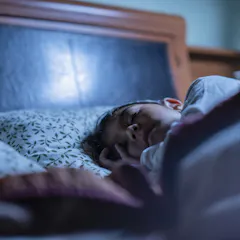
Less sleep and later bedtimes are linked to a section of the brain involved in emotion regulation suffering reduced growth, along with weaker connections to other brain areas.

In a systematic review of existing studies, researchers found that air pollution such as fine particulate matter can interfere with regions of the brain responsible for emotional regulation.

The latest findings add to the understanding of how social disadvantage such as poverty and low-quality, unsafe housing can affect early child development.

Children who grow up in disadvantaged areas seem to react more strongly to facial expressions showing anger or fear. But social connections between neighbours can help.
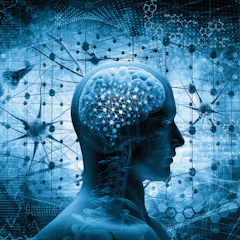
Emotions play a key role in many types of spontaneous thoughts. Even microemotions — which are often fleeting and unconscious — can affect thoughts and influence attention.

Students say they have a hard time studying and cognitive science proves they’re not trying to dodge work: there’s a link between negative emotions and difficulties in concentrating.

It can feel like everyone is stewing in anxiety about COVID-19 and seeing other people freak out can make you freak out more. A psychiatrist explains this phenomenon, and how to keep it in check.
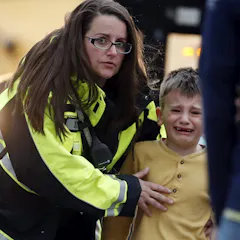
Mass shootings bring terror in ways that people watching from afar can only imagine. And yet, society at large is also affected, a trauma psychiatrist writes.

Almost a third of American adolescents have anxiety disorders. Researchers in developmental neuroscience are figuring out that how the brain matures over time may be part of the reason why.

Two neural systems record traumatic memories, meaning they can be remembered in both conscious and unconscious ways.

Our neural circuits lead us to find comfort in those like us and unease with those who differ, resulting in a battle between reward and distrust. But these brain connections aren’t the end of the story.

Experiencing and witnessing violence in their communities can lead to emotional, social and cognitive problems for kids. A new study shows it affects how their developing brains grow, as well.

Jamie Carragher blamed a moment of madness for spitting at car passengers. But where do these moments come from?

We may pretend that we do not like fear, but Halloween proves otherwise. Many of us enjoy being scared. But why?

Alcohol contributes to close to 90,000 deaths a year. Because repeated binge drinking damages the brain, it’s hard to know when we’ve developed a problem. Here are some things to consider.

Many regions fundamental to mood are buried deep in the most primordial parts of the brain; that is, they are thought to have been among the first brain regions to develop in the human species.
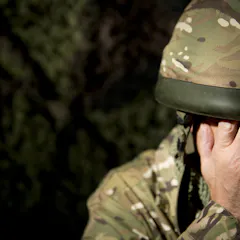
Brain imaging study shows that we forget the context in which a traumatic event take place which could be crucial to avoiding negative loops.
Top contributors
-

Independent Researcher, University of Michigan
-
Professor of Physiology and Neurobiology, Dean of Faculty Affairs, Geisel School of Medicine, Dartmouth College
-
Professor of Psychiatry, Wayne State University
-
Postdoctoral fellow, Penn State
-
Senior Lecturer in Psychology, The University of Melbourne
-
Assistant Professor of Psychiatry, Wayne State University
-
Assistant Professor of Psychology, Yale University
-
Associate Professor of Psychology, Nottingham Trent University
-
Professor of Psychology, USC Dornsife College of Letters, Arts and Sciences
-
Professor, neuropsychology, Université du Québec à Montréal (UQAM)
-
Professeure en psychologie de l'éducation, Université TÉLUQ
-
Senior Research Fellow, The Perron Institute for Neurological and Translational Science, and Faculty of Health Sciences, Curtin University
-
Postdoctoral Research Fellow in Psychiatry and Behavioral Neurosciences, Wayne State University
-
Ph.D. Candidate in Cognitive Neuroscience, Colorado State University
-
Assistant Professor of Psychology, Colorado State University