
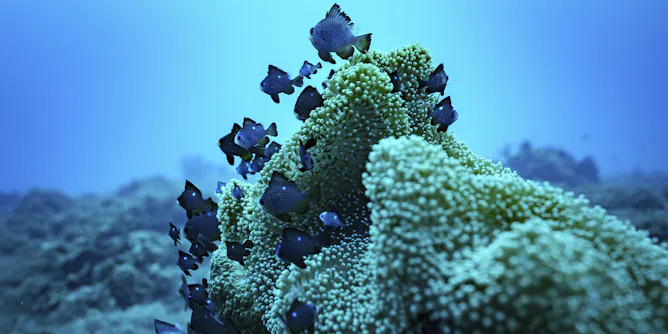
The High Seas Treaty requires a secretariat to co-ordinate between parties, service meetings, manage information and keep the machinery running.
Articles on High seas
Displaying all articles
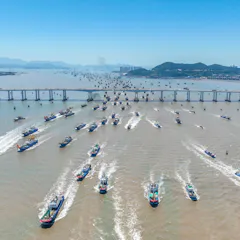
The expansion of Arctic shipping, scramble for seafloor mining and overfishing are all straining international relationships. But the powers of diplomacy go beyond ocean treaties.
Marine conservationist Callum Roberts explains the significance of the new high seas treaty, and the grey areas it still leaves for our oceans.
The film made us afraid to go back in the water. It ultimately gave sharks more to fear from us.
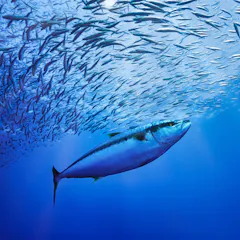
After 20 years of intense debate, the world looks set to have a treaty protecting marine life out beyond national waters.
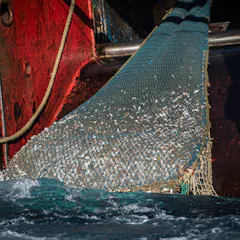
For years, Australia and New Zealand have been united in working for sustainable fishing in the South Pacific. That just changed.
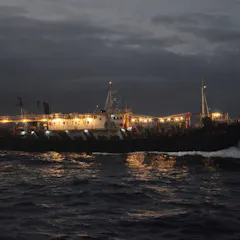
Almost all the growth in global squid fishing has happened in unregulated waters, meaning fishing crews aren’t subject to conservation or marine management programs.
A handful of wealthy states have so far monopolised the benefits of exploring the remote ocean.
It took almost 20 years. but the world has finally agreed on the so-called High Seas Treaty to better protect marine life in unregulated waters
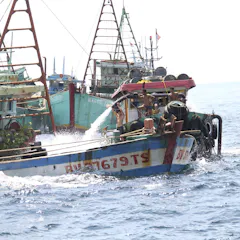
Understanding when, where and why fishing vessels sometimes turn off their transponders is a key step toward curbing illegal fishing and other crimes on the high seas.
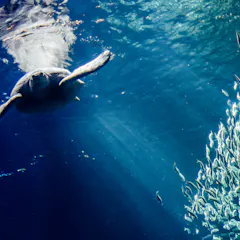
The ocean moderates climate change by absorbing CO₂ emissions, hosts valuable biodiversity and provides food to millions, but all of these services are threatened by pollution and human activities.
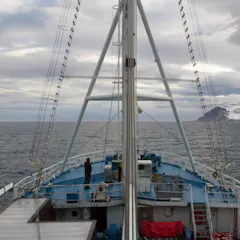
The UN’s Ocean Decade demands collaborative action across disciplines, nations, communities, and generations, and its success relies on diverse voices that represent current and future ocean leaders.
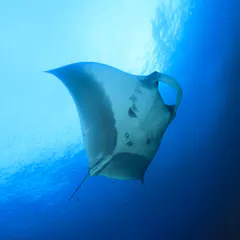
A high seas treaty could help rebuild populations – but time is running out.
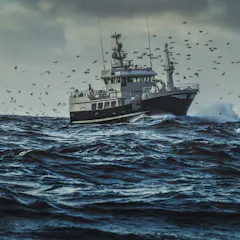
Forced labor is a widespread problem in fisheries on the high seas. Between 2012 and 2018, an estimated 100,000 people may have been victims of forced labor on thousands of different boats.
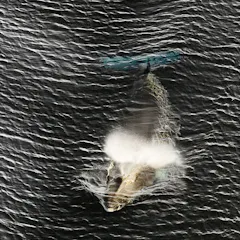
Global leaders pledged to protect 10% of the oceans by 2020. We’re nowhere close and the goal has proven particularly challenging to achieve in international waters.
Top contributors
-

Associate Professor in Maritime Law and Academic Barrister, University of Wollongong
-
Professor of Marine Ecology, University of Southampton
-
Research Associate, Institute for Marine and Antarctic Studies, University of Tasmania
-
Programme director IMR Global Development, Institute of Marine Research, professor, University of Bergen
-
Senior Environmental Advisor | PhD, University of Canterbury
-
Professor of Human Ecology and Law, Rutgers University
-
Research Associate, Research Institute for Sustainability – Helmholtz Centre Potsdam
-
Associate Professor and Deputy Dean of Knowledge Enterprise for the Thunderbird School of Global Management, Arizona State University
-
Host, The Conversation Weekly Podcast, The Conversation
-
Professor of Marine Conservation, University of Exeter
-
Postdoctoral Fellow of Ocean Diplomacy and Leadership, Arizona State University
-
Senior Project Researcher, University of California, Santa Barbara
-
Associate Professor in Ocean Stewardship, Stockholm University
-
Professor, University of Wollongong
-
Research Fellow, University of Wollongong