
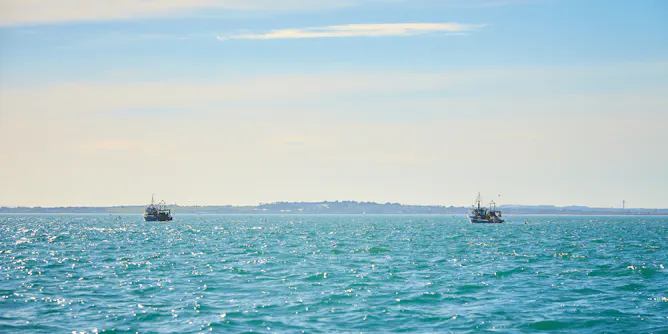
Marine scientific cooperation, sustainable resource management and conservation can help prevent conflict and foster trust among nations.
Articles on High Seas Treaty
Displaying all articles

The High Seas Treaty requires a secretariat to co-ordinate between parties, service meetings, manage information and keep the machinery running.
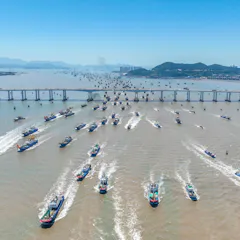
The expansion of Arctic shipping, scramble for seafloor mining and overfishing are all straining international relationships. But the powers of diplomacy go beyond ocean treaties.
Marine conservationist Callum Roberts explains the significance of the new high seas treaty, and the grey areas it still leaves for our oceans.
The High Seas Treaty comes into force in January. New Zealand lags behind on several fronts, including marine protection and recognition of Māori customary rights.
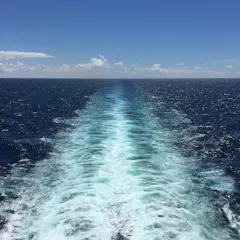
New marine protected areas may hinder lucrative deep sea mining.
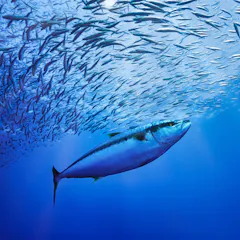
After 20 years of intense debate, the world looks set to have a treaty protecting marine life out beyond national waters.
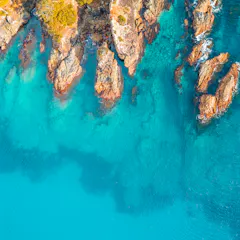
Two international ocean science and policy meetings this month have called on nations to be more ambitious in their efforts to protect and restore marine ecosystems.
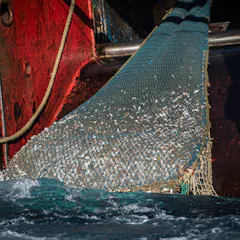
For years, Australia and New Zealand have been united in working for sustainable fishing in the South Pacific. That just changed.
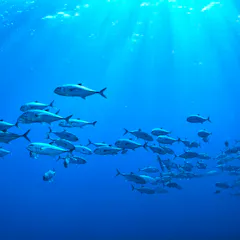
Recent research shows how reducing overfishing is both an ecological imperative and a critical means to addressing climate change.
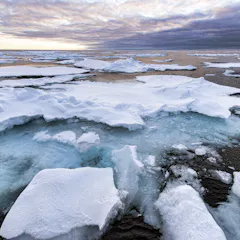
Norway has become the first nation on earth to allow deep-sea mineral exploration. But opening this industry could put Norway in murky legal waters.
Top contributors
-

Professor of Marine Sciences, University of Auckland, Waipapa Taumata Rau
-
Professor in Human Geography, University of Auckland, Waipapa Taumata Rau
-
Professor of Law and Rutherford Discovery Fellow, University of Canterbury
-
Professor of Marine Science, University of Auckland, Waipapa Taumata Rau
-
Associate Professor and Deputy Dean of Knowledge Enterprise for the Thunderbird School of Global Management, Arizona State University
-
Professor of Marine Conservation, University of Exeter
-
Research Associate, Institute for Marine and Antarctic Studies, University of Tasmania
-
Associate Professor of Marine Science, University of Waikato
-
PhD Candidate in Law, University of Canterbury
-
Professor of Coastal Oceanography, University of Auckland, Waipapa Taumata Rau
-
Associate Professor in Maritime Law and Academic Barrister, University of Wollongong
-
Lecturer in Environmental and Marine Law, University of Galway
-
Professor, Geography Department and School of Public Policy & Global Affairs, University of British Columbia
-
Master's Student, Geography, University of British Columbia
-
Associate Professor in Ocean Stewardship, Stockholm University