

As our climate warms, beavers are appearing sooner and moving northward. This could have implications for the environment and human infrastructure.
Articles on Hibernation
Displaying 1 - 20 of 27 articles

The ability of queen bumblebees to breathe and survive underwater could play an important — and previously overlooked — role in the resilience of threatened bee populations.
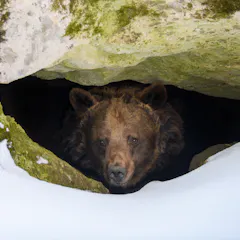
While humans lose muscle within weeks of inactivity, brown bears preserve muscle during hibernation, offering clues for maintaining our muscle health.
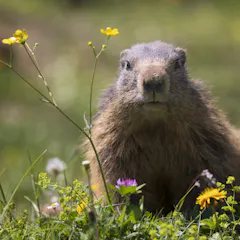
Groundhogs predict spring with the same accuracy as flipping a coin. But they’re vital to their ecosystems, feasting through summer to store enough fat to last through their winter hibernation.

Bugs that buzz and flutter at other times of year are conspicuously absent during winter months.
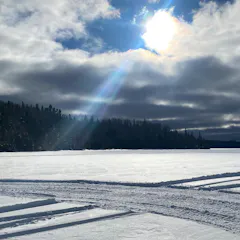
Canadians are no strangers to cold winters, when everything in nature appears to be frozen solid. However, under the ice cover of lakes, many animals remain active during the winter.

Current data shows dormice are dramatically declining, but more accurate survey methods could yield different results.

Animals that hibernate live longer, so could hold clues on how to slow down ageing.
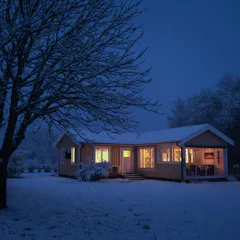
Some of winter’s effects have been tied to cultural norms and practices, while others likely reflect our bodies’ innate biological responses to shorter days and colder weather.
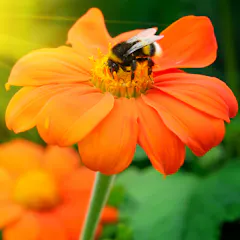
Seventy-two per cent of native bumblebee species in North America are cutting their winter hibernation short by timing their emergence to earlier spring onsets.
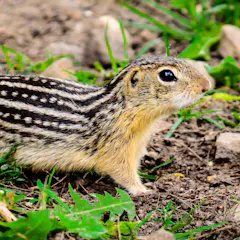
Months not eating or moving don’t result in muscle wasting and loss of function for animals that hibernate. New research found gut microbes help their hosts hold onto and use nitrogen to build proteins.
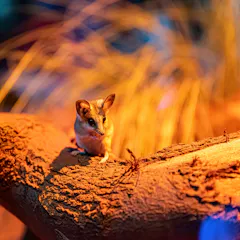
Once thought to occur only in birds and mammals in the Northern Hemisphere, due to the more pronounced winters, we now know torpor is widespread in small Australian mammals.
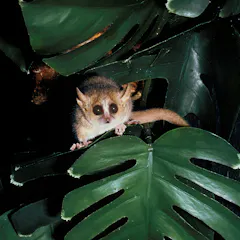
Gray mouse lemurs are more closely related to humans than mice. They also have the ability to hibernate, and researchers are hoping to learn how to transfer that ability to humans.
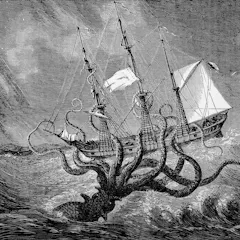
Jumbo squids live in extreme environments. Tiny genetic modifications allow them to move back and forth from the surface of the ocean to its bottom, killing and eating everything in their path.
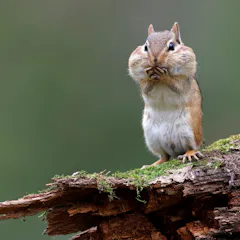
Squirrels and chipmunks are distant cousins who have grown a little more apart from each other over millions of years.
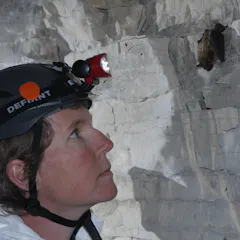
Researchers are puzzled by a fungus that is killing millions of bats.
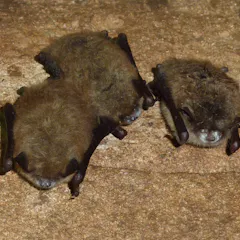
It’s been a deadly summer for Australia’s wildlife. But beyond the fires, we need to act now to protect bats – which make up a quarter of Australian mammal species – from a silent overseas killer.
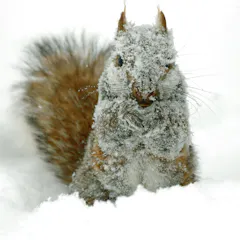
When you’re warm and cozy inside, it can be natural to wonder if the animals you see outside your window this winter are doing OK. Don’t worry – they’re doing better out there than you would.
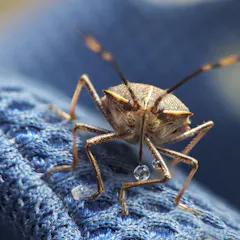
With the onset of cooler temperatures and shorter days, some insects pack-up and migrate to warmer climates. Others, including stink bugs, take up residence in our homes.
Crisp temperatures, ice-capped ponds and frozen landscapes send animals scurrying for cover. But just what do turtles do when winter takes hold?
Top contributors
-

PhD Candidate in Molecular Biology, Carleton University
-
Professor of Biochemistry, Carleton University
-
Professor of Sleep Physiology, University of Oxford
-
Lecturer in Experimental and Social Psychology, University of Edinburgh
-
Research Assistant Professor in Wildlife Ecology and Conservation, University of Florida
-
Lecturer in Management, Abertay University
-
PhD student, University of Wyoming
-
Lecturer in Biomedical Science, Lancaster University
-
Emeritus Professor of Biology, Penn State
-
Ph.D. Student in Biochemistry and Molecular Biology, Carleton University
-
University of Saskatchewan
-
Professor, Department of Biology, Laurentian University
-
Professor Emerita, Augustana - Sciences, University of Alberta
-
Associate Professor of Psychology, Arizona State University
-
Research fellow, Environmental Futures Research Institute, Griffith University; Estación Biológica de Doñana (EBD-CSIC)