
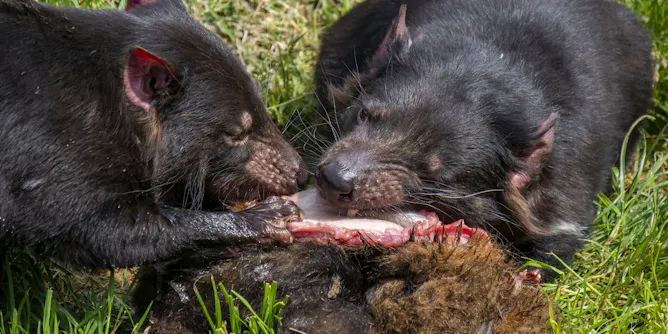
Animals that feed on infected carcasses could be accelerating the spread of the H5N1 strain.
Articles on Herbivores
Displaying 1 - 20 of 23 articles
Invasive alien species don’t only drive out other native species, they also dramatically transform soils, water and ecosystems. A new assessment tool aims to pinpoint the negative environmental impacts.
By studying antelope fossils, researchers can revisit long-standing questions about how the Cradle of Humankind’s environment evolved through time.
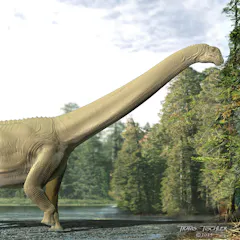
Sauropods were the largest land-living animals of all time. Finding the traces of a sauropod’s last meal is nothing short of extraordinary.
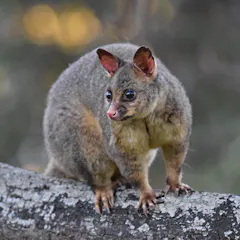
In Australia, people tend to think carnivores lead the clean-up crew after an animal dies. But brushtail possums – thought to be plant-eaters – also eat carcasses.

The strategy aims to conserve biodiversity while also contributing to the creation of jobs and economic growth.
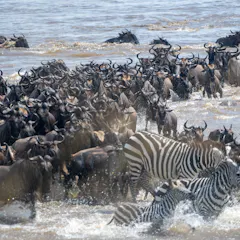
Lessons from the Serengeti herds may help conservationists manage migratory herbivore populations.
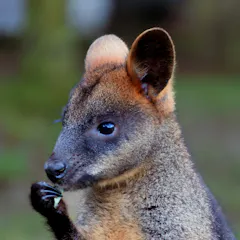
Each year, hungry plant-eating animals do billions of dollars of damage to valuable plants. We need prevention methods that don’t involve killing them.
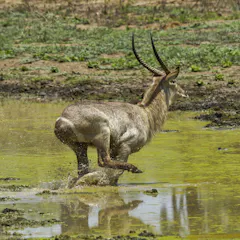
Cyclone Idai in Mozambique was an opportunity to test ideas about traits that help animals survive natural hazards.
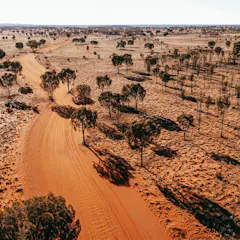
Carbon credits must be scrutinised – and none more so than credits for taking grazing animals off arid rangelands.
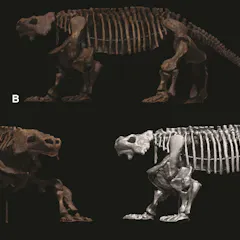
Large pareiasaurs are among the earliest huge plant-eating tetrapods to appear in the history of the development of life on Earth.
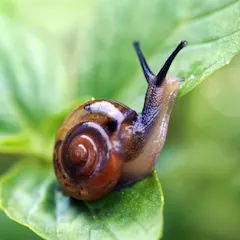
These members of the mollusk family may be slow, small and slimy, but they are an indispensable part of the ecosystem.
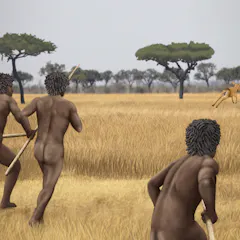
Africa’s large mammal heritage has formed a deep cultural legacy for all of humankind.

We hear a lot about how humans eating meat is bad for the planet. But if every animal only ate plants, Earth would look dramatically different.
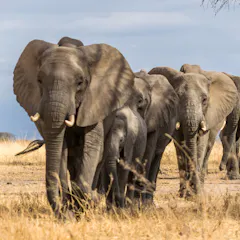
Efforts to preserve biodiversity and slow climate change make natural bedfellows.
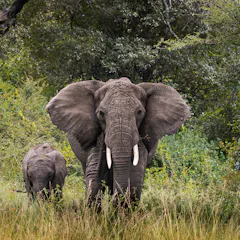
It sounds like a mammoth plan, but bringing back large herbivore species to Europe could help mitigate ecosystem collapse.

The recent discovery of fragments of a jaw fossil show that at one point, herbivorous reptiles evolved highly complex and efficient teeth.
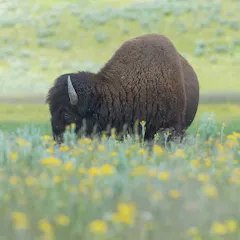
The historical record is full of surprises – and it could encourage conservationists to think more creatively.

As Chile’s central mountain region warms, guanacos are wandering into trouble.

An animal’s poop may seem like something to avoid, but it’s full of information about the creature that left it there.
Top contributors
-

Research Associate, Department of International Relations, University of the Witwatersrand; Chief Research Officer, Good Governance Africa; Managing Director, Harvey Economics Pty Ltd.
-
Postdoctoral Research Fellow in Conservation and Wildlife Management, University of Sydney
-
Associate Professor, Global Ecology, University of Sydney
-
Professor of Biology, Wake Forest University
-
Professor of Conservation Biology, School of Life and Environmental Sciences, University of Sydney
-
Postdoctoral Fellow, Flinders University
-
Associate Professor, Centre for Sustainability Transitions, Stellenbosch University
-
Adjunct Assistant Professor in Global Change Ecology, Aarhus University
-
Researcher in AZARA Foundation and Professor, Herpetology and Paleontology, CAECE University
-
Lecturer in Philosophy, University of Galway
-
Postdoctoral Fellow in Vertebrate Palaeontology, King's College London
-
Senior Lecturer in Ecology, Teesside University
-
Professor of Dryland Ecology, UNSW
-
Postdoctoral Researcher, National Zoo and Smithsonian Conservation Biology Institute
-
Chair of Veterinary Public Health and Food Safety, University of Sydney