
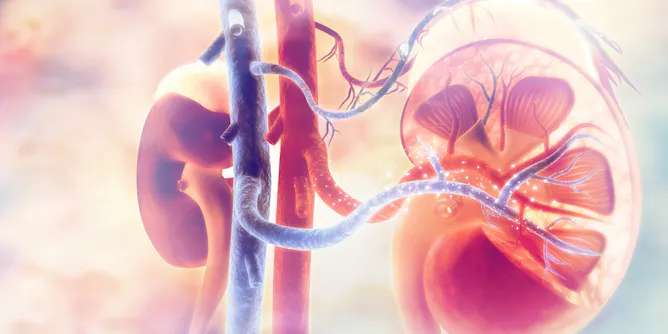
Organs from gay men or injecting drug users, often rejected for transplants, could safely be used, so long as donors test negative for infections such as HIV, and hepatitis B and C.
Articles on Hepatitis
Displaying 21 - 32 of 32 articles
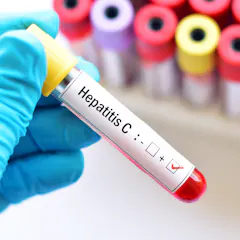
Many countries in sub-Saharan Africa have made vaccination and post-infection therapy available. But the number of those infected annually and dying from viral Hepatitis continues to be high.

No mother wants their baby to develop jaundice, but it turns out that they should probably be grateful.

Hepatitis A is a virus that infects the liver. Symptoms usually take 15-50 days to develop after initial infection and typically last for several weeks or sometimes longer.

Hepatitis viruses are serious infections that damage the liver. There is an urgent need to deal with increased Hepatitis B infections in Kenya.

Women have evolved to have stronger immunity than men. But this comes with downsides -
women are more likely to have autoimmune diseases due to their “reactive” immune systems.

Australia has been subsidising drugs to cure hepatitis C since March 2016. Unlike in many other countries, these are available to everyone with the disease and are much cheaper for our government.

Viral hepatitis sheds light on key challenges faced by health system in Africa and how social and culture factors can help in prevention.

Ghana must urgently implement strategies to tackle the high burden of viral hepatitis if it’s to fulfill global targets of eliminating the disease by 2030.

Combinations of two or three hepatitis C virus direct-acting antiviral drugs taken for 8-24 weeks can cure more than 90% of people treated.

Hepatitis A, B, C, D and E are very different viruses. Hepatitis A is genetically closer to the common cold than it is to hepatitis B. Hepatitis C is closer to the virus that causes dengue fever.

Most people are aware of the benefits of breastmilk, but few are aware of the risks.
Top contributors
-

Associate Research Scientist, African Population and Health Research Center
-
Director, WHO Collaborating Centre for Viral Hepatitis, The Peter Doherty Institute for Infection and Immunity
-
Associate Professor of Microbial Bioinformatics, Nottingham Trent University
-
Infectious Diseases Physician, St Vincent's Hospital, Sydney; Scientia Professor, Kirby Institute, UNSW
-
Senior Communications Officer, African Population and Health Research Center
-
Senior Lecturer, Gastroenterology & Hepatology Unit and Consultant Gastroenterologist & Hepatologist, University of Ibadan
-
Manager, Centre for Genome-Enabled Biology & Medicine, University of Aberdeen
-
Professor, Molecular Immunology, WEHI (Walter and Eliza Hall Institute of Medical Research)
-
Honorary Clinical Associate Professor, University of Glasgow
-
Research associate, The Kirby Institute, UNSW
-
Research Fellow at Monash University, Monash University
-
University of Nairobi
-
Professor of Immunology and Director of Research, Moi University
-
Senior Lecturer, University of Essex; IF Senior Research Associate, Intellectual Forum at Jesus College in the University of Cambridge; Researcher for the Department of Social and Political Sciences, Bocconi University, University of Cambridge
-
Research Officer, Kenya Medical Research Institute