

Four viruses and one bacteria were responsible for 12% of the world’s cancer cases in 2024. Does this mean they’re preventable?
Articles on Hepatitis C
Displaying 1 - 20 of 69 articles

Thousands of Australians unwittingly contracted HIV and hepatitis C before donated blood was routinely tested. Could a new Senate inquiry mean fairer compensation?

Evidence suggests that people who receive syringes from a needle exchange are less likely to dispose of them improperly.

An infection control expert explains why sharing your razor, towel or toothbrush isn’t such a great idea.

Australia leads the world in community-based needle programs. Yet they’re not used in prisons – which are hotspots for hepatitis C infection.
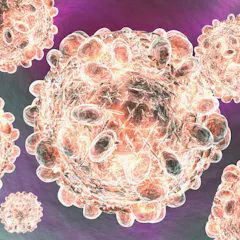
Hepatitis C can be cured but can be difficult to spot until it’s caused liver damage.

One person still dies every three days in the UK after receiving contaminated blood in the 1970s and ‘80s. This global scandal has has devastated many families, including those with haemophilia
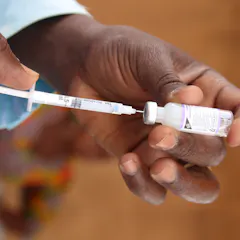
Hepatitis E is a global health problem with about 20 million cases occurring annually, three million symptomatic cases, and 60,000 deaths.

Around 60% of Australians with hepatitis C have accessed treatment which usually cures the condition. But to eliminate the disease, we need to prevent re-infection and tackle stigma.

Climate change, inequality, the evolution of knowledge… Experts have been surveyed, and a consensus is emerging on what to expect from the effects of these factors in the medical field.

Hepatitis C treatments are up to 95% effective when caught early.
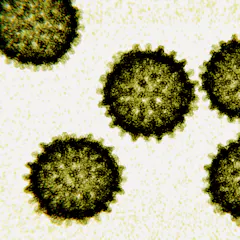
Using a Nobel Prize-winning technique called cryo-EM, researchers were able to identify potential areas on the hepatitis C virus that a vaccine could target.

There has been a monumental policy shift in paying blood plasma donors in Canada.

Millions of Americans wear jewelry that pierces the ear, nose, lips, tongue and genital areas. But adorning yourself with metal body art can be a health hazard.

Direct-acting antivirals can cure hepatitis C in eight to 12 weeks. But while the rate of uptake in Australia has slowed, a greater proportion of those undertaking treatment are in prison.
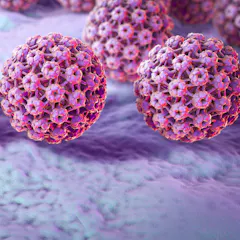
Some cancers are actually caused by viruses that linger for long periods in the body, or cause physical damage that later turns cancerous.
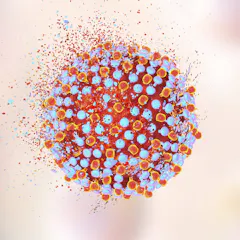
CC BY-NC-ND10.5 MB (download)
New direct-acting antiviral drugs would work successfully in countries where numerous different strains of hepatitis C are found.
Direct-acting antivirals have mostly been used in countries with high incomes. These drugs would be effective against most hepatitis C strains. which are primarily low-income countries.

Michael Houghton, an Edmonton-based virologist, was one of the recipients of this year’s Nobel Prize for physiology or medicine for the discovery of hepatitis C.
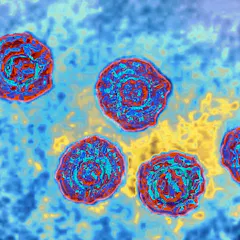
The 2020 Nobel Prize for Physiology or Medicine goes to the discoverers of the hepatitis C virus. There’s an effective cure but homelessness and the opioid epidemic are driving a surge in infections.
Top contributors
-

Infectious Diseases Physician, St Vincent's Hospital, Sydney; Scientia Professor, Kirby Institute, UNSW
-
Professor of Viral Hepatitis, University of Glasgow
-
Director, WHO Collaborating Centre for Viral Hepatitis, The Peter Doherty Institute for Infection and Immunity
-
Professor and Director of the Centre for Social Research in Health, UNSW
-
Professor, Deakin University
-
Senior Lecturer, Gastroenterology & Hepatology Unit and Consultant Gastroenterologist & Hepatologist, University of Ibadan
-
Research Fellow, Australian Research Centre in Sex, Health and Society, La Trobe University
-
Deputy Director, Burnet Institute, Adjunct Professor, Monash University, Burnet Institute
-
Emeritus Consultant, St Vincent's Hospital, Darlinghurst
-
Associate Professor of Epidemiology & Program Head of Surveillance Evaluation and Research, UNSW
-
Professor of Internal Medicine, University of Michigan
-
Adjunct Professor, School of Psychology, Curtin University and College of Health and Medicine, Australian National University
-
Assistant Professor of Public Health and Community Medicine, Tufts University
-
Medical Director, Viral Hepatitis Centre, Johns Hopkins University
-
Professor and Executive Dean of School, Medical and Health Sciences, Edith Cowan University