

A survey conducted in Texas state prisons finds that many lack basic resources like cold water, ice and air conditioning to help incarcerated people and staff keep cool during heat waves.
Articles on Heat
Displaying 141 - 160 of 247 articles

All event organizers should be prepared for emergencies and have a communication plan.
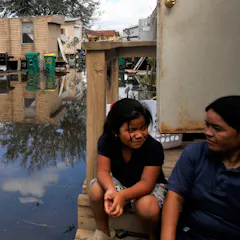
It’s not just mosquitos. Flooding, extreme heat and other climate-related hazards are bringing people into contact with pathogens more often, and affecting people’s ability to fight off disease.

After the announcement of President Biden’s heat initiative, The Conversation revisits stories on high summer temperatures and human health.
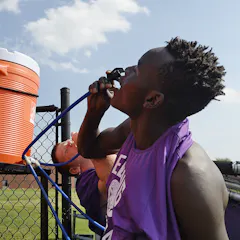
The first two weeks of preseason training are the toughest as players’ bodies acclimatize to running hard in the heat. An exercise scientist explains the risks.

With decades of images and data from the same locations, these satellites can show changes over time, including deforestation, changes in waterways and how loss of trees corresponds to urban heat.
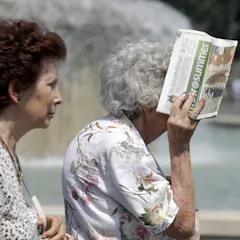
Governments and organizations must listen to older adults’ experiences with extreme heat, flooding and wildfire smoke to create effective policies and programs

Summer sports camps and pre-season training often have kids running hard in high heat and humidity. The combination can be deadly.

The most important thing is to listen to your body in order to avoid heat illness.

High temperatures make baseball players and coaches more irritable, and are associated with an increase in violence.
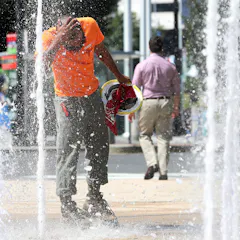
New research on young, healthy humans found the body begins overheating when exposed to temperatures and humidity lower than previously believed.

Climate change has a clear link to rising foodborne illnesses. Blackouts during heat waves and wildfires are a growing part of the problem.
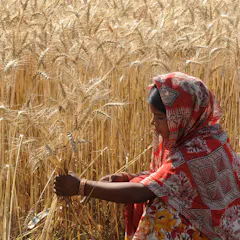
As crops fail in the rising heat, men are leaving many rural areas for migrant work in cities. Women are left to tend to the farming in increasingly dangerous conditions.
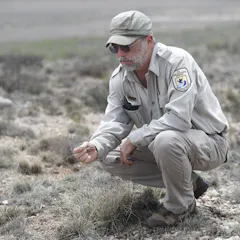
La Niña is only part of the problem. The long-term driver of increasing drought – even in areas getting more rainfall overall – is the rapidly warming climate.

Informal settlements in Dar es Salaam are highly vulnerable to the health effects of heat.

If fossil fuel burning stopped, emerging research suggests air temperatures could level off sooner than expected. But that doesn’t mean the damage stops.
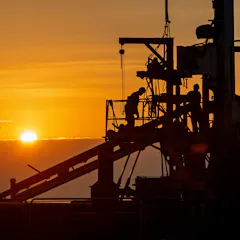
UK law currently regards heat as a physical characteristic, rather than a useful resource.
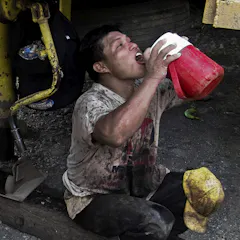
The risk from heat waves is about more than intensity – being able to cool off is essential, and that’s hard to find in many low-income areas of the world.
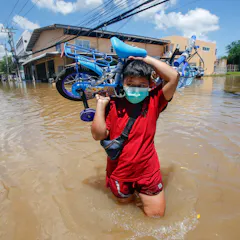
While surface temperatures were about the 6th warmest on record in 2021, the upper oceans were at their hottest – and they’re a stronger indicator of global warming. A top climate scientist explains.

Volcanoes might seem like nature’s incinerators, but using them to burn up trash would be dangerous and disrespectful to indigenous people who view them as sacred.
Top contributors
-

Honorary Associate Professor in Environmental Health, Australian National University
-
ARC Future Fellow and Associate Professor in Climate Science, ARC Centre of Excellence for 21st Century Weather, The University of Melbourne
-
Professor of Heat & Health; Director of Heat & Health Research Incubator; Director of Thermal Ergonomics Laboratory, University of Sydney
-
Professor of Intelligent Engineering Systems, Nottingham Trent University
-
Professor of Physiology, Kinesiology and Human Performance, Penn State
-
Ph.D. Candidate in Exercise Physiology, Penn State
-
Senior Lecturer, Department of Architecture, Federal University of Technology, Akure
-
Duncan Mitchell is a Friend of The Conversation.
Honorary Professorial Research Fellow, University of the Witwatersrand
-
Postdoctoral Researcher in Kinesiology, Penn State
-
Geographer-climatologist and Postdoctoral Fellow, Penn State
-
Presidential Distinguished Professor of Energy Policy and City Planning, University of Pennsylvania
-
Purple House Medical Advisor. Honorary ANU., Australian National University
-
Senior Lecturer in Exercise and Environmental Physiology, University of Hull
-
Professor, Emerging Technologies Research Lab, Monash University, Monash University
-
Professor Emeritus, University of Washington