

Smoking-related cardiovascular disease like heart attack and stroke results in 11,400 people being sent to hospital and 6,400 people dying in Australia each year, new research shows.
Articles on Heart attack
Displaying 61 - 80 of 129 articles

British workers put in the longest hours in the EU.

Symptoms of pre-eclampsia, including high blood pressure, usually resolve by about two months after the birth. But some health problems can develop later.
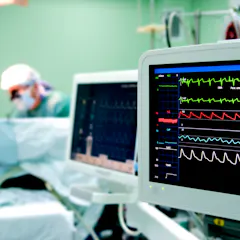
Sexism in cardiovascular research means that heart attacks are often missed in women. And that women are less likely to receive recommended therapies and rehabilitation opportunities.

Both diets can help to lower cholesterol, but which is better?

Just 82% of young Australians have insurance when they travel overseas. But even if you have insurance, you might not be covered for everything.

From weekend walks with your doctor to free gym memberships, there is a global movement afoot.
Your risk of a heart attack increases 600 per cent within a week of catching the flu. The flu shot decreases that risk, whether you catch the flu or not.

Doctors have long acknowledged heart attacks are more likely to occur in cold weather. But now a major study has confirmed it.

The new Apple Watch is making waves for being able to record an electrocardiogram (ECG) and share it. An ECG can tell you what’s going on with your heart.

Taking low-dose aspirin daily doesn’t delay the onset of disability in healthy older people. Nor does it prevent heart attack or stroke in those who hadn’t experienced either condition before.

New research shows women receive sub-optimal care after they have a heart attack and are twice as likely than men to die six months after the attack.
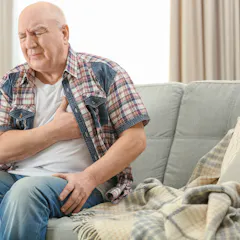
Mutated bone marrow stem cells could double your risk of having a heart attack.

There are many benefits to walking - whether you do it in a group or on your own.

Heart disease is the number one cause of death for women globally. And yet women’s symptoms and risk factors are less well recognized, and they receive less in-hospital care, than men.

Taking more exercise is a New Year’s resolution to stick to. Exercise reduces risks of depression, cancers, heart disease, stroke and sudden death.

Stress has subtle, underlying effects on almost every part of the body, including the heart, gut and immune system.

People generally assume all heart-related death is due to heart attack. But there are differences between cardiac arrest, heart attack and heart failure – and none are synonymous with death.
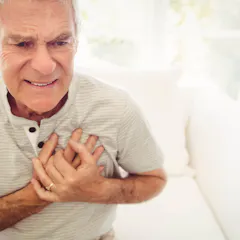
An expensive drug is hailed as the biggest breakthrough since statins. But there is a cheaper alternative.
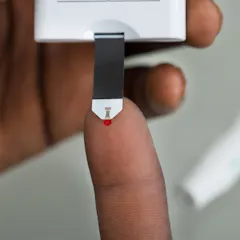
To tackle the increasing burden of diabetes in Africa, health systems on the continent need to be strengthened.
Top contributors
-

Professor of Medicine, University of Sydney
-
Professor of Health Sciences, Simon Fraser University
-
Executive Director, George Institute Australia; Professor of Medicine, UNSW
-
Senior Research Fellow, Cardiovascular Division, George Institute for Global Health
-
Member, IMPART (Inflammation & Metabolism, Physical Ability, & Research Translation) Network, Dalhousie University
-
Medical doctor, PhD candidate in cardiology, Monash University
-
Vice-Chancellor's Distinguished Fellow, UNSW
-
Cardiologist at Westmead Hospital; Director of the Westmead Applied Research Centre, University of Sydney
-
Department Chair and Professor of Biochemistry and Molecular Genetics, University of Illinois Chicago
-
Professor of Cardiovascular Molecular Medicine and Genetics, University of Leicester
-
Clinical Associate Professor, University of Sydney
-
Professor at ANU Medical School; Senior Staff Specialist Infectious Diseases; General Physician, Australian National University
-
Group Leader, Health Services, Digital Productivity Flagship, CSIRO
-
Senior Lecturer in Clinical Pharmacology, Queen Mary University of London
-
Senior Lecturer, Biomedical Sciences, University of Aberdeen