

A new study shows that the more physically active a person, the more calcium build-up they have in their coronary arteries.
Articles on Heart attack
Displaying 41 - 60 of 129 articles
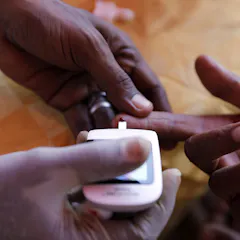
Targets for diabetes would improve healthy lives, reduce deaths, and be cost effective. But they should not be for managing diabetes alone; they must include treating hypertension.

A critical care doctor brings a frontlines perspective to the frustration of dealing firsthand with vaccine hesitancy and discusses the limitations of science and medicine.
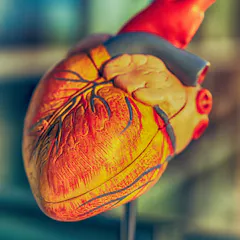
COVID can cause heart inflammation, abnormal heart rhythms, blood clots in the legs and lungs, stroke, and heart failure.

Up to 40% of sudden cardiac deaths in young people remain unexplained. But defibrillators and data are key to preventing them.

New research has highlighted the benefits of high-intensity interval training.
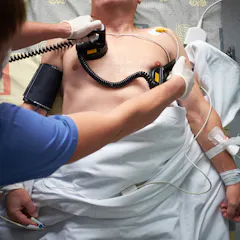
Whether CPR is performed in hospital will depend on the patient’s prospects of survival and recovery. But the doctors are also concerned about what the patient wants.

New research suggests cardiac rehab programmes may not be carried out as intended.
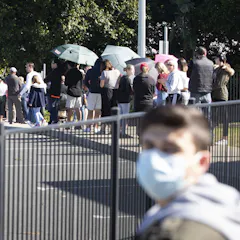
With all the attention focussed on combating the spread of COVID-19 it’s easy to forget the other health challenges that could affect us all.

Scientists have developed and tested a new anti-clotting drug in mice that shows promise for treating heart attacks and stroke. It may also prove useful for COVID-19.
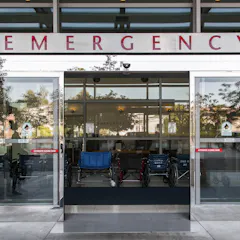
In a well-functioning health care system, the emergency room would be able to meet the needs of all of its patients in a timely manner.
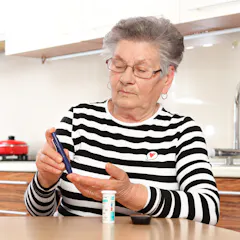
Fear of contracting coronavirus in hospital means people could be suffering in silence at home without getting the essential care they need.

A prominent paper on vaping and heart disease has been retracted.

Cardiac rehabilitation is not available in many African countries and the way forward may be to focus on patients rather than specific diseases.

Shovelling snow is excellent exercise that works the upper and lower body. However, it’s important to remember that digging out from a storm pushes many people to their maximal fitness capacity.

An investigation showed that five Canadian cities had lead levels in their water on par with those in Flint, Mich. during its peak period of water contamination.

Cocaine and alcohol combine to create a deadly chemical known as cocaethylene.

Societal pressures make it hard for people living in low-income areas to change their ways.

It’s time characters on TV reflected not only women’s experience of heart disease but those of men from diverse backgrounds if we want to prevent more people dying from heart disease.

Some Canadians go without heat and food to buy their medications. Others simply don’t take them because they can’t afford to. This is why we need a national pharmacare plan.
Top contributors
-

Professor of Medicine, University of Sydney
-
Professor of Health Sciences, Simon Fraser University
-
Executive Director, George Institute Australia; Professor of Medicine, UNSW
-
Senior Research Fellow, Cardiovascular Division, George Institute for Global Health
-
Member, IMPART (Inflammation & Metabolism, Physical Ability, & Research Translation) Network, Dalhousie University
-
Medical doctor, PhD candidate in cardiology, Monash University
-
Vice-Chancellor's Distinguished Fellow, UNSW
-
Cardiologist at Westmead Hospital; Director of the Westmead Applied Research Centre, University of Sydney
-
Department Chair and Professor of Biochemistry and Molecular Genetics, University of Illinois Chicago
-
Professor of Cardiovascular Molecular Medicine and Genetics, University of Leicester
-
Clinical Associate Professor, University of Sydney
-
Professor at ANU Medical School; Senior Staff Specialist Infectious Diseases; General Physician, Australian National University
-
Group Leader, Health Services, Digital Productivity Flagship, CSIRO
-
Senior Lecturer in Clinical Pharmacology, Queen Mary University of London
-
Senior Lecturer, Biomedical Sciences, University of Aberdeen