

Aortic dissection is an uncommon condition – affecting only three or four people per 100,000.
Articles on Heart
Displaying 41 - 60 of 74 articles
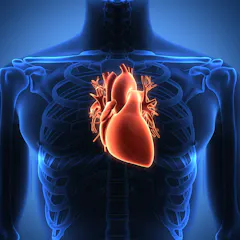
The heart used in the first pig-human transplant was infected with a pig virus. This reveals that using other species as organ donors may not provide a solution for organ shortages.

New developments in organ transplants from animals show promise. However, there has been no public engagement about a potential risk. It may streamline a pathway to humans for new zoonotic diseases.

It’s a love song cliché and a Hollywood staple, but your heart really might race or skip a beat when you feel love and attraction.
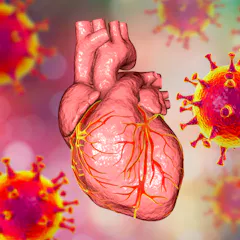
Myocarditis following COVID-19 vaccination is rare, and the risk is much smaller than the risks of cardiac injury linked to COVID-19 itself.
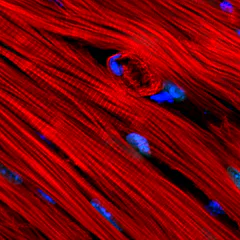
Heart disease can change the genetic structure of heart cells. Understanding the role that mechanical forces play in these changes could lead to improvements in artificial tissue design.
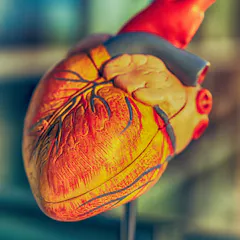
COVID can cause heart inflammation, abnormal heart rhythms, blood clots in the legs and lungs, stroke, and heart failure.

Heart block typically isn’t serious, but can cause the heart to beat more slowly or skip beats.
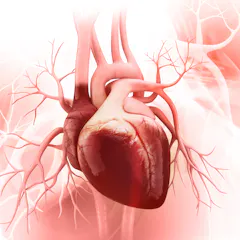
This ‘backup’ pacemaker can keep the heart beating as normal when the mechanism which normally keeps the heart beating fails.

Cardiologists say student athletes who test positive for COVID-19 should see their doctors to determine if heart tests are necessary, even if they don’t have symptoms.
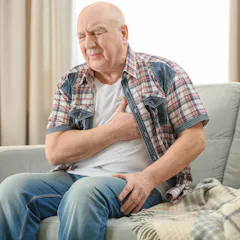
Our new research shows deep body fat wrapped around the heart can release dangerous molecules, potentially leading to atrial fibrillation.
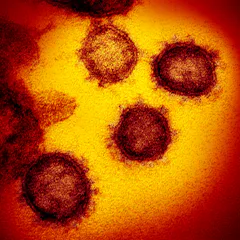
Even kids who were asymptomatic when they had COVID-19 have developed multisystem inflammatory syndrome, a new review of hundreds of cases shows.
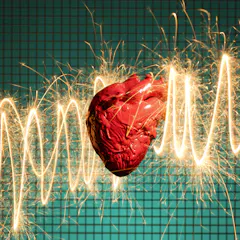
Scientists have developed and tested a new anti-clotting drug in mice that shows promise for treating heart attacks and stroke. It may also prove useful for COVID-19.

One in ten people are born prematurely.
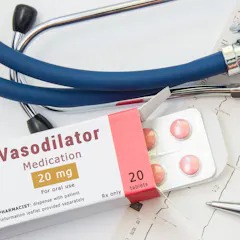
The use of antihypertension medication during the coronavirus pandemic has been a subject of hot debate but people should be cautious about simple conclusions.
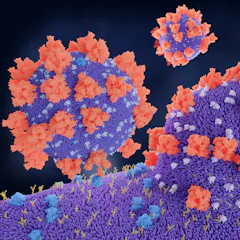
The ACE2 receptor allows the virus that causes COVID-19 to infect and destroy our cells. What is the normal role of ACE2 in the body, and could it be the key to blocking infection?

Who is most likely to survive an infection of the new coronavirus? Two immunologists explain that it is those who mount exactly the right immune response – not too weak, not too strong.

Trying a new exercise routine? Strapping on a new wearable monitor? An expert in human physiology explains the ins and outs of your heart rate and why it’s a valuable number to understand.

Research shows fainting in pregnancy may be associated with medical problems for the child at birth and heart conditions in the mother post delivery.

Research in mice shows that estrogen replacement therapy has the greatest chance of reducing cardiovascular disease risk if it is begun soon after menopause.
Top contributors
-

Professor of Anatomy, Lancaster University
-
Affiliate Scientist, KITE Research Institute, Adjunct Professor, Department of Physical Therapy, University of Toronto
-
Adjunct Professor, Department of Obstetrics and Gynecology, Faculty of Medicine, Dalhousie University, Mount Saint Vincent University
-
Member, IMPART (Inflammation & Metabolism, Physical Ability, & Research Translation) Network, Dalhousie University
-
Professor, Faculty of Kinesiology & Health Studies, University of Regina
-
Senior Lecturer in Chemical Pathology, University of Westminster
-
Postdoctoral Researcher in Kinesiology, Penn State
-
Geographer-climatologist and Postdoctoral Fellow, Penn State
-
Associate Professor of Health and Sport Science, University of Dayton
-
Adjunct professor, Department of Family Medicine & Department of Psychology and Neuroscience, Dalhousie University
-
Professor of Physiology, Kinesiology and Human Performance, Penn State
-
Ph.D. Candidate in Exercise Physiology, Penn State
-
Full Professor and Associate Vice-President, Research, Mount Saint Vincent University
-
Research Fellow, Adelaide University
-
Associate Professor of Human Health and Nutritional Sciences, University of Guelph