

A new generation of auto-inflation devices helps children relieve glue ear. And they look like toys.
Articles on Hearing loss
Displaying 21 - 40 of 76 articles
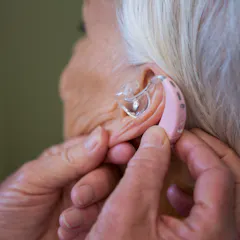
Half of care home residents with dementia and hearing loss are without any support to communicate.
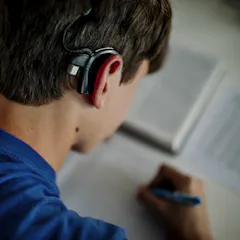
Researchers are exploring different ways to improve how cochlear implant users perceive speech and music in noisy environments.
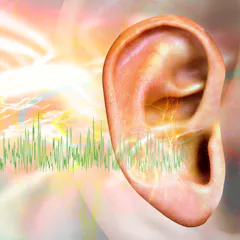
Although there’s no cure for tinnitus, help is out there – including sound-generating devices, background noise and talk therapy.

Noise-induced hearing loss is permanent, which is why looking after your hearing while you’re young is so crucial.

Using earbuds or headphones to play very loud music on devices and going to live gigs are putting up to 1.35 billion young people at risk of permanent hearing loss worldwide.

Some commercial wireless earphones could work as basic hearing aids, a new study claims.

They are cheaper to buy and don’t require a doctor’s prescription. But OTC hearing aids come with some limitations.
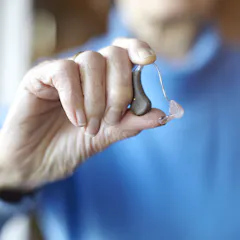
They are easy to get, and far less costly than prescription hearing aids. But over-the-counter devices are not the answer for everyone with hearing issues.
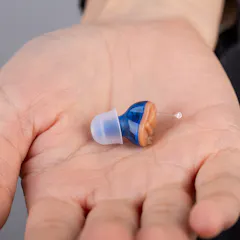
OTC hearing aids promise to increase the accessibility and affordability of the devices for millions of adults who live with untreated mild to moderate hearing loss.

Understanding why the two are connected could be key in finding treatments – or even a cure – for tinnitus
From skin lesions to hearing loss, unusual symptoms can be troubling for COVID patients.
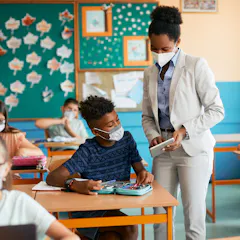
Teachers wearing wireless microphones that amplify their voices could be one solution to ensuring children can hear — and saving teachers’ voices from strain, particularly in the pandemic.

The brain uses visual information and vibrations to substitute the missing sense of hearing.
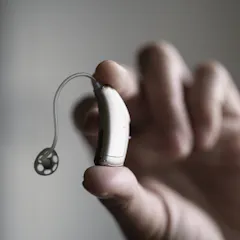
Only 3.7% of people in the U.S. with hearing difficulty own hearing aids. Thanks to a federal law in progress of being implemented, OTC hearing aids may help bridge the gap.
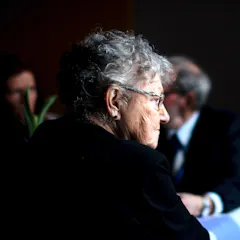
Poor hearing was associated with almost double the risk of dementia.

Noise-induced hearing loss is an occupational health hazard. It remains a prevalent condition in the South African mining industry.
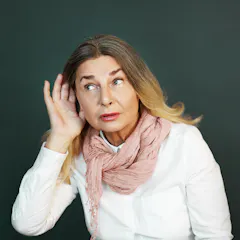
Up to 15% of adults diagnosed with COVID report audio-vestibular symptoms.
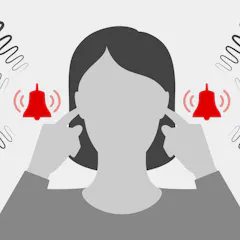
Higher levels of stress was just one of the reasons the hearing problem may have worsened for many people.
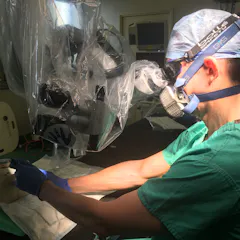
Before COVID-19, if you told me that I’d need to construct a tent in which to operate this year, whilst wearing spoggles and a respirator mask, I would not have believed you.
Top contributors
-

Professor in Audiology in the Department of Speech-Language Pathology and Audiology, University of Pretoria
-
Ewing Professor of Audiology, University of Manchester
-
Lecturer, Hearing Science, University of Manchester
-
Head of Ear and Hearing Health, The Kids Research Institute Australia, Curtin University
-
Associate Professor of Pharmacy and Therapeutics, University of Pittsburgh
-
Senior Lecturer, College of Nursing and Health Sciences, Flinders University
-
Professorial Research Fellow, Audiology and Speech Pathology, The University of Melbourne
-
Assistant Clinical Professor of Audiology and Clinical Audiologist, University of Colorado Anschutz
-
Professor of Otology and Neurotology, University of Virginia
-
Professor of Audiology, University of Pittsburgh
-
Professor, Macquarie University
-
Senior Research Associate, University of Bristol
-
Ph.D. student in Speech and Hearing Bioscience and Technology, Harvard University
-
Lecturer in Computer Science and Informatics, University of East London
-
BrightSpark Foundation Research Fellow, The University of Western Australia