

Creating a quieter environment can improve your health – but you have to know what you’re listening for.
Articles on Tinnitus
Displaying all articles

Listening to music and doing homework can be in harmony − as long as you turn down the volume.

About 40 million Americans have hearing problems due to exposure to loud sounds.
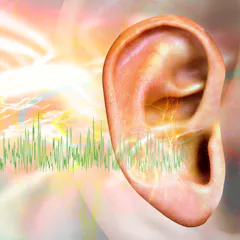
Although there’s no cure for tinnitus, help is out there – including sound-generating devices, background noise and talk therapy.

Noise-induced hearing loss is permanent, which is why looking after your hearing while you’re young is so crucial.

Understanding why the two are connected could be key in finding treatments – or even a cure – for tinnitus

From skin lesions to hearing loss, unusual symptoms can be troubling for COVID patients.

The technology is progressing but it must pass a number of regulatory hurdles. We’re unlikely to see an affordable implant in the short term.

Up to 15% of adults diagnosed with COVID report audio-vestibular symptoms.
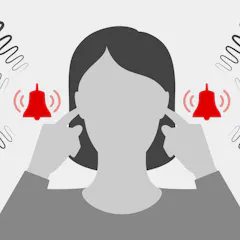
Higher levels of stress was just one of the reasons the hearing problem may have worsened for many people.

Exposure to loud noise is the biggest preventable cause of hearing loss.

New study finds that musicians, music directors and production staff have nearly double the risk of getting tinnitus compared with people employed in quieter industries.
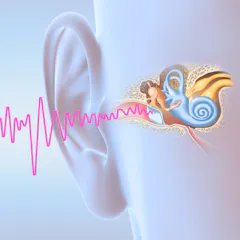
Many things can cause tinnitus – which makes coming up with a cure difficult.

How to find a treatment for a phantom sound.

Shortly after Glen MacPherson started hearing strange humming noises, he created the World Hum and Database Project so people around the world could document their own experiences with the Hum.
A period of temporary blindness has been shown to dramatically improve hearing in adult mice. New research has demonstrated…
Top contributors
-

Lecturer, Hearing Science, University of Manchester
-
Visiting Researcher (Academic Foundation Doctor FY2), University of East Anglia
-
Associate Professor in Neurosciences, University of Leicester
-
Adjunct Senior Lecturer, Applied Ethics and CyberSecurity, Griffith University
-
Postdoctoral Fellow in Audiology, Anglia Ruskin University
-
Professor of Cardiac Medicine, University of East Anglia
-
Professor of Otology and Neurotology, University of Virginia
-
Departmental Lecturer, Auditory Neuroscience Group, University of Oxford
-
Postdoctoral Research Fellow, Anglia Ruskin University
-
Professor of Sleep Physiology, University of Oxford
-
Ewing Professor of Audiology, University of Manchester
-
Associate Professor of Neuroscience, University of Oxford
-
Postdoctoral Researcher in Neuroscience, University of Oxford
-
Cardiology SpR & NIHR Academic Clinical Fellow, University of East Anglia
-
Assistant Clinical Professor of Audiology and Clinical Audiologist, University of Colorado Anschutz