
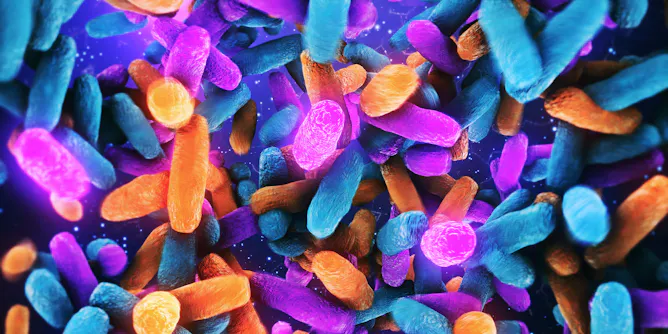
As early modern humans spread across the globe, their gut microbes genetically changed with them. Understanding the origins of gut microbes could improve understanding of their role in human health.
Articles on Gut microbes
Displaying 21 - 40 of 46 articles

Listeria causes serious illness and food recalls nearly every year.

Two Australians with bipolar have been successfully treated with poo transplants, allowing them to come off, or reduce, their medications. Here’s where the science is up to.
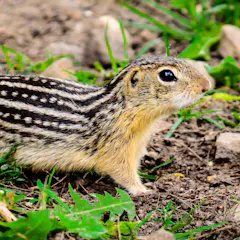
Months not eating or moving don’t result in muscle wasting and loss of function for animals that hibernate. New research found gut microbes help their hosts hold onto and use nitrogen to build proteins.
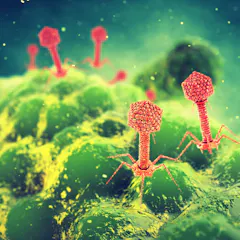
You could say there are a ‘crapload’ of viruses in the human gut. Luckily, most of these do not attack our cells, but instead feed on bacteria.
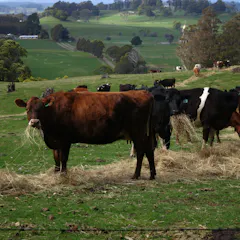
Cow burps and farts are no joke – they’re a big factor in climate change. A new study shows that daily seaweed supplements could tame this major methane source while saving ranchers money.
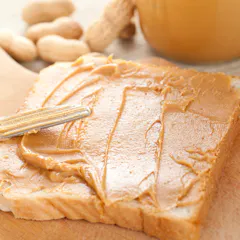
Evidence from a new study could help scientists develop drugs to neutralise the ‘allergic antibodies’ that cause anaphylaxis.
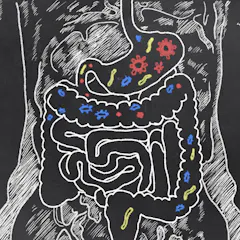
From dietary supplements to poop transplants, probiotics are now a multi-billion dollar market.

You probably know about the collection of microorganisms that live in, on and around us. But did you know that not everyone in society has equal access to them? That needs to change.

We found that drinking red wine is linked with an increase in gut bacteria diversity.
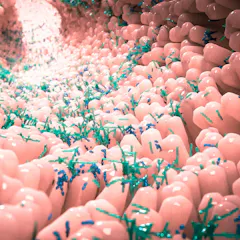
The effort to edit the genes of Chinese twins implies that all our traits are determined by our genes. But changing our diet, environment, lifestyle and microbes may have a greater effect.
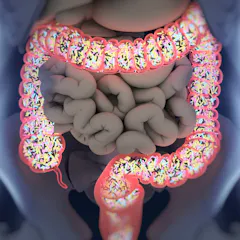
Study finds changes to gut microbiome begin as soon as migrants move to the US and continue to change over decades.

New research suggests people who eat organic plant foods have a reduction in risk of common cancers.
An expert explains how often you should poo and what it should look like.
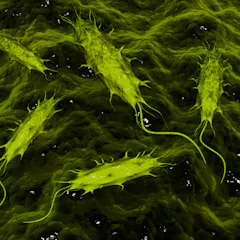
Sometimes the enemy of your enemy is your friend.

For most of the twentieth century, we were at war with microbes, leading to substantial changes in our body’s ecosystem. This has changed our diets, disease profile, moods and even personalities.

A world-first trial showed depression is reduced after just three months following a diet rich in vegetables, fruits, wholegrains, legumes, fish, lean red meats, olive oil and nuts.
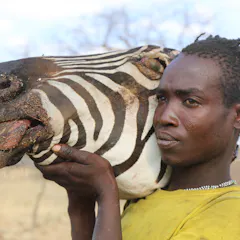
We need micro-environmentalists to fight for the cause.
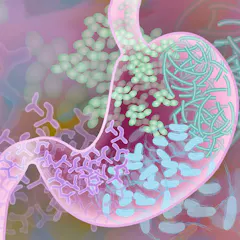
New research suggests our gut microbes have their own circadian rhythms that in turn influence our organ functions. Is this an explanation for how disrupting our daily patterns can cause health problems?
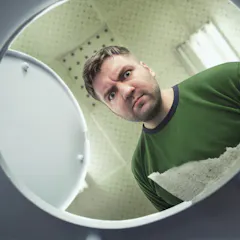
For most of us, the form of stool we excrete can vary widely depending, in part, on what we’ve been doing.
Top contributors
-

Professor of Genetic Epidemiology, King's College London
-
Associate Professor of Gastroenterology, School of Medicine, University of Washington
-
Senior Lecturer in Psychology, The University of Melbourne
-
Alfred Deakin Professor, Deakin University
-
Associate Professor of Medical Education, University of Nottingham; University of Lincoln
-
Senior Lecturer in Pharmaceutical Sciences, RMIT University
-
Associate Professor at Turner Institute for Brain and Mental Health, School of Psychological Sciences, Monash University
-
Professor of Microbiology, University of Salford
-
Senior lecturer, RMIT University
-
Lecturer in Microbiology, University of KwaZulu-Natal
-
Lecturer in Infectious Diseases, University of Salford
-
Professor, School of Medicine, University of Connecticut
-
PhD candidate, The University of Western Australia
-
Visiting Research Fellow, King's College London
-
Research Professor of Biotechnology, Head of Host-Microbe Interactions Laboratory, RMIT University