
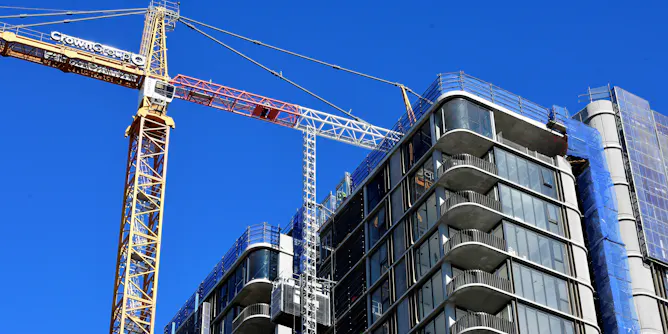
Orders to fix serious defects, even up to ten years after completion, and to delay the occupation certificate developers need to sell apartments until they’re fixed, gives regulators real teeth.
Articles on Grenfell Tower
Displaying 21 - 40 of 68 articles

Even landlords think involving social housing tenants is critical to running properties, but too often it doesn’t happen.

Emergency responders and military personnel need to think creatively – even imaginatively – to save lives under pressure. Analyzing the Grenfell Tower Fire in London reveals useful lessons.

The public inquiry into Grenfell makes its first report – but those responsible for the circumstances leading up to the fire are yet to face the consequences.

It will take time to digest the details of the 830-plus page report from phase one of the inquiry, but there are clear improvements to be made.
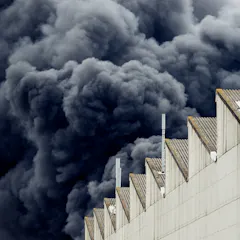
Ensuring a building will be safe against fire requires careful consideration from not only fire engineers, but also from builders, architects and building owners.
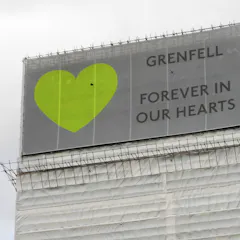
Grenfell Tower fire is the kind of tragedy that changes the built environment forever, through new building rules and safety measures.
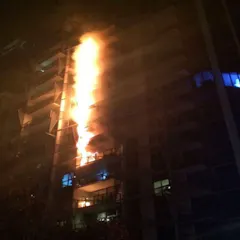
Estimated costs for Victoria alone range from hundreds of millions to as much as $1.6 billion If work to rectify buildings fitted with combustible cladding isn’t well handled.

Residents were blogging about the tower block’s safety issues well before the fire, but there were few reporters around to pick up on the story.

Previous laws gave tenants very little protection – but now landlords could face court if they don’t keep their properties in good repair.
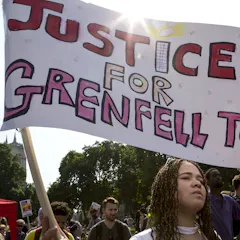
Police have to analyse over 31m documents, 2,500 pieces of evidence and 2,332 witness statements. This makes Grenfell the biggest and most complex corporate manslaughter case ever brought.
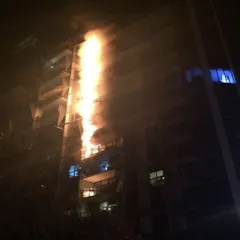
Architects, certifiers and engineers who work as consultants to builders are on notice about potential liability for the use of flammable cladding, but governments are also culpable for their actions.
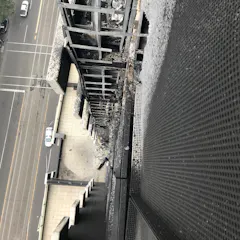
The risks of combustible cladding on high-rise buildings have long been known. And audits have identified hundreds of Australian buildings with this cladding. Delay in replacing it is inexcusable.

As more and more Australians live and work in high-rise buildings, their responsibilities and roles in ensuring all occupants’ safety must not be neglected.
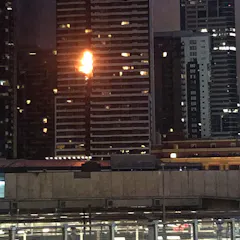
Fortunately, no lives were lost in the latest cladding fire in Melbourne, but it’s a stark reminder of the urgent need to track and verify that building materials comply with safety standards.
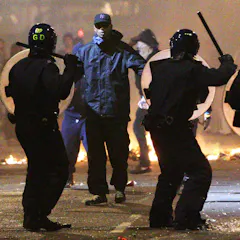
When people don’t trust the government, the media or police, they are less inclined to play by the rules and more likely to lash out violently.
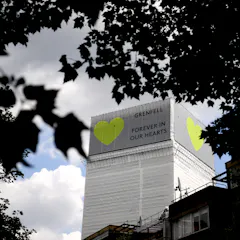
A year on what do we know about how the Grenfell fire spread? And what changes need to happen to make sure there is never a repeat?

A new analysis of 44,000 tweets reveals that fake news isn’t always persuasive.
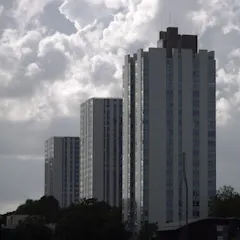
Grenfell was a ‘catastrophic regulatory failure’, and reform is still needed – but above all, tenants must be empowered to make their homes safe.

She lurches from crisis to crisis but the prime minister remains in post. How does she do it?
Top contributors
-

Associate Professor in Property, Construction and Project Management, RMIT University
-
Professor of Leadership and Management, Edge Hill University
-
Director, Glowpear, Board member, ISDRS, Vice President, AHA and Senior Lecturer in Industrial Design, RMIT University
-
Professor of Chemistry and Fire Science, University of Lancashire
-
Associate Dean, School of Property, Construction and Project Management, RMIT University
-
Professor of Journalism, Middlesex University
-
Associate Professor and Co-Director of Studies for Construction Law, The University of Melbourne
-
Adjunct Professor of Architecture, University of Technology Sydney
-
Architectural Technologist and Urban Designer, Nottingham Trent University
-
Senior Lecturer in International Relations and Politics, Aston University
-
Professor of History, Leeds Beckett University
-
Associate Professor of Structural Engineering, University of Leeds
-
Ahorangi / Professor of Geography, University of Auckland, Waipapa Taumata Rau
-
Tenured Scientist (IMB-CSIC, Spain) & Honorary Associate Prof. (SU, UK), Swansea University
-
Professor in Law, University of Southampton