
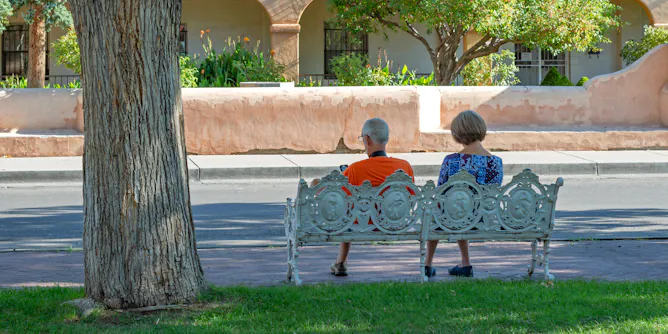
Two trends in Australia, an ageing population and warming climate, are increasing the threat that heatwaves pose to our health. Increasing vegetation cover is one way every city can reduce the risk.
Articles on Green cities
Displaying 21 - 38 of 38 articles
Expanding cities and farmland have created many small, often isolated patches of vegetation. Long seen as having limited ecological value, a new study shows these are vital for endangered species.
Barangaroo is an example of a development with admirable green credentials, but it is also an exclusive precinct that has played a role in displacing the disadvantaged from this part of Sydney.
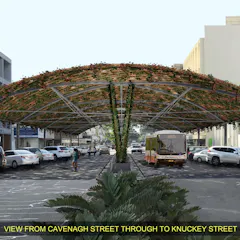
Darwin’s climate is getting even hotter and it’s one of the main reasons people leave the city. A lot more can be done, though, to make our tropical cities safe, cool and enjoyable.
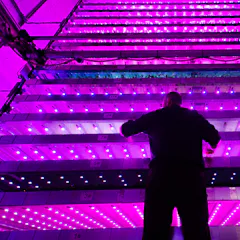
Vertical farms grow more food but use much more energy, so let’s consider other kinds of urban agriculture.
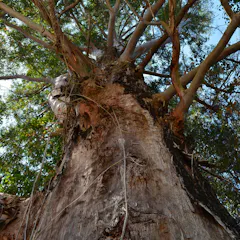
The ecological value of old trees is irreplaceable for native Australian fauna. Identifying and preserving these trees in cities through smarter planning strategies is important for local wildlife.
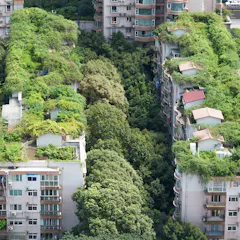
Dense, high buildings limit the space available for urban greenery. But imaginative projects that involve the community can ensure nature and the city go hand in hand.

Research shows if Australia encourages greenery on buildings, it will reduce temperatures in the city, as well as potential for flash flooding. It also creates new habitats and socialising spaces.
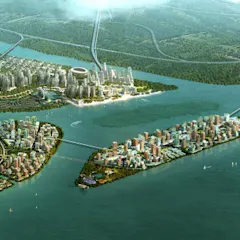
Artificial islands that are now mushrooming across the ocean are regarded as ‘engineering marvels’. But, little attention is paid to how these human-made structures affect sea life.
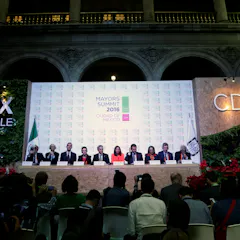
It’s a good thing that cities aspire to lead the way in acting on climate change in the absence of stronger national action. But a closer look reveals the limitations of current city-based efforts.

Urban green spaces are most effective at delivering their full range of health, social and environmental benefits when physical improvement of the space is coupled with social engagement.
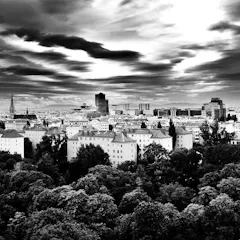
Australia’s growing cities face a shortage of urban parks. Often, the provision of parks is seen only as planning compliance or an accessory.
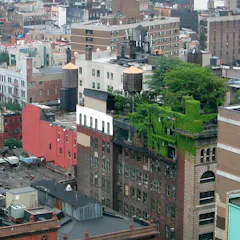
The rise of urban greening is an opportunity to recast the relationship between people and environment. Humans and non-human species are ecologically intertwined as inhabitants of cities.
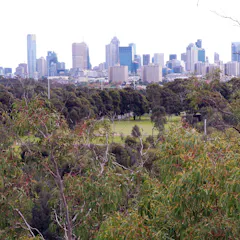
Achieving green cities will require more than just canopy cover targets and central city strategies. It will need new approaches to urban planning and development.
As summer rolls on once again you’re despairing at a brown lawn. Perhaps you should embrace a shabbier backyard.
Planting more trees in our cities is a good idea, but we need to remember to plan ahead for conditions those trees might encounter when they mature in half a century’s time.
The fact that we have embraced the notion of emailing a tree is no surprise. We have been passionate about trees in cities for a long time.
Emerging research looks at new ways to measure the ecological footprint of cities, a key step to making them more environmentally benign and perhaps more livable.
Top contributors
-

Associate Professor in Urban Science, University of California, Davis
-
Associate Director Smart Green Cities, Macquarie University
-
Professor, School of the Built Environment, University of Technology Sydney
-
Associate Professor in Planning, University of Technology Sydney
-
Distinguished Professor, Director of Smart Green Cities, Macquarie University
-
Professor and Head of School of Architecture and Built Environment, University of Newcastle
-
Honorary Associate Professor, Forest Measurement and Management, Fenner School of Environment and Society, Australian National University
-
Academic, Landscape Architecture and Urban Ecology, The University of Melbourne
-
Research Fellow, School of Natural and Built Environment, Queen's University Belfast
-
Professor and ARC Future Fellow, Hawkesbury Institute for the Environment, Western Sydney University
-
Spatial analyst, Macquarie University
-
Adjunct professor, School of Media and Communications, RMIT University
-
Vice-Chancellor's Research Fellow, Centre for Urban Research, RMIT University, RMIT University
-
Professor of International Planning, Centre for Urban Research, RMIT University
-
Senior Lecturer, School of Built Environment, University of Technology Sydney