
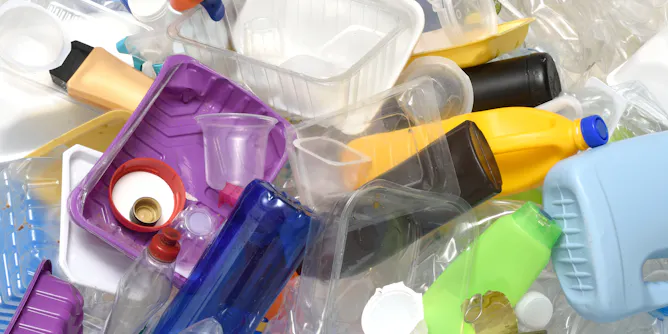
Enzyme proteins can be bred and trained to digest plastics rather than their natural substrates.
Articles on Green chemistry
Displaying all articles

Researchers are developing new ways to produce widely used silica nanomaterials so that these substances and any by-products won’t harm the environment.

Growing mountains of textile waste are hard to recycle. There is scope to improve chemical and mechanical recycling methods but consumers and fashion brands play a role in reducing overproduction.
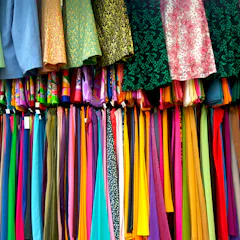
The production, use and end-of-life of clothing all have an impact on our health. But greater ecological awareness could turn the tide.
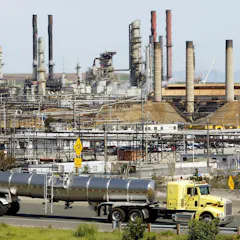
As global oil consumption drops, oil companies are pivoting to petrochemicals, and could crowd out bio-based alternatives.

When students practice green chemistry, they learn to think critically about the global impact of their field and become more passionate about studying chemical transformation.
Alternatives made from common metals like aluminium are available.
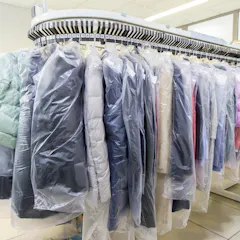
Dry cleaning isn’t really dry – it uses chemical solvents. Perc, the most common option, has contaminated soil and groundwater and poses serious health risks, but safer choices are emerging.
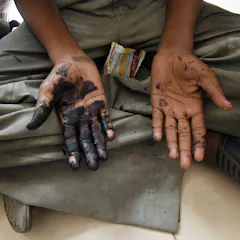
Regulations are catching up with toxic chemicals we’re exposed to as products’ end users. But workers in un- or underregulated places are still at risk, even from chemicals designed to be “green.”
Top contributors
-

Assistant Professor of Civil Engineering and Chemistry, University of Victoria
-
Assistant Professor of Chemistry, University of Tennessee
-
Postdoctoral Research Associate, Green Chemistry Centre of Excellence, University of York
-
Business & Industry Program Manager, Toxics Use Reduction Institute, UMass Lowell
-
Associate professor, University of Winnipeg
-
PhD Candidate and educator in sustainable fashion, Concordia University
-
Professor of Cell Signalling, University of Leicester
-
Researcher for the Clothing Sustainability Research Group and Lecturer Nottingham Trent University, Nottingham Trent University
-
PhD Candidate, Chemical Engineering, University of Sheffield