
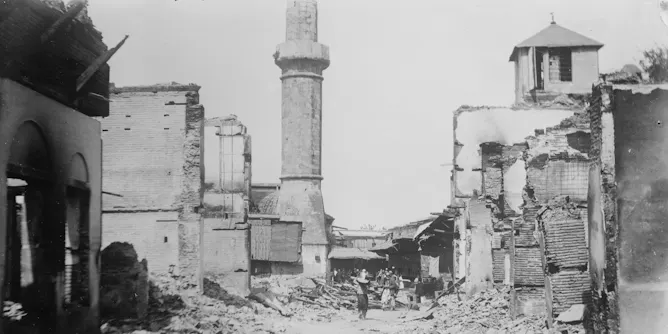
Recent studies on mass violence have turned the spotlight on the resilience of targeted individuals and communities.
Articles on Genocide
Displaying 141 - 160 of 333 articles
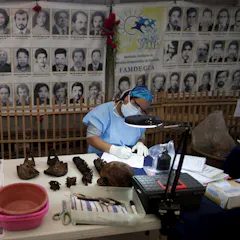
Forensic anthropologist Alexa Hagerty’s work faced her with the brutality of the genocides in Guatemala and in Argentina’s “Dirty War” – and with the bureaucratic violence of state institutions.
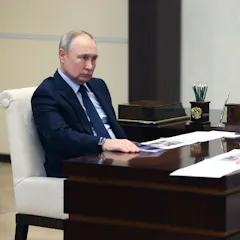
The International Criminal Court sets a high bar for prosecuting heads of state for crimes committed while they are in power.
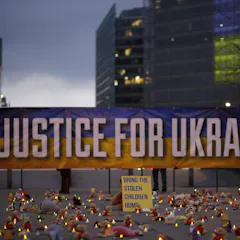
The Genocide Convention says the forced transfer of children could constitute genocide if the intent was to destroy a national, ethnic, racial or religious group.
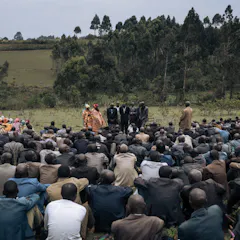
The Banyamulenge have been viewed as strangers in their own country – the violence targeting them revolves around this misconception.
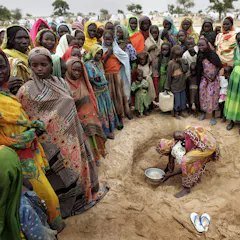
Many genocide classes review the Holocaust or Cambodia’s Killing Fields. A scholar wanted to show that genocide, war crimes, crimes against humanity and ethnic cleansing still happen today.
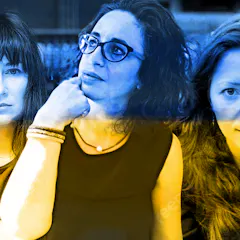
Three Ukranian authors, including Maria Tumarkin – who’s made a powerful statement – have withdrawn from Adelaide Writers Week after harsh criticism of the Ukranian president by a participating author.
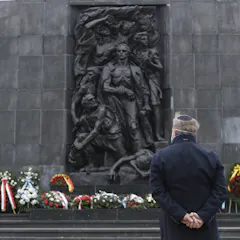
The Holocaust has become a contentious issue in Poland in recent years. And those challenging the government’s historical narrative have faced condemnation and lawsuits.

This theme of this year’s Holocaust Remembrance Day encourages us to ask difficult questions of ourselves and society.
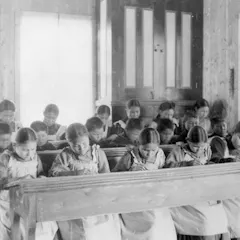
Canada’s recent resolution to label the Indian Residential School system as genocide (and not cultural genocide) is not a mere alteration of words, it is a significant and consequential change.
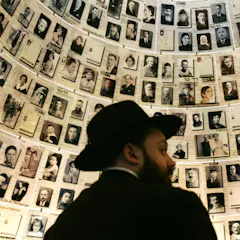
There isn’t one, clear-cut way to prevent genocide. But there are effective methods of prevention that governments can take.
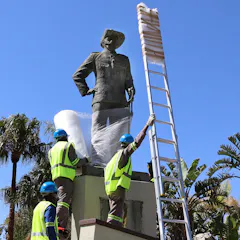
The erasure of indigenous people living in Windhoek before the German colonisers arrived has angered activists.
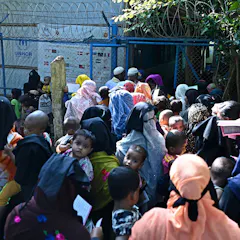
The international response to the refugee crisis in Ukraine has been impressive. But humanitarian aid is falling short to help refugees in other countries such as Bangladesh, Yemen and Ethiopia.
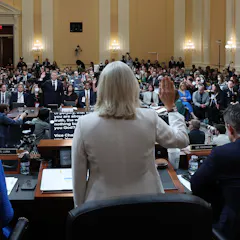
While the Jan. 6 committee investigating the US Capitol attacks has limited legal powers, it can help craft an accurate narrative of American democracy and history.
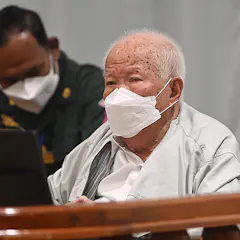
Many Khmer Rouge leaders died before they could be indicted, and attempts to prosecute other suspects were blocked by the Cambodian government. Now, attention is turning to the tribunal’s legacy.
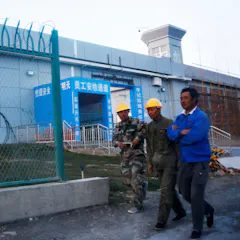
The report shies away from the issue of ‘genocide’, but is still a landmark document with evidence of widespread abuse of Uyghur people.
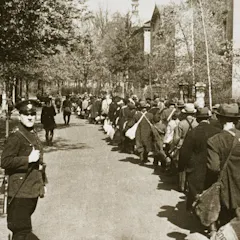
Holocaust scholars long relied on documents and survivor testimonies to help reconstruct the history of that tragic event. Now, they’re turning to wordless witnesses to learn more: pictures.

Visiting Indigenous people on their land was a step in the right direction, but the pope’s visit was full of tensions over both what was said and what wasn’t.
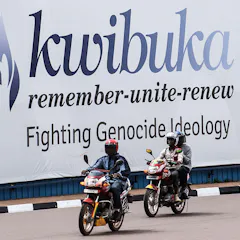
In 2003, Rwanda adopted a policy of ethnic non-recognition. However, for 100 days in a year, it centres ethnicity in the country’s psyche.
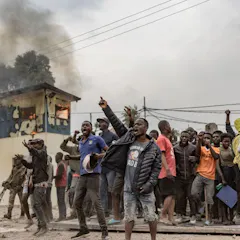
The UN mission is being held responsible for something the Congolese state should be doing.
Top contributors
-

Extraordinary Professor, Department of Political Sciences, University of Pretoria
-
Co-Director, Institute for Genocide and Mass Atrocity Prevention, and Professor of Public Administration, Binghamton University, State University of New York
-
Distinguished Professor of Anthropology; Director, Center for the Study of Genocide and Human Rights, Rutgers University - Newark
-
Professor of Law, University of Waikato
-
Professor in Political Science, Arnold Bergstraesser Institute
-
Associate Professor International Law, Roskilde University
-
Co-Director, Institute for Genocide and Mass Atrocity Prevention, Professor, Department of Philosophy, Binghamton University, State University of New York
-
Professor Emeritus, Department of Political Science, Wilfrid Laurier University
-
Postdoctoral Research Associate, King's College London
-
Professor, Lancaster Law School, Lancaster University
-
Assistant Professor of Law, Osgoode Hall Law School, York University, Canada
-
Professor Emeritus in Global Health & Humanitarian Affairs, University of Manchester
-
Professor of Anthropology, University of the Western Cape
-
Adjunct Professor of Mass Atrocities Prevention, Georgetown University; University of Connecticut
-
Associate Professor, Departments of History and Indigenous Studies, University of Manitoba