
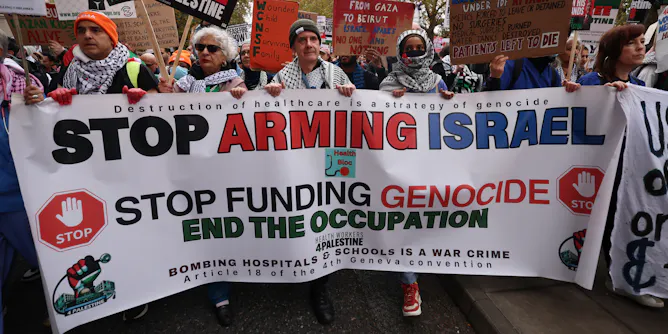
An expert in international law explains what constitutes genocide.
Articles on Genocide
Displaying 61 - 80 of 332 articles

A cultural studies scholar says Netflix’s removal of their ‘Palestinian Stories’ section, along with about 20 films, is more than a simple business decision: it’s instead an act of cultural erasure.
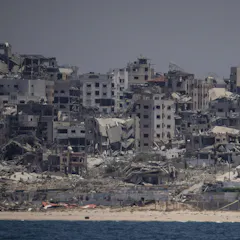
Universities play an indispensable role in supporting the free inquiry needed to do the essential work of analysis, evidence gathering and recording of war crimes.

It’s claimed that more information can solve our crises, from climate change to Gaza. But the world today shows how this vision of reason has tipped over into unreason, anger, and barbarism.
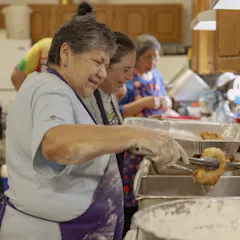
Frybread — a simple, versatile “comfort food” for many Indigenous communities — embodies the contradictions that have dictated Indigenous food and health in North America since colonization.

The destruction of food systems in Gaza and Canada is part of a larger effort of land dispossession and capitalist accumulation. The fight for food sovereignty is about justice and self-determination.
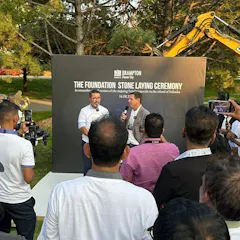
The controversy surrounding this memorial highlights the broader memory wars around the history of Sri Lanka’s civil war: how it is remembered and by whom.

The destruction of Gaza’s historical, cultural and religious sites is part of an effort to wipe the Palestinian people out of history altogether.
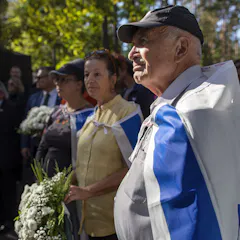
The past is a reality that humanity as whole must contend with, but a lack of understanding is fertile ground for denial, revisionism and antisemitism.

Azerbaijan is positioning itself to play peacemaker at Cop29 in a strategic move to boost its global image.

Australia can take legal action against people accused of atrocity crimes, even if the person isn’t Australian and the alleged crimes were miles away. But the laws are flawed.
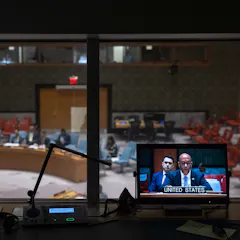
The permanent members of the UN Security Council have repeatedly used their power of veto to block resolutions relating to mass atrocities. Is it time to revoke that power?
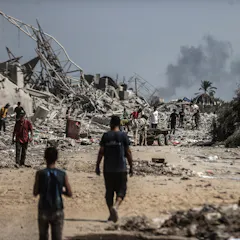
A lack of moral and legal clarity over the Gaza crisis threatens to undermine New Zealand’s international reputation.
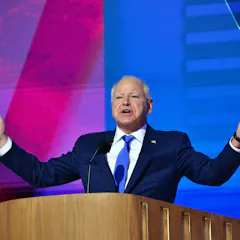
Gov. Tim Walz used geographic information systems as a schoolteacher. How will that experience come into play if he and Kamala Harris win the White House in November?
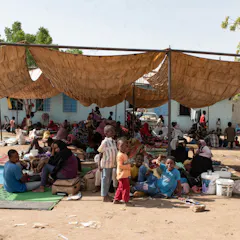
Sudan is the site of one of the world’s worst humanitarian crises, with around 25 million people in need of urgent assistance.

Kigali city’s master plan erases social memory in urban spaces.
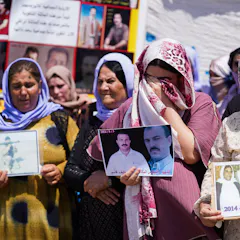
A scholar of Iraq describes the ongoing loss following the genocidal violence by IS − not just of human lives, but of a rich cultural heritage.
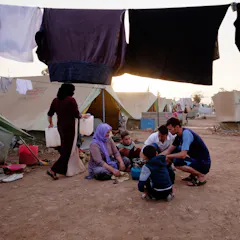
Many of the Iraqi Yazidi minority terrorised by IS a decade ago have been unable to rebuild their lives.
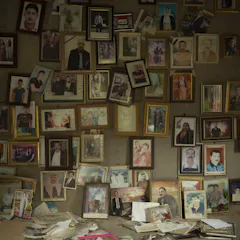
Yezidis are an example of what one scholar calls ‘liminal minorities’: faith communities whose religions’ legitimacy is denied by more powerful groups.
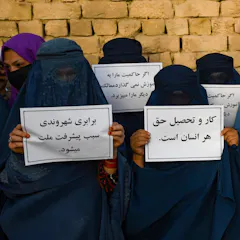
Codifying apartheid could offer significant relief to many victims and survivors who otherwise would not be entitled to adequate recourse from the international community.
Top contributors
-

Extraordinary Professor, Department of Political Sciences, University of Pretoria
-
Co-Director, Institute for Genocide and Mass Atrocity Prevention, and Professor of Public Administration, Binghamton University, State University of New York
-
Distinguished Professor of Anthropology; Director, Center for the Study of Genocide and Human Rights, Rutgers University - Newark
-
Professor of Law, University of Waikato
-
Professor in Political Science, Arnold Bergstraesser Institute
-
Associate Professor International Law, Roskilde University
-
Co-Director, Institute for Genocide and Mass Atrocity Prevention, Professor, Department of Philosophy, Binghamton University, State University of New York
-
Professor Emeritus, Department of Political Science, Wilfrid Laurier University
-
Postdoctoral Research Associate, King's College London
-
Professor, Lancaster Law School, Lancaster University
-
Assistant Professor of Law, Osgoode Hall Law School, York University, Canada
-
Professor Emeritus in Global Health & Humanitarian Affairs, University of Manchester
-
Professor of Anthropology, University of the Western Cape
-
Adjunct Professor of Mass Atrocities Prevention, Georgetown University; University of Connecticut
-
Associate Professor, Departments of History and Indigenous Studies, University of Manitoba