
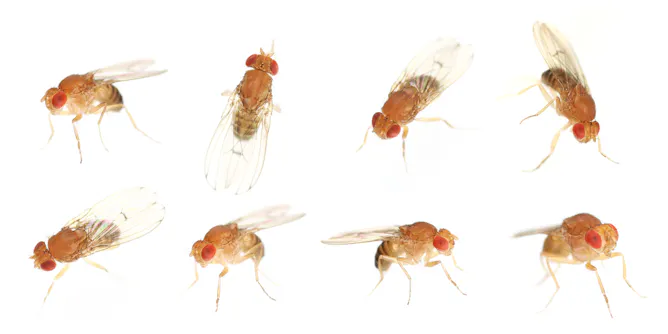
Variability in traits and increased individuality in behaviors is something that can evolve in response to selection, definitely in the lab and potentially also in nature.
Articles on Genetic variation
Displaying all articles

Your DNA contains millions of genetic variants that interact with each other in ways that affect whether diseases such as schizophrenia and heart disease develop, and with what severity.
Two genomic variants contribute to the risk of breast cancer in black South African women.

Environmental factors such as lifestyle and the medications you take influence the effects your genes have on your body − and can clarify how diseases develop.
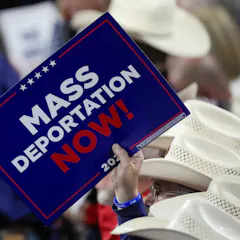
The US has a long history of misusing genetics and biology in immigration policy, the effects of which are still keenly felt today.
Comprehensive genetic testing can provide a more timely and accurate diagnosis and personalised support for autistic individuals and their families.
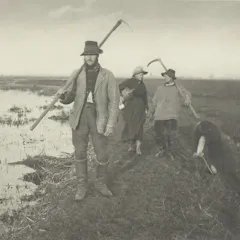
People with a common history – often due to significant geographic or social barriers – often share genetics and language. New research finds that even a dialect can act as a barrier within a group.
The genetic evidence behind why some people suffer longer term concussion effects is growing. But what are the ethical considerations that flow from that knowledge when it comes to sport?
People don’t randomly select who they have children with. And that means an underlying assumption in research that tries to link particular genes to certain diseases or traits is wrong.
A new study hopes to produce a catalogue of human genetic variation and assess the burden of noncommunicable diseases in 100,000 adults in Nigeria.

The first full human genome was sequenced 20 years ago. Now, a project is underway to sequence 1 million genomes to better understand the complex relationship between genetics, diversity and disease.
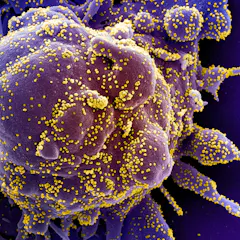
Fundamental research has informed what we know about coronaviruses up until the pandemic. With possible future outbreaks, continuing and developing this type of work is crucial.
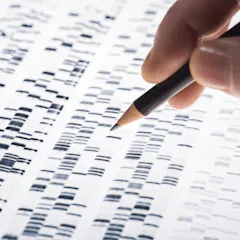
Africa is known to be where humans originated. This makes it the most genetically diverse region in the world. Diversity in other populations represents a subset of the diversity within Africa.
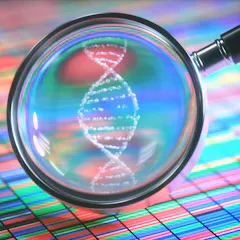
Changes in our environment can reveal previously hidden mutations in our DNA with potentially good and bad consequences.

Why was one gene mutation that affects hair, teeth, sweat glands and breasts ubiquitous among ice age Arctic people? New research points to the advantage it provided for ancestors of Native Americans.
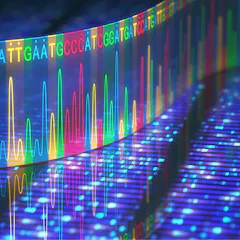
Comparing genomes of more than 200,000 people, researchers identified genetic variants that are less common in older people, suggesting natural selection continues to weed out disadvantageous traits.
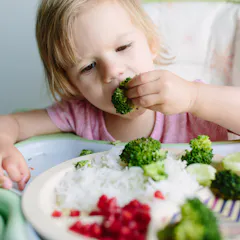
Your genes, your saliva and the bacteria that live in your mouth all shape how food tastes and what you prefer to eat.
Scientists of all kinds turn to computer models to investigate questions they can’t get at any other way. Here’s how models work and why we can trust them.

Despite science refuting the existence of different human races, people have used “race” throughout history to divide and denigrate certain people while promoting their claims of superiority.
Top contributors
-

Professor and Chair of Genomic Diversity, Queen Mary University of London
-
Ph.D. Student in Biological Sciences, Columbia University
-
Research Group Leader and Food R&D policy leader, CSIRO
-
Professor of Physics and Astronomy & Professor of Microbiology and Molecular Genetics, Michigan State University
-
Adjunct Assistant Professor of Biological Sciences, Columbia University
-
Emeritus Professor, University of Cape Town
-
Professor, Chemistry and Biochemistry, Laurentian University
-
Professor and Head Department of Diabetes and Endocrinology, University of KwaZulu-Natal
-
Research Professor, National Research Center on Human Evolution (CENIEH), Spain, and in the United States, Professor, University of California, Berkeley
-
Postdoctoral Researcher in Statistical Genetics, University of California, Los Angeles
-
Professor, Queensland University of Technology
-
Postdoctoral Fellow, Queen Mary University of London
-
Assistant Professor, Faculty of Law, Bond University
-
Ph.D. Candidate in Biological Sciences, Vanderbilt University
-
Assistant Professor of Biological Sciences, Vanderbilt University