
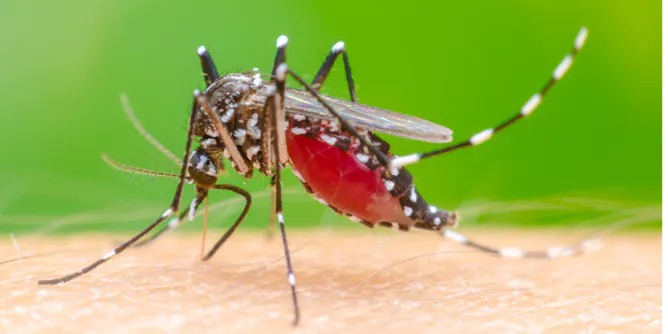
Genetically modified mosquitoes were released in Brazil in an attempt to halt the spread of dengue fever by reducing the mosquito population.
Articles on Genetic modification
Displaying 21 - 40 of 71 articles
South Australia has lifted its moratorium on GM crops, while Tasmania has extended its ban. But the question should no longer be a simple binary of being “for” or “against” GM technology.
Mosquitoes love sugar – so much so that can delay their search for our blood. Now, their sweet tooth may have revealed an important genetic weapon against the spread of mosquito-borne disease.

Scientists are in a race to genetically engineer a new plant resistant to a devastating disease that is threatening to wipe out the banana.

The fight against malaria needs scientific innovation. But community buy-in is just as important.
Synthetic biology is highly promising – but if we don’t get the regulation and engagement right, we risk alienating members of the public, and may even close doors for potentially fruitful research.
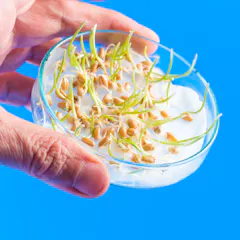
Genetic modification rules now cover gene edited crops but exclude plants bred traditionally with the same properties.
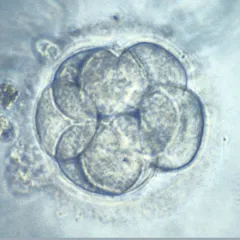
Two researchers are impressed with a pioneering study showing that it may be both safe and effective to edit out diseases in human embryos.

William Isdale talks to Professor Julian Savulescu about the ethical implications of geneticaly modifying humans.
William Isdale speaks with University of Queensland Professor Peter Koopman about CRISPR technology.
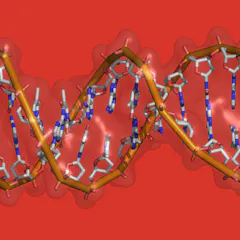
Researchers are starting to harness the potential of this much-hyped gene editing technique – with coming applications in medicine, biology and agriculture.
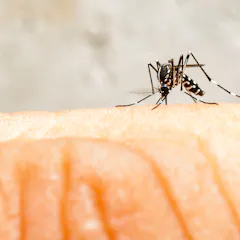
A broad process of communication and consultation should be initiated before gene drives are applied to control pests and diseases in Australia.
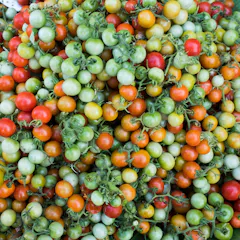
New research pinpoints the genes that could counteract decades of bland breeding.
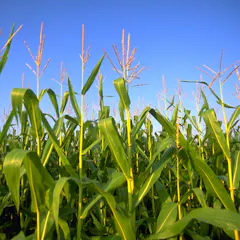
Science and technology has always helped us feed the world. GM has more to offer, if we let it.
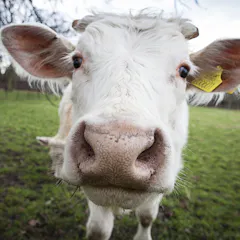
Genetically modified animals can help to feed the world’s burgeoning population, but there is still a lot of misinformation concerning its safety.
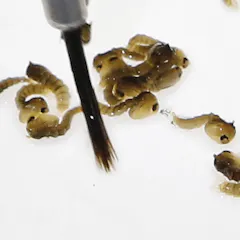
Insecticides and mosquito nets only get you so far. Synthetic biologists are ready to take the battle against mosquito-borne disease to the level of DNA – which might spell the insects’ ultimate doom.

New research suggests how we could prevent genetically modified organisms from surviving - and potentially spreading - in the wild.

The solutions presented by GM crops are rarely tested against the other options. Take a look at our philosophy of farming and it all starts to make sense.
Should the gathering of experts from around the world that’s considering the scientific, ethical, and governance issues linked to research into gene editing ring alarm bells?

While gene editing offers the exciting potential for disease therapies, using it on human embryos opens up a can of worms.
Top contributors
-

Professor and Chair of Philosophy, Wageningen University
-
Senior Lecturer in Food Biotechnology and Microbiology, Agriculture and Food Systems, The University of Melbourne
-
Post Doctoral Fellow and Haematologist, WEHI (Walter and Eliza Hall Institute of Medical Research)
-
Natural Environment Research Council Independent Research Fellow, University of Sheffield
-
Adjunct Fellow, T.C. Beirne School of Law, The University of Queensland
-
Professor; Dean, Melbourne School of Land and Environment, The University of Melbourne
-
Lecturer in Ecology, Evolution and Computational Biology, Newcastle University
-
Principal Investigator, CSIRO Marine and Atmospheric Research, CSIRO
-
Professor and Deputy Director, MRC Laboratory of Molecular Biology, University of Cambridge
-
CSIRO Fellow, CSIRO
-
Professor of Social Work; Head of Logan Campus, Griffith University
-
Medical Researcher, WEHI (Walter and Eliza Hall Institute of Medical Research)
-
Head - Malaria Functional Genomics Unit, WEHI (Walter and Eliza Hall Institute of Medical Research)
-
Lecturer, School of Media, Creative Arts and Social Inquiry, Curtin University
-
Professor of Reproductive Science, UCL