

Can gene editing truly support smallholder farmers and help Indonesia achieve food sovereignty, or will it simply revive the old controversies surrounding GMO crops?
Articles on GM crops
Displaying 1 - 20 of 35 articles

Lose the prickles. Add bioluminescence. Up the nutrients without the bitter flavor. CRISPR gene editing is opening a new world of genetically modified plants for home growers.
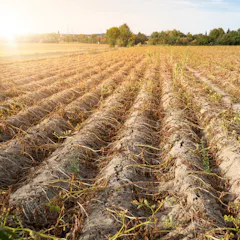
Humans and animals can hide from extreme heat. But plants have no escape. To protect our crops from the heat to come will likely mean modifying them.
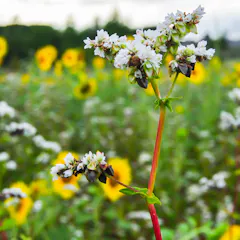
Biotech firms are using climate goals opportunistically in an attempt to force through the deregulation of genetically modified crops.

Recent study investigated how fast genes are being transferred between distantly related species.
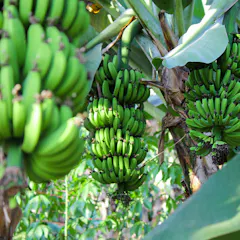
Each food-based vitamin A programme carries different advantages and issues.
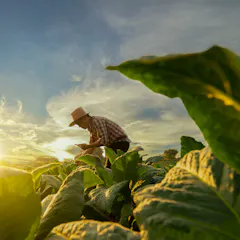
Field trials of genetically edited crop plants are to be allowed in England under new government proposals.
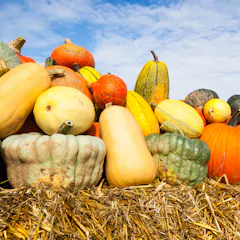
Catherine Price, sociologist, and Nicola Patron, synthetic plant biologist, discuss the promises, dangers and concerns around gene edited and GM crops.

A new biotech regulation allows companies to self-police and decide which crops should be regulated. The new rule is likely to amplify greater distrust of GM crops.
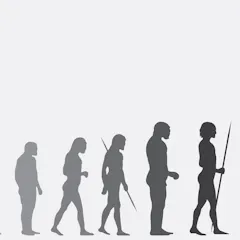
One reason for the likes of the anti-vaxxers movement is a misplaced faith in Mother Nature.
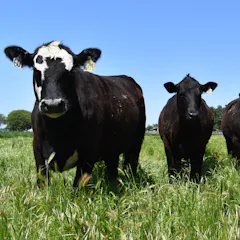
According to current regulations, animals that have been genetically edited, like pigs or cows, are considered drugs. What are the consequences of such rules on American livestock and agriculture?

Predictions suggest that Africa will suffer dramatic losses of crops and productive land as the climate warms. Perhaps adopting GM crops designed to tolerate stress can save the continent from famine.
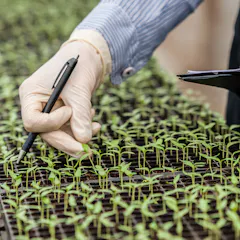
Synthetic biology is highly promising – but if we don’t get the regulation and engagement right, we risk alienating members of the public, and may even close doors for potentially fruitful research.
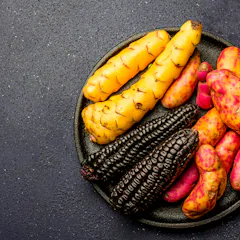
Over half the calories humans eat today come from corn, wheat and rice. Raising a greater diversity of types of crops and animals (agrobiodiversity) makes diets healthier and farming more resilient.
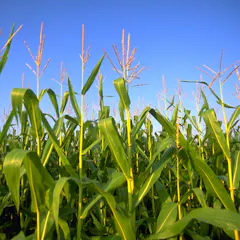
Science and technology has always helped us feed the world. GM has more to offer, if we let it.

Everything from domesticated carrots to glow-in-the-dark tobacco fits somewhere on the spectrum. ‘Banning GM’ isn’t a simple yes-no decision.
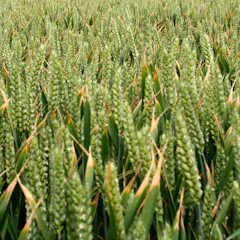
Modern agriculture is synonymous with monoculture. That lack of diversity is bad news for plants’ natural immune defenses. Researchers are figuring out how to help plants fend off microbes – without pesticides.

Monsanto an other biotech companies got caught short in the 1990s. But since then, the GM argument has been moving in their direction.
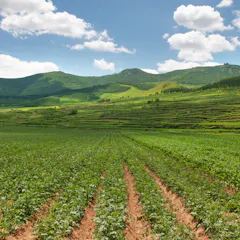
The solutions presented by GM crops are rarely tested against the other options. Take a look at our philosophy of farming and it all starts to make sense.
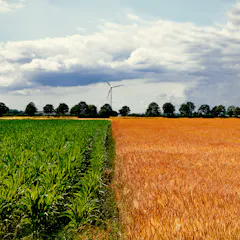
Why are half of European Union members opting out of GMO crops? Hint: it’s not about food and environmental safety.
Top contributors
-

Lecturer in Law, Queen's University Belfast
-
Professor, Australian National University
-
Visiting Professor of Biotechnology, King's College London
-
Professor for Plant Cell Biology and Biotechnology, University of Leeds
-
PhD researcher in Conservation Genetics, Queen Mary University of London
-
Ph.D. Student in the School of Plant and Environmental Science, Virginia Tech
-
Professor of Plant Biology, Sainsbury Laboratory
-
Professor of Agriculture, Curtin University
-
Postdoctoral Researcher, Universitat de Vic – Universitat Central de Catalunya
-
Postdoctoral Researcher, GenØk - Centre for Biosafety
-
Senior Research Fellow, Agroecological Futures, Coventry University
-
Professor of Molecular Nutrition, University of Stirling
-
Professor and Deputy Director, MRC Laboratory of Molecular Biology, University of Cambridge
-
Senior Research Fellow in Anthropology, Durham University
-
Researcher, Department of Animal Science, University of California, Davis