

A new safety standard and proposed guardrails for high-risk AI are a good start toward clearing up confusion around the latest technology.
Articles on Generative AI
Displaying 161 - 180 of 254 articles

We can celebrate the vision and ambition of the Dartmouth Conference. But we must also learn from its mistakes.
Generative AI needs tons of data to learn. It also generates new data. So, what happens when AI starts training on AI-made content?
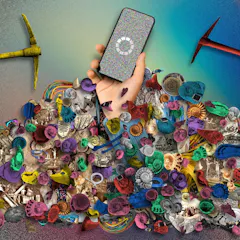
Early expectations for generative AI are deflating – but realistic applications are beginning to emerge.
The media landscape is rapidly changing – and everyone needs to know how to participate in it.

Google’s recent ad controversy brings up key questions about the preservation of human skills, and the ethical and social implications of integrating generative AI tools into everyday tasks.

Firms are taking big bets on the technology’s potential to transform consulting work. But they shouldn’t lose sight of the unique value humans can bring.

These cables are typically no wider than a garden hose.

After news, art and music, generative AI has found a new resource to mine: academia

New technologies are disrupting the fashion industry. From virtual showrooms to supply chain management, these technologies carry both opportunities and threats.

The government has revived the Fair Digital News Bargaining Bill, but the way AI may be skewing news results and visibility is off the table for now. My new research suggests it should be a priority.

Human Rights Watch has sounded the alarm over Australian children’s images found in a huge data set used to train AI models. It could be a breach of our privacy law.

Generative AI music apps Suno and Udio are alleged to have copied significant amounts of famous recordings.

Ways to interact with virtual versions of our deceased loved ones are now a possibility – but there’s a raft of ethical and emotional challenges involved.

We’ve tried to take a clear-eyed view of the pros and cons to help governments decide how to move forward.
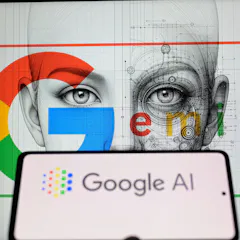
Google’s use of artificial intelligence to power its searches is an alarming development, especially considering how search engines are driven by financial interests.

The AI train has left the station. Now, guardrails need to be hastily built to keep the technology from running the music industry off the tracks.

Media outlets like The Australian and The Daily Telegraph will now share their content with the makers of ChatGPT. It raises many questions about the future of journalism and how people access news.

Is most of the content on the internet fake? Here’s what the dead internet theory really means – and why we should be warier of how we’re manipulated for profit and political gain.

AI may shore up an industry experiencing economic headwinds. But in a field where professional ethics and public trust are particularly important, it’s a risky endeavor.
Top contributors
-

Associate Professor of Visual Communication & Digital Media, RMIT University
-
Senior Lecturer in Law, University of New England
-
Associate Professor of Linguistics and Director of Language Lab, The University of Western Australia
-
Senior Lecturer in Law and Emerging Technologies, Western Sydney University
-
Senior Lecturer in Business Information Systems, University of Sydney
-
Professor of Philosophy and Director of Applied Ethics Center, UMass Boston
-
Professor in Computational Intelligence, Australian Catholic University
-
Adjunct Lecturer in Public Policy, Harvard Kennedy School; University of Toronto
-
Professor of Digital Communication, Director of QUT Digital Media Research Centre, Queensland University of Technology
-
Professor of Computer Science and Director of the Art & AI Lab, Rutgers University
-
Director of Sydney Executive Plus, Business School, University of Sydney
-
Professor of Computer Science, University of California, Berkeley
-
Associate Professor of Information Science, University of Colorado Boulder
-
Assistant Professor, Faculty of Business, University of New Brunswick
-
Associate Professor of Political Science, Brock University