
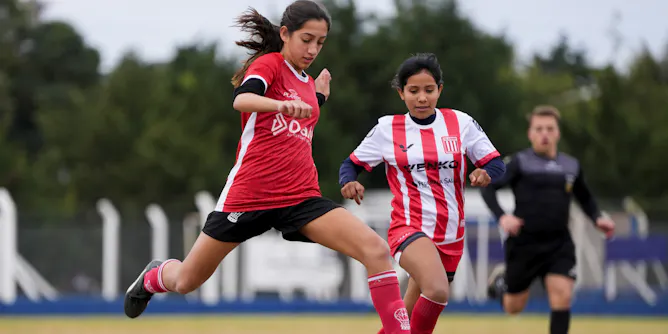
There remains a glaring lack of structural support and policies to address the ways menstrual health impacts women’s and girls’ participation in sports at all levels, from grassroots to elite.
Articles on Gender and sport
Displaying 1 - 20 of 27 articles
A recent study highlights the significant long-term socioeconomic benefits of sports participation for women and girls.
Women athletes in various stages of pregnancy have continually challenged the perception of what a woman can do while pregnant, but they need more support.
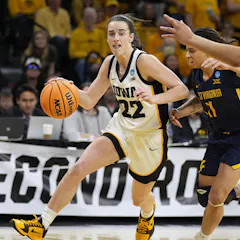
This year’s NCAA tournament might represent another high-water mark for women’s sport as new standards are set for ratings and even more pressure falls on the game’s superstars.
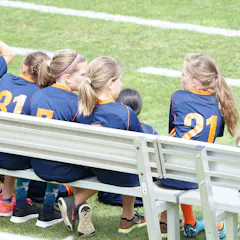
Modernising facilities can provide a short-term excitement, but it’s their management over the long term that will influence whether women and girls participate.
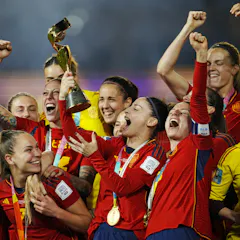
By examining the FIFA Women’s World Cup performances, we can gain insights into the efforts countries are making to address gender inequality beyond sports.
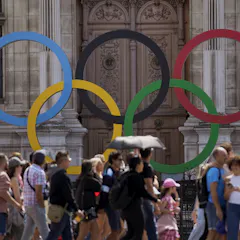
The IOC needs to look beyond gender parity and work with international federations to address athletes’ conditions of participation in sports to achieve true gender equality.
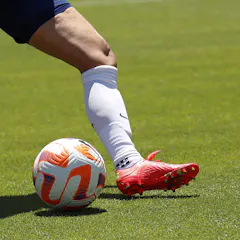
While positive change has been seen, especially surrounding this year’s Women’s World Cup, there is still much work to be done by organizations governing women’s professional sports.
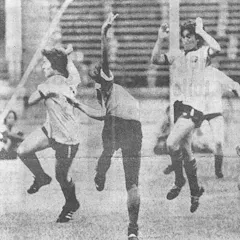
In the lead-in to the 2023 FIFA Women’s World Cup, it is revealing to look back on the media coverage of women’s international soccer.
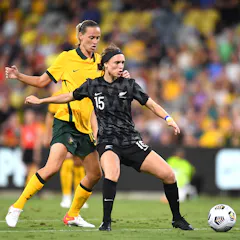
The successful Australia-New Zealand bid for the Women’s World Cup made much of the tournament’s potential to build the game for girls and young women. History suggests this is easier said than done.

The first WNBA game in Canada was more than just a game — it was about the future of women’s sports.

The presence of women and girls was on display in all aspects of the tournament and the fresh air of empowerment could signal a new dawn for women’s and girls’ hockey.

Breaking the bronze ceiling - an expert explains why there are so few statues of sportswomen in the UK.

True gender equity in sport is not simply a matter of paying lip service to equal rights and opportunities. It involves interrogating outdated assumptions and being open to rewriting the rule book.

Record attendance of professional women’s matches show support is higher than at any time in history.
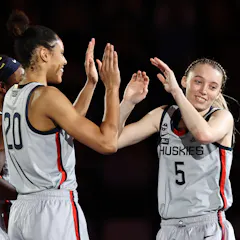
Women college athletes face far more limited career prospects than men. The NCAA’s new endorsement rules may help level the playing field when it comes to making money from their athletic ability.
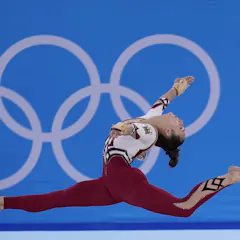
The Tokyo Olympic Games are being called the most gender-equal Games ever — but does that label hold up under scrutiny?
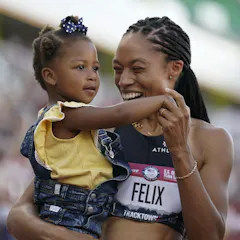
The Tokyo Games might be the most gender-equal games in history, but many competition barriers still exist for elite athletes who are mothers.
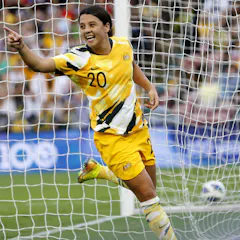
In the absence of live sport, curated lists have abounded- but they have been mostly by men, featuring men’s sports.
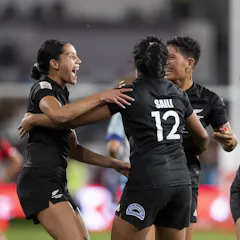
Sports have been out of action during the coronavirus lockdown, but the recovery period is a chance to redefine sporting success beyond winning and profit margins.
Top contributors
-

Assistant Professor, Lang School of Business, University of Guelph
-
Professor, Deakin University
-
Clinician Scientist, Canada Research Chair in Injury Prevention and Physical Activity for Health, Sport Medicine Physician, Schulich School of Medicine & Dentistry, Western University
-
Assistant Professor, Sport Management, Brock University
-
Professor, Sport Management and Director, Centre for Sport Capacity, Brock University
-
Associate professor, California State University, Fullerton
-
Senior Lecturer, Exercise Sport Sciences, Federation University Australia
-
Senior Lecturer (Statistician), University of Sheffield
-
Associate Professor, University of Otago
-
Lecturer in Sport Management, University of Stirling
-
Researcher in Sports & Cultural Policy, Chinese University of Hong Kong
-
Adjunct Professor, Swinburne University of Technology
-
Football Consultant & Visiting Senior Lecturer in Strategy and Governance in Women's Football, University of Portsmouth
-
Research Assistant, Sport, Allyship, and Inclusion Lab, Brock University
-
Professor and Dean School of Management, RMIT University