
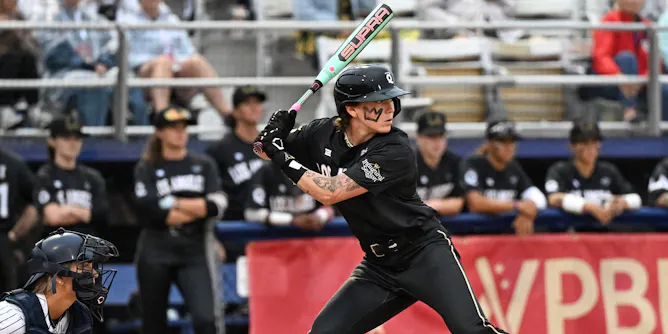
What will it take for the league to survive, expand and carve out its own identity in an increasingly saturated pro sports landscape?
Articles on Female athletes
Displaying 1 - 20 of 44 articles
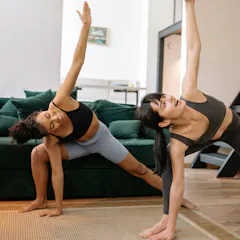
Reducing pain and boosting body positivity are two benefits of ‘cycle syncing’, according to social media.
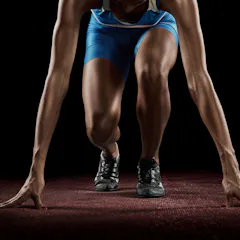
Genetic testing is now required to participate in women’s events in the Olympics. But the new policy oversimplifies biological sex and risks discrimination against some female athletes.

With legend Andre Galvao accused of sexual misconduct, gyms and athletes have been forced to confront a culture of silence, hierarchy and gender blindness in the sport.
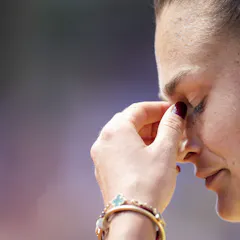
Billie Jean King’s 1973 match was about social change. The upcoming Sabalenka-Kyrgios event – with its rules tweaks and its participants’ questionable politics – may leave women’s tennis worse off.
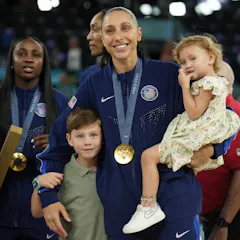
Portraying athlete mothers as super moms and their successes as surprising ignores the difficulties of balancing motherhood and sport without support.

A controversy involving a man dressing as a woman to access cheaper golf memberships highlights the challenges facing the sport, and women golfers, in Australia.
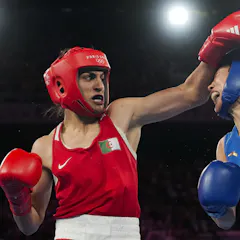
To achieve more diverse and inclusive sport environments, it is essential to prevent and appropriately respond to gender-based violence, including incidents of online public shaming.
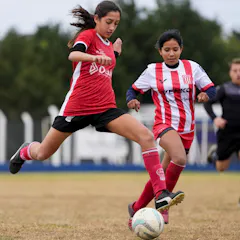
There remains a glaring lack of structural support and policies to address the ways menstrual health impacts women’s and girls’ participation in sports at all levels, from grassroots to elite.
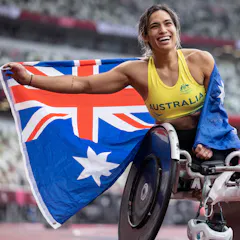
Just 19% of women with disability are regularly involved in organised sport, which is a big concern nine years before the Brisbane Paralympics.
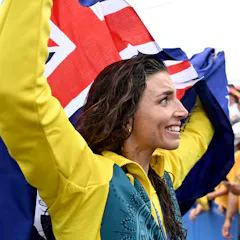
The Paris games have been labelled the first Olympics to achieve gender equality but are the changes enough?
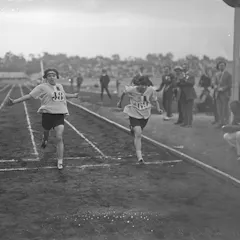
The modern Olympics were designed for men, and have gone to great lengths to exclude female athletes.
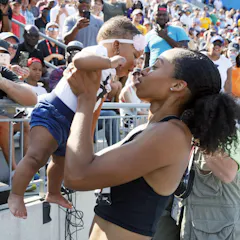
While there has been large advances and successes for athlete-mothers and progress since the 2020 Tokyo Olympics, there is still work to be done to improve postpartum care and support.
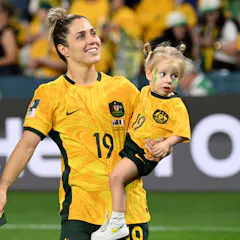
A nursery for Olympic athletes is a small step forward for women returning to sport after birth. But what’s happening among Australian sporting codes?
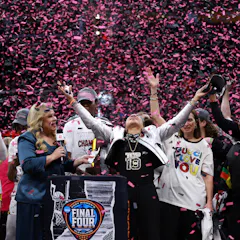
Sports media has typically operated under a ‘one and done’ model: focus on women’s sports during high-profile events, before returning to routine coverage of men.
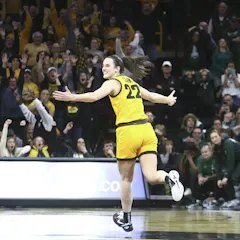
Before being pushed aside by the NCAA, the AIAW, which was designed for and by women, governed women’s college athletics.
A common criticism of women’s sports is that female players aren’t as entertaining or skilled as their male counterparts. Two researchers decided to put this notion to the test.
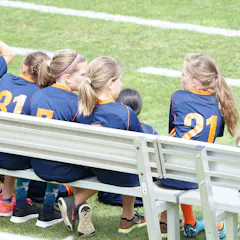
Modernising facilities can provide a short-term excitement, but it’s their management over the long term that will influence whether women and girls participate.
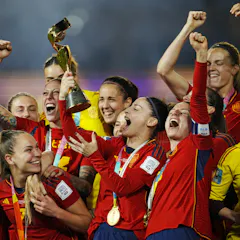
By examining the FIFA Women’s World Cup performances, we can gain insights into the efforts countries are making to address gender inequality beyond sports.
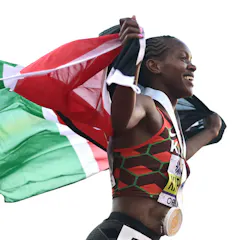
With three world records to her name, Faith Kipyegon is competing for two gold medals at the World Athletics Championships.
Top contributors
-

Clinician Scientist, Canada Research Chair in Injury Prevention and Physical Activity for Health, Sport Medicine Physician, Schulich School of Medicine & Dentistry, Western University
-
Professor of Kinesiology, University of Saskatchewan
-
Postdoctoral Researcher, University of Zurich
-
Professor, Lincoln University, New Zealand
-
Yale University
-
PhD Candidate, Rehabilitation Sciences, University of British Columbia
-
Professor of Educational Psychology & Higher Education, University of Nevada, Las Vegas
-
Senior Clinical Psychologist, The Cairnmillar Institute
-
Associate Professor, Educational Technology, Université Laval
-
Assistant Professor of Marketing, North Central College
-
Associate Professor of Economics, University of Stavanger
-
Professor in Sociology of Sport and Gender, University of Waikato
-
Assistant Professor of Kinesiology, McDaniel College
-
Senior Lecturer in Tourism and Events, University of Newcastle
-
Assistant Professor in Kinesiology, University of Saskatchewan