
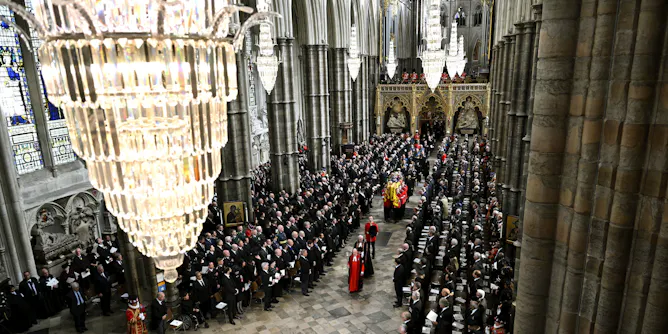
A scholar of British history explains how the ornate church and its significance to the monarchy have changed over centuries.
Articles on Funerals
Displaying 21 - 40 of 59 articles
An expert on grief says give people space and time to come to terms with loss and don’t expect them to need – or want – ‘closure.’

As late as 1970, only about 5% of Americans chose to be cremated. In 2020, more than 56% Americans opted for it.
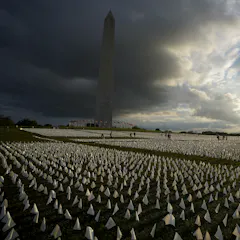
The Civil War – the second-most-deadly event in US history, just behind COVID-19 –contributed to lasting changes in how Americans care for the dead.
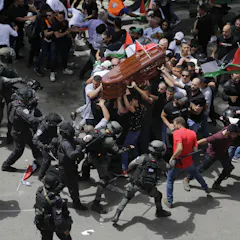
In trying to present violent events in ‘neutral’ language, media reports may be ignoring power imbalances when it comes to Israeli police or military violence against Palestinian civilians.
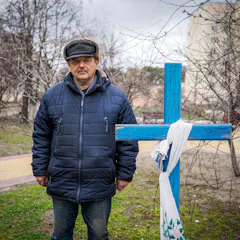
Ukrainian families’ anguish at not being able to bury their loved ones underscores a deep human need, an anthropologist writes.
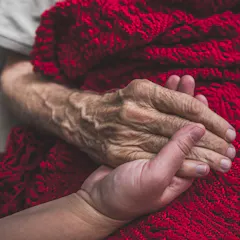
Green burial is not a new concept, but it is gaining interest among consumers, and some religious groups are leading the way. A theologian explains what’s involved and who natural burials appeal to.
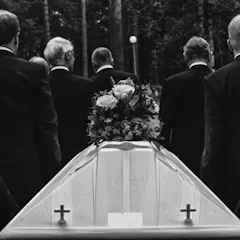
For those who can’t afford to pay funeral costs, state support is patchy at best and unlawful at worst.
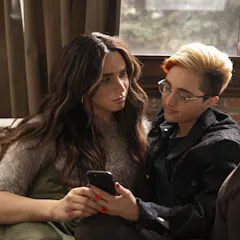
The negative impact of the pandemic on grief has raised concerns. Our study shows that 15 per cent of people dealing with grief are at risk of what’s known as complicated grief.
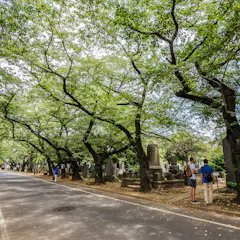
In a Japanese tree burial, cremated remains are placed in the ground and a tree is planted over the ashes to mark the gravesite. Environmental responsibility is part of Buddhism.
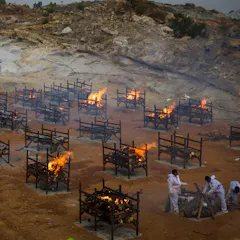
As cremation grounds struggle to keep up with the long line of people dying from COVID-19, age-old customs are being pushed aside.

Religious scholars and faith leaders reflect on the death rites cultures have developed to honor the deceased, comfort the living and share the burden of mourning.
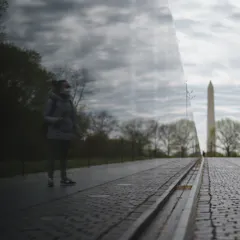
Unlike those who died during the Vietnam War, those who perish during the current pandemic are unlikely to receive a national memorial. Perhaps they should.
The objects we gather around us - from op shops, from roadsides, from the intimate spaces of lost loved ones - are far from inanimate. They carry wisdom, comfort and guidance.
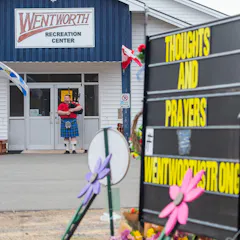
Virtual music vigils after the Nova Scotia shootings draw on a long tradition of Atlantic Canadian disaster songs and ‘broadside ballads’ to mourn in a time of social distancing.
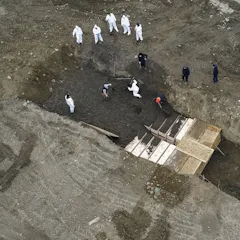
From burial sites targeted by grave robbers to disposing of ashes at sea, the job of disposing of the unclaimed dead has a rich history. Sadly, it still goes on today and is on the rise.
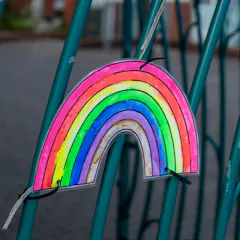
My research as a professor of death studies shows how facing up to our own mortality can offer the opportunity to rediscover some positive truths about life.
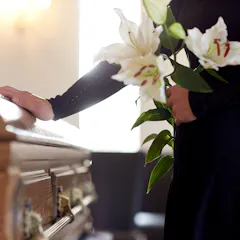
Funerals, as we know them, will regrettably but necessarily be another of our social rituals that must radically alter in the short-term.
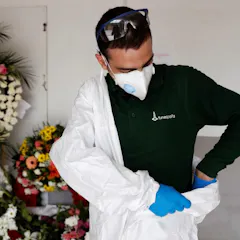
Funeral homes, crematoria and morgues face many challenges in the months ahead as the coronavirus death toll rises.
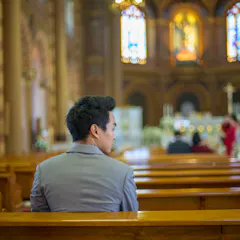
For people of faith, for whom communal prayer and service are central to their beliefs, the need to stay away from each other is particularly challenging.
Top contributors
-

Honorary Professor of Accounting, University of Wollongong
-
Professor of Accounting, University of Sydney
-
Professor of Law, Wake Forest University
-
Assistant Professor in Philosophy and Religious Studies, Texas State University
-
Professor of Property Law and Death Studies, Queen's University Belfast
-
Professor Emeritus of Death Studies, University of Bath
-
Reader in Sociology, University of Bath
-
Associate Professor, Faculty of Dentistry, McGill University
-
Research Assistant in Archaeology, University of Hull
-
Professor, biological anthropologist and anatomist, UNSW
-
Professor, Social Work, University of Waterloo
-
Instructor (Grief Education Program), Therapist, Social Worker, Consultant, University of Toronto
-
Research Fellow, Coventry University
-
Professor, English and Folklore Studies, University of Oregon
-
Impact Research Fellow, University of Stirling