
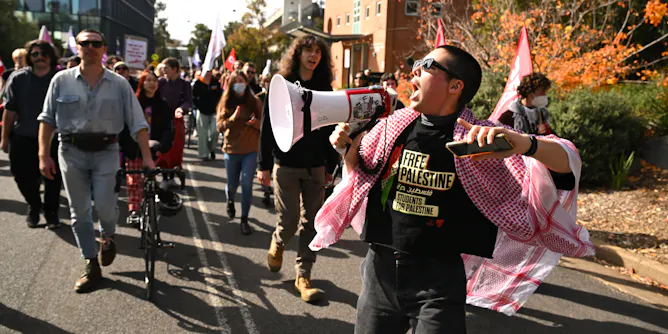
Over the past year, all of Australia’s eight top research universities have increased restrictions on campus protests.
Articles on Freedom of speech
Displaying 21 - 40 of 225 articles
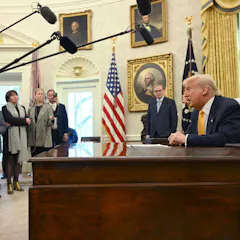
Your money is safer in a transparent and accountable environment.
John Adams signed the Sedition Act in an attempt to silence dissent. Some other Founding Fathers thought that muzzling the press would mean the end of the republic.

Journalists have protested their media outlets’ decisions to run the Trumpet of Patriots ads. They were right to do so.
New Zealand’s trademark statute still rejects swear words or other terms “likely to offend”. So how did “THIS IS THE F#$%ING NEWS” win approval?

A historian of artistic censorship sees chilling similarities to 19th-century anti-obscenity crusades.
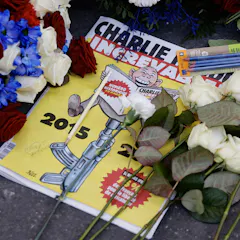
When satire targets marginalized groups, it risks reinforcing harmful stereotypes rather than challenging them.
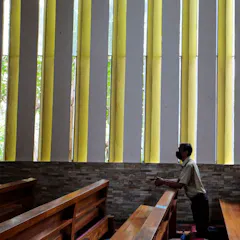
As one of the last large, influential organizations outside the government, the church is being targeted in Daniel Ortega’s ongoing crackdown.

In recent years, Australia has been dubbed the “defamation capital of the world”. High-profile legal stoushes in the headlines seem to back this up. How can we reconcile this with freedom of speech?
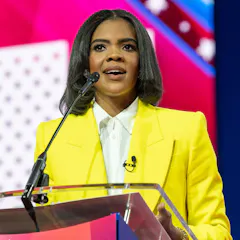
Owens reaches million of people online and wants to do five shows across Australia, but there are calls to deny her entry. Here’s what the federal government has to consider.
Proposed legislation to combat misinformation and disinformation needs to tackle some thorny issues, while preserving freedom of speech.
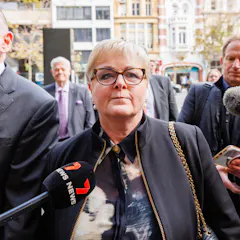
As Linda Reynolds’ defamation trial against Brittany Higgins continues, Peter Dutton is apparently considering suing fellow MP Zali Steggall. Our legal system is out of step with democracy.
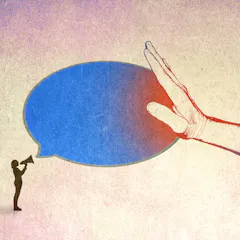
Americans agree that democracy requires freedom of speech. But a large minority also thinks it’s acceptable to bar certain subjects or speakers from public debate.

While the First Amendment protects a wide range of different kinds of speech, there is no fundamental right to cause harm.
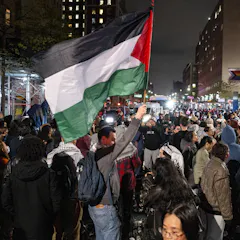
It’s now clear that tensions in academia regarding concerns about Israel’s relationship with the Palestinian people aren’t limited to campus protests.

Many people agree freedom of speech has its limits and the law has some role to play in prohibiting harmful speech. But what should these laws look like?

The eSafety Commissioner has dropped its Federal Court case against Musk’s X (formerly Twitter), but it’s not the end of the attempts to regulate online material - here and abroad.
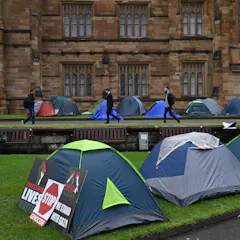
Students have now been protesting on Australian campuses for weeks. But as the camps become more established, so, too, do concerns about student safety.
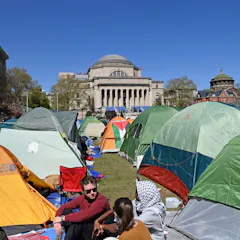
Police and military violence against student protesters in the 1960s was draconian, now questions are being asked about the police operations today.
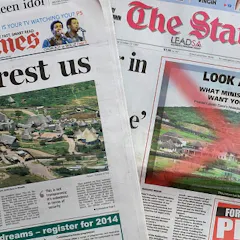
There is much to celebrate about the critical role the media have played in 30 years of democracy. But challenges remain.
Top contributors
-

Professorial Fellow, University of Canberra
-
Deputy Executive Dean and Associate Dean (Academic), Faculty of Humanities, Arts and Social Sciences, The University of Queensland
-
Senior Research Fellow, Centre for Advancing Journalism, The University of Melbourne
-
University Research Professor of Education, University of Kentucky
-
Professor Emeritus of Communication and Rhetorical Studies, Syracuse University
-
Joseph Panzer Chair in Education and Research Professor of Law, University of Dayton
-
Emeritus Professor of Sociology, University of Technology Sydney
-
Professor of Private International Law and EU law, University of Aberdeen
-
ERC Postdoctoral Fellow, Hebrew University of Jerusalem
-
Lecturer in Commercial Law, University of Aberdeen
-
Associate professor, The University of Western Australia
-
Brechner Eminent Scholar in Mass Communication, University of Florida
-
Associate Professor of Philosophy and Law, Wayne State University; Institute for Humane Studies
-
Assistant Professor of Political Science, American University in Cairo
-
Honorary Research Fellow, Department of International Politics, City St George's, University of London