

Without sustained support for education, housing and mental health, many former youth in care become involved in the criminal justice system.
Articles on Foster care
Displaying 1 - 20 of 66 articles
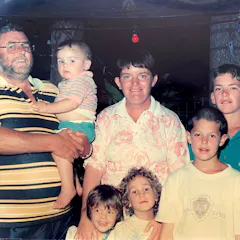
Lech Blaine grew up worrying a pair of nomadic Christian fanatics would appear to try to kidnap his foster siblings. One day, they showed up. His memoir tells the story.

The child protection system didn’t protect Bundjalung Widubul-Wiabul woman Vanessa Turnbull-Roberts – it removed her from a loving family. Her book is a reality check.

It’s hard to start living on your own after turning 18 and aging out of foster care.
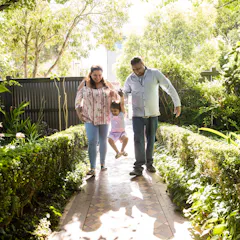
Just over half of Aboriginal and Torres Strait Islander children in out-of-home care live with a kinship carer. Targets aim to increase this proportion. But what is kinship care?

Canada needs to focus on tracking, monitoring and evaluating the economic, health and social outcomes of former youth in care, especially as they transition from government care.
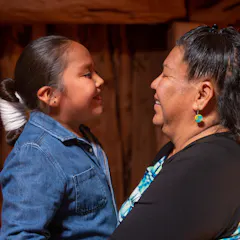
Native American families have endured generations of systematic child removal, but the grief, loss and trauma that birth mothers still experience have been largely overlooked.
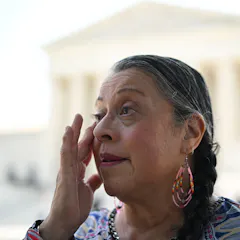
A Supreme Court ruling has upheld the right of Congress to pass laws about Native American tribes’ rights to self-government.

Ontario’s new policy on youth leaving care comes into effect April 1. While the policy provides welcomed support for youth, there are still gaps that need to be addressed.

Rather than policing or separating families, a new collaborative movement born in the US seeks to find better ways to support children, families and communities.
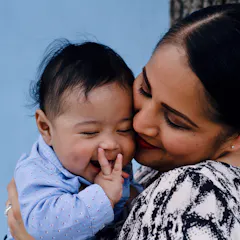
ParentsNext requires the parents of very young children to perform monitored activities in return for Centrelink payments. Eve Vincent talks to single mothers about ‘the indignity of investigation’.

Children may struggle to recall basic words in their first language within a couple of months of stopping using it.

We surveyed 232 foster and kinship carers who had provided care to a baby in out-of-home care sometime in the last five years. Many were not well supported to care for babies.

Children and youth in care are more likely to have experienced trauma that can affect future health. A comprehensive, trauma-informed health strategy for these children and youth is long overdue.
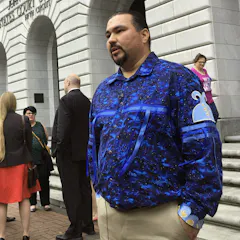
A case before the Supreme Court will determine whether a federal law meant to protect Native American children from being forcibly removed from their families is constitutional.

Despite a series of federal measures requiring greater efforts to preserve family unity, many policies make life harder for people swept up in the system.
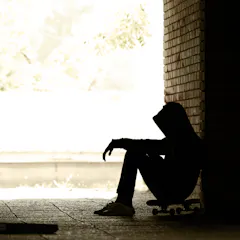
Most exit the out-of-home care system at 18, or younger, without ongoing support.

Children are removed from families and placed in care when we think they are being harmed or their needs neglected. But data shows the vast majority aren’t getting recommended health care.

In the next year, public support will be needed more than ever to ensure that the spirit of the agreement is respected and translated into meaningful change for First Nations children.

For youth under state guardianship the state has assumed the role of the parent. But state parenting falls short of how most people would treat their children.
Top contributors
-

Lecturer in Social Work, The Open University
-
Full Professor and Associate Vice-President, Research, Mount Saint Vincent University
-
PhD candidate (health), Dalhousie University
-
Assistant Professor, Department of Social Science, York University, Canada
-
Director, Kath McFarlane Consulting & Adjunct Associate Professor, The Kirby Institute, UNSW
-
Professor, Faculty of Education, Memorial University of Newfoundland
-
Assistant Professor in the Department of Community Health Sciences, University of Manitoba
-
Professor of Psychology, Saint Mary’s University
-
Clinical Professor of Social Work, Boston University
-
Professor of Law and Adjunct Professor of Political Science, Wayne State University
-
Senior Lecturer, Political Science and International Relations, University of Canterbury
-
Associate Dean and Chief Academic Officer for Nursing and Director, Project Healthy Grandparents, Byrdine F. Lewis College of Nursing and Health Professions, Georgia State University
-
Professor of Dental Public Health, University of Glasgow
-
Reader in Education with Psychology and Centre for Death and Society, University of Bath
-
Senior Lecturer in Social Sciences (Psychology), Cardiff University