

Canada remains one of the few high-income countries without a national oversight body focused on the well-being of children and youth.
Articles on Child welfare
Displaying 1 - 20 of 44 articles

Overseas experience suggests predictive tools can improve child protection, if used carefully. Should NZ reconsider its stance?
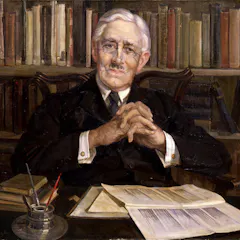
Once revered as a great humanitarian, Truby King has recently been characterised as a eugenicist. Seeing him in the context of his times might restore some balance.

Society as a whole can benefit from programs that protect kids because the harms experienced in childhood can last a lifetime.

To create inclusive, sustainable communities, we must challenge the restrictive boundaries that confine children’s experiences.

Former youth in care deserve equitable educational opportunities. Better longitudinal data is needed around how youth and adults successfully transition to and complete post-secondary education.
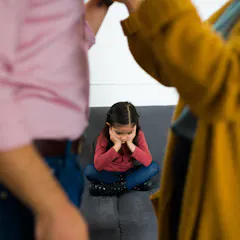
Equal shared parental responsibility will no longer automatically be considered to be in a child’s best interest. That’s a good thing, particularly in domestic violence situations.

A royal commission into sexual abuse in Aboriginal communities is not the way to address abuse against Aboriginal children. Indigenous-led solutions are needed.
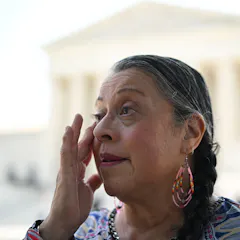
A Supreme Court ruling has upheld the right of Congress to pass laws about Native American tribes’ rights to self-government.
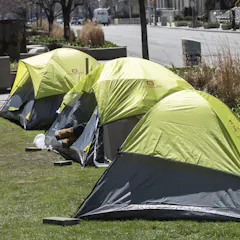
While technology can be a useful tool, it can also divert funding and attention from the root causes of the social welfare issues it aims to address.
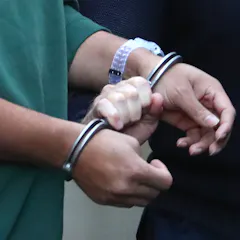
We wanted to quantify what social factors increase a person’s chance of ending up in prison, and to use that to improve policy and reduce the harms and costs of incarceration.

Ontario’s new policy on youth leaving care comes into effect April 1. While the policy provides welcomed support for youth, there are still gaps that need to be addressed.
The new report calls for funding and support for Aboriginal community controlled organisations. They are best placed to lead reform and to make decisions about the wellbeing of Aboriginal and Torres Strait Islander children.
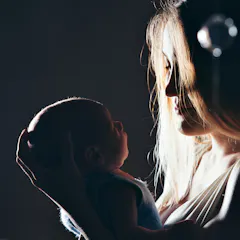
We surveyed 232 foster and kinship carers who had provided care to a baby in out-of-home care sometime in the last five years. Many were not well supported to care for babies.

Children and youth in care are more likely to have experienced trauma that can affect future health. A comprehensive, trauma-informed health strategy for these children and youth is long overdue.
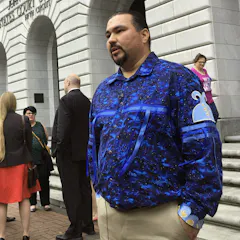
A case before the Supreme Court will determine whether a federal law meant to protect Native American children from being forcibly removed from their families is constitutional.
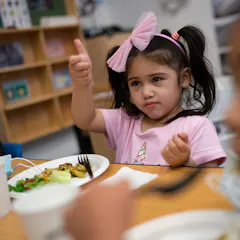
States taking the strictest stands against abortion tend to have among the worst statistics in the nation on child and family well-being.
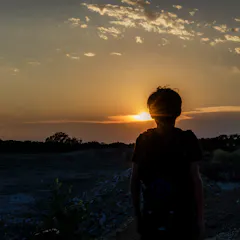
One 11-year old girl told us she knows once rent is paid, there is almost nothing left over. So she never takes school excursion notes home, in case the cost is too much.

Despite a series of federal measures requiring greater efforts to preserve family unity, many policies make life harder for people swept up in the system.
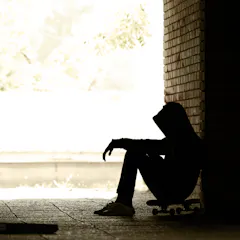
Most exit the out-of-home care system at 18, or younger, without ongoing support.
Top contributors
-

Full Professor and Associate Vice-President, Research, Mount Saint Vincent University
-
Associate professor, Faculty of Law, L’Université d’Ottawa/University of Ottawa
-
Professor of Social Development Studies, University of Johannesburg
-
Professor of Law and Adjunct Professor of Political Science, Wayne State University
-
Professor, Faculty of Education, Memorial University of Newfoundland
-
Extraordinary Research Fellow: South African Research Chair in Cities, Law and Environmental Sustainability, Faculty of Law, North-West University
-
Professor of Economics, Grinnell College
-
Professor of Family Law, University of South Carolina
-
Senior researcher, Children's Institute, University of Cape Town
-
Associate Dean Law, Edith Cowan University
-
Director of Monash Indigenous Studies Centre, Chief Investigator for the Australian Research Council Centre of Excellence for the Elimination of Violence against Women (CEVAW), School of Philosophical, Historical & International Studies, School of Social Sciences (SOSS), Monash University
-
Professor and Department Head of CTL, Faculty of Education, University of Manitoba
-
Assistant Professor of Social Work, Boston University
-
Associate Professor in Law, Curtin University
-
Professor, Faculty of Education, University of Manitoba